Namibia's diesel price has surged by N$11.23 per litre since February, reaching N$30.86 per litre for diesel 50ppm at Walvis Bay. This 57.2% increase over nine months is likely to put pressure on mining companies, which rely heavily on diesel-powered trucks and equipment. The mining sector is a significant contributor to Namibia's tax revenue, and the price hike may affect company profits, investment, employment, and government revenue.
The Chamber of Mines' September update identified fuel prices, inflation, and interest rates as key challenges facing mining operations. Rising costs could delay expansion projects and exploration, while weaker production forecasts and financing costs add to the sector's woes. The Bank of Namibia has revised its 2026 mining growth forecast from a contraction of 2.2% to 6.2%, indicating that fuel prices are not the sole cause of the deteriorating outlook but are adding to the pressure.
Diesel is a major expense for open-pit mines, where haul trucks, excavators, and other heavy machinery move ore and waste rock. Mining companies also rely on road transport for equipment, explosives, spare parts, and supplies. Companies that cannot recover higher fuel costs through mineral prices or productivity improvements risk shrinking profit margins. Rising costs may prompt investors to reassess project budgets and expected returns, potentially delaying recruitment, expansion, and new developments.
The Bank of Namibia's October decision to raise its repo rate to 7% adds to financing costs for machinery, vehicles, and mine development. This increase, combined with higher diesel costs, may affect government revenue, particularly company income tax and pay-as-you-earn (PAYE) collections. Non-diamond mining companies are subject to a corporate income tax rate of 37.5%, and a reduction in taxable mining profits could result in lower company income tax.
The government has revised its mining tax and royalty revenue forecast downwards in the 2026/27 Mid-Year Budget Review, reducing expected collections by N$900 million. The revision reflects existing weaknesses in mining revenue, particularly from diamonds. The Chamber of Mines' 2025 annual review shows that taxes paid by its members increased from N$5.62 billion in 2024 to N$7.81 billion in 2025, supported largely by stronger corporate income tax contributions from gold producers.
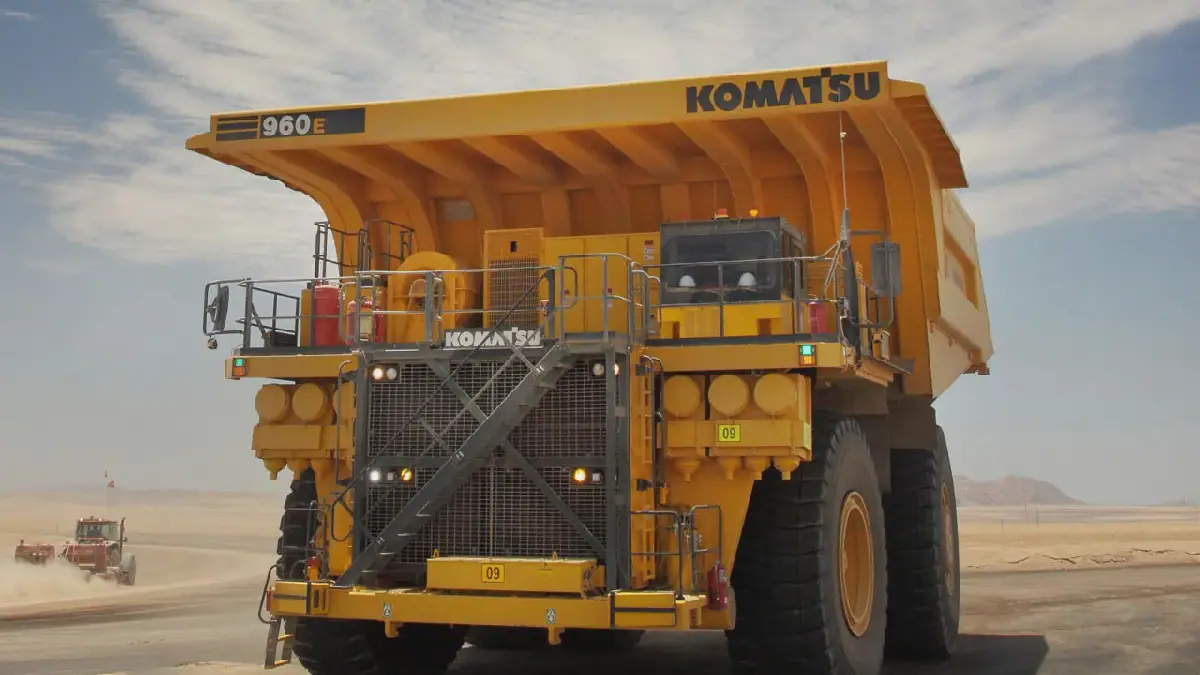
The scale of the diesel price increase can be illustrated by haul trucks operating at the Husab uranium mine near Swakopmund. A Komatsu 960E haul truck consumes approximately 5,500 litres of diesel over three shifts in 24 hours. At February's diesel price, 5,500 litres would have cost N$107,965 a day, while at November's price, the same quantity would cost N$169,730, an increase of N$61,765 per truck daily.
The government is absorbing part of the fuel price shock through the National Energy Fund. Industries, mines, and energy minister Modestus Amutse said the fund was expected to pay approximately N$384 million to cover October's fuel under-recoveries. Even after November's increases, the fund will absorb approximately 81 cents per litre of petrol and between 52 and 53 cents per litre of diesel, helping to mitigate the impact of higher pump prices on consumers.
Key points
- Diesel price hikes put pressure on Namibia's mining sector, affecting jobs, profits, and government tax revenue.
- The mining sector is a significant contributor to Namibia's tax revenue, and the price hike may affect company profits, investment, employment, and government revenue.
- The government is absorbing part of the fuel price shock through the National Energy Fund.