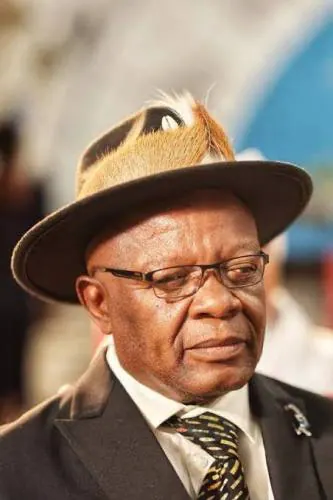
Otjozondjupa governor John Julius //Khamuseb has urged the government to allocate more funds to education infrastructure development, citing the current 10% allocation as insufficient. Speaking at the National ICT in Education Convention and Exhibition (NICE2026) in Otjiwarongo, //Khamuseb emphasized the need for additional funding for classrooms, infrastructure, and technology. He suggested that the government consider cutting allocations from other ministries to strengthen education, without affecting teachers' salaries.
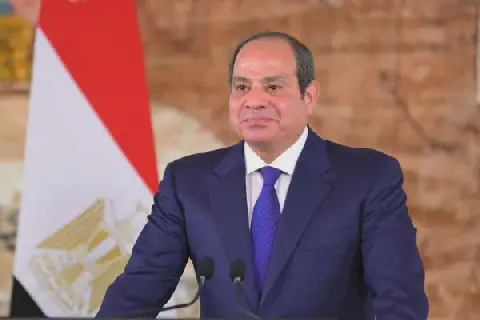
The governor's comments come as the government pushes for a major digital transformation of the education sector. Deputy education minister Dino Ballotti reported that education received N$28 billion in the current national budget, accounting for 32% of the N$87.9 billion budget after interest repayments. However, less than N$1 billion was allocated to development and capital expenditure, which Ballotti described as 3.3% of the budget.
Ballotti questioned whether simply asking the treasury for more money was enough, pointing to the structure of the education budget. He noted that Angola allocates about 9% of its budget to education, while South Africa allocates approximately 17%. Ballotti emphasized that Namibia's challenge was not only about the amount allocated to education but also about where the money was being spent.
The government targets a sharp expansion in digital access under the Sixth National Development Plan, aiming to increase access to digital technologies from 28% to 70% by 2030 and national internet usage from 53% to 90%. However, Ballotti identified five major obstacles to fully digitizing education, including unstable internet bandwidth, high data and hardware maintenance costs, unequal digital literacy among teachers and learners, and funding pressures.
Both //Khamuseb and Ballotti stressed the importance of a strong foundation in basic educational skills before technology can significantly improve education. //Khamuseb warned against putting technology ahead of basic skills, citing the example of the United States, where children lacked basic arithmetic and reading skills during the computer technology era. Ballotti emphasized that digital education can help leapfrog certain stages of technological development but not the basic conditions necessary for learning.
The government is moving ahead with plans to expand digital learning, including digitizing curriculum content, equipping teachers with digital teaching skills, and deploying off-grid solar-powered technology to rural schools. Ballotti said the country aims to provide equal digital learning opportunities to learners in rural areas, such as Otjozondjupa and Kunene, as those in Windhoek.
Otjiwarongo mayor Leonard Simushi warned that the digital push must not create another layer of inequality, calling for technology to reach learners in remote communities, learners with disabilities, and schools facing infrastructure and connectivity challenges. Ballotti emphasized the need for long-term partnerships with telecommunications companies, academia, private industry, and international partners to achieve the government's digital education targets.
Key points
- Otjozondjupa governor John Julius //Khamuseb calls for increased education budget
- Government targets 70% digital access by 2030
- Officials stress need for basic educational skills before technology implementation