Nairobi County is seeking a private partner to build and operate a hazardous waste plant capable of handling up to 80 tonnes of waste daily. The proposed facility, submitted by US-based Satarem America Inc., aims to improve the handling of medical and hazardous waste generated by health facilities across Nairobi. The plant would start with a capacity to treat 60-80 tonnes daily, increasing to 100 tonnes.
The county produces an estimated 30-40 tonnes of medical and hazardous waste daily, currently handled across 17 sub-counties. The proposed facility would bring treatment services together, providing a dedicated system for dealing with potentially dangerous waste. Satarem America submitted the proposal on November 10, 2025, and the county is committed to safe, sustainable, and compliant management of medical and hazardous waste.
The proposed project would be carried out through a Design, Build, Finance, Operate and Transfer (DBFOT)/Build-Operate-Transfer (BOT) arrangement. Satarem America would finance and construct the facility, then operate and maintain it for 10 years before transferring it to Nairobi County at no cost. The plant would feature various treatment systems, including autoclave sterilisation, high-temperature pyrolytic combustion, and wastewater treatment.
The facility would be fitted with a solar-grid hybrid system for power and flue-gas treatment technology to control emissions. The county requires the project to meet environmental and health standards set under the Environmental Management and Co-ordination Act (EMCA) and World Health Organisation guidelines. Once operational, the facility would cater to over 135 public health facilities managed by Nairobi County.
Private and faith-based hospitals in Nairobi and neighbouring counties could also access the facility's services through subscriptions. The project is expected to generate 300 direct jobs and 600 indirect jobs, creating opportunities for local skills transfer. Satarem America has proposed donating solar power systems to selected health facilities as part of its corporate social responsibility programme.
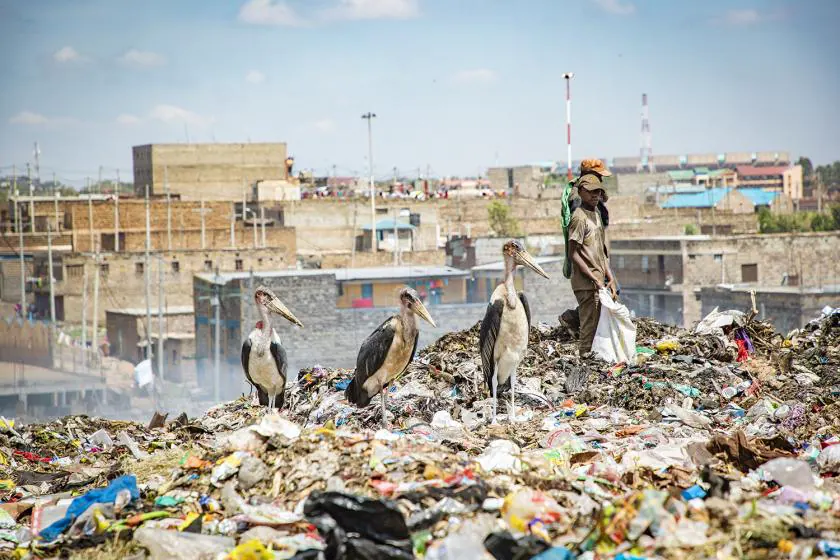
The proposed donations would require approval, and the county's proposal will not proceed directly to construction without passing through the full Public Private Partnerships (PPP) process. This involves evaluation, project development, negotiations, stakeholder engagement, and required approvals. The facility comes amid Nairobi's wider waste disposal challenges, including pressure on the Dandora dumpsite.
The Dandora dumpsite receives domestic and commercial waste from the city, highlighting the need for improved waste management. The county's efforts aim to address these challenges and provide a sustainable solution for hazardous waste management. The project is expected to have a positive impact on the environment and public health in Nairobi.
Key points
- Nairobi County seeks private partner for 80-tonne hazardous waste plant
- Proposed facility aims to improve handling of medical and hazardous waste
- Project expected to generate 900 jobs and create opportunities for local skills transfer