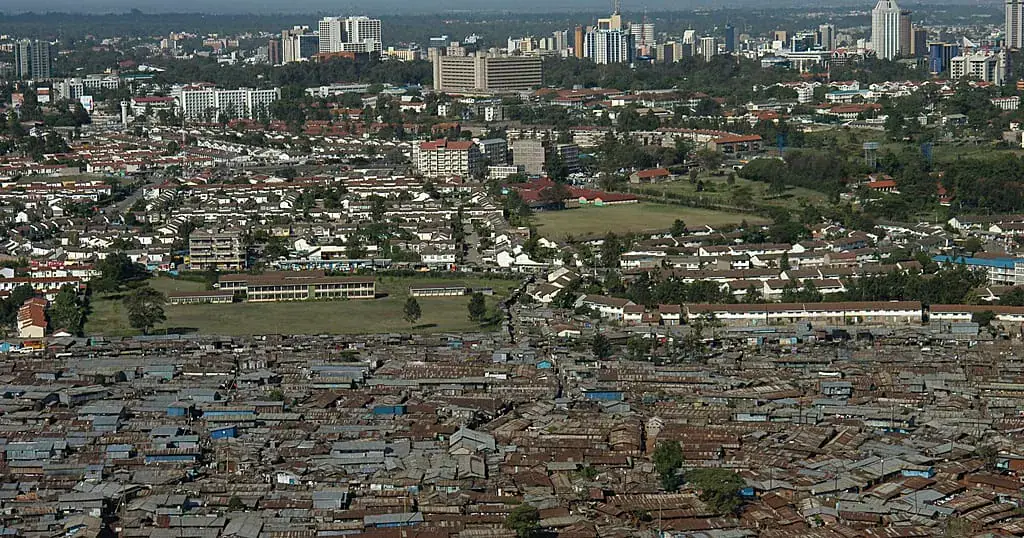
Nairobi, Kenya's capital, is experiencing a construction boom driven by population growth, with the city's population expanding rapidly over the last decade. The construction sector grew by 6.8% in 2025, up from 0.7% the previous year, according to Kenya's Treasury. This growth has led to an increase in private building completions, with 25,090 reported in 2025. As a result, trees are being felled to make way for new infrastructure, including a bigger road.
The impact of Nairobi's rapid urbanisation extends beyond the loss of greenery, affecting the habitats and behaviour of the city's wildlife. The marabou stork, a common sight in Nairobi, has adapted to the changing surroundings by perching and building nests on billboards and buildings. Ornithologist John Musina notes that the presence of birds and their population in an urban area are a good indicator of its environmental health. The number of birds in an urban setting is a good indicator of how the environmental health of that urban city is.
Architect and Sustainability Practitioner Nickson Otieno explains that Nairobi's growth requires careful planning to balance development with conservation. He notes that the city needs to make deliberate decisions about preserving biodiversity and trees in areas zoned for development. Otieno suggests that areas with conserved zones or gazetted areas should be retained for their original purpose, while areas zoned for development should consider preserving some trees or biodiversity.
Environmental law advocate Kelvin Kubai believes that Nairobi is already losing its green character due to the actions of over-ambitious developers who do not see the value in preserving trees. Kubai notes that there is a disconnect between understanding the importance of trees as a significant characteristic of the city and the need to clear them for development. He argues that trees have been a part of Nairobi's identity for a long time and should be preserved.
In recent months, street protests and legal proceedings have challenged several government-led development projects in Nairobi. On October 27, 2026, the Nairobi-based Environment and Land Court issued conservatory orders halting construction of a proposed car park at Nairobi National Park. The orders followed a lawsuit filed by 4,642 activists opposing the project. However, many other public and private development projects are still underway, with trees continuing to be felled in different parts of the city.
Once celebrated as the 'Green City in the Sun', Nairobi is now facing questions over whether it can retain that identity amid rapid urban development. The city's residents and environmental advocates are pushing for a balance between development and conservation. As the city continues to grow, it remains to be seen whether Nairobi can preserve its green character and find a way to reconcile development with environmental sustainability.
The debate over Nairobi's development and environmental sustainability is ongoing, with various stakeholders weighing in on the issue. As the city looks to the future, it will be important for residents, developers, and government officials to work together to find a solution that balances economic growth with environmental protection. This will require careful planning, collaboration, and a commitment to preserving the city's unique character.
Key points
- Nairobi's construction boom is driving tree loss and threatening its 'Green City in the Sun' identity.
- The city's rapid urbanisation is affecting the habitats and behaviour of its wildlife, including the marabou stork.
- Environmental advocates are pushing for a balance between development and conservation to preserve Nairobi's green character.