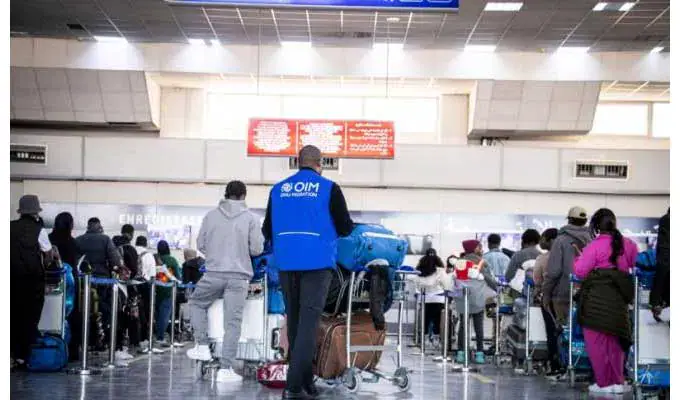
The Tunisian government has reported a substantial rise in the number of irregular migrants who have benefited from the country's voluntary return program. As of November 2026, a total of 27,342 migrants have taken advantage of the program, compared to just 976 in 2021. This information was provided by Minister of Foreign Affairs, Migration, and Tunisians Abroad, Mohamed Ali Nafti, during a plenary session of parliament.
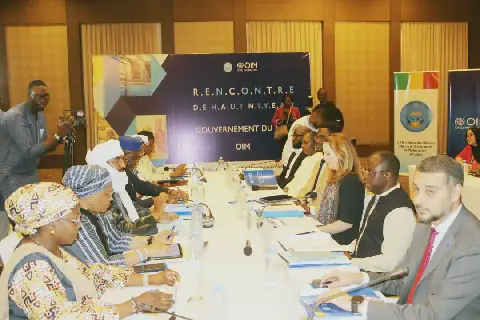
The program is a collaborative effort between the Tunisian government and the International Organization for Migration (IOM). Minister Nafti emphasized that his ministry coordinates daily with the IOM's representation in Tunisia to implement the voluntary return programs. The government has also intensified its awareness-raising efforts and accelerated return operations, making it easier for migrants to obtain travel documents and access specific funding.
Despite the progress made, Minister Nafti noted a slowdown in the pace of voluntary returns during the first few months of 2026. He attributed this decline to a decrease in the number of migrants eligible for the program, difficulties in coordinating with countries of origin, and delays in obtaining transit permits from these countries. Other administrative and formal procedures also contributed to the slowdown.
The Tunisian government is committed to addressing the issue of irregular migration through a multi-faceted approach. Minister Nafti stressed the importance of balancing efforts to combat irregular migration with the facilitation of regular migration channels, particularly with European partners. These partners are crucial to Tunisia's economy, and many migrants seek to travel to these countries.
Tunisia's approach to irregular migration emphasizes the need for structural solutions that address the root causes of the phenomenon. Minister Nafti advocated for a development-based approach that creates jobs and respects the rights of migrants, while also combating human trafficking. The government is working to mobilize funding and technical support from countries such as Italy, Switzerland, and Denmark to strengthen its capacity to address irregular migration.
The Tunisian government is also working to improve its infrastructure and equipment to better manage migration. The minister reported that his ministry is coordinating with the Ministry of Health and the IOM to monitor the health of migrants. Additionally, the government is seeking to enhance investments from European countries in Tunisia and countries of origin to address the economic drivers of irregular migration.
The voluntary return program is just one aspect of Tunisia's broader strategy to address irregular migration. The government continues to work with international partners to develop comprehensive solutions to this complex issue. By addressing the root causes of migration and providing support to migrants, Tunisia aims to reduce the flow of irregular migrants and promote safer, more orderly migration channels.
Key points
- The Tunisian government's voluntary return program for irregular migrants has seen a significant increase in beneficiaries, with 27,342 migrants taking advantage of the program as of November 2026.
- The program is a collaborative effort between the Tunisian government and the International Organization for Migration (IOM).
- The Tunisian government is committed to addressing the issue of irregular migration through a multi-faceted approach that balances efforts to combat irregular migration with the facilitation of regular migration channels.