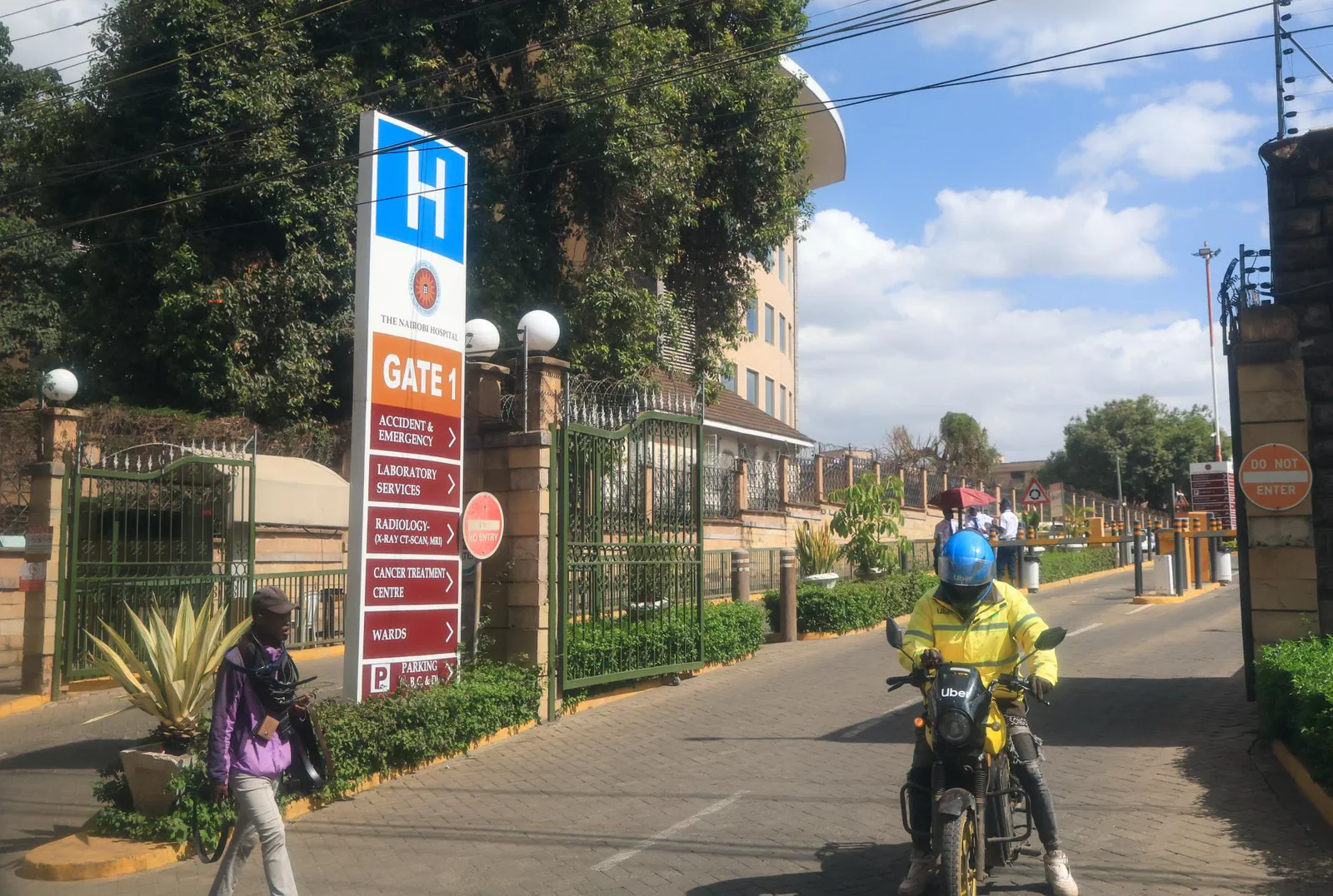
Staff at The Nairobi Hospital are being traced after a patient was confirmed to have Ebola Virus Disease. The patient was recently managed at the facility, prompting the hospital to escalate infection prevention and control measures. An internal memorandum dated October 6, from CEO Felix Osano, stated that the Ministry of Health had formally announced the case as Kenya's first confirmed imported case of Ebola.
The hospital has begun contact tracing with the Ministry of Health and national public health authorities to establish who may have been exposed and grade each person's level of risk. Employees who had relevant contact with the patient will be contacted individually and followed up under Ministry of Health protocols. Healthcare workers and others who interacted directly with the patient have been identified and documented.
The hospital is reviewing the patient's movement through the facility from the point of presentation through subsequent care. The memorandum states that working in the hospital, being in the same department, or being in the general vicinity of the patient does not by itself amount to exposure. Risk depends on the nature of the interaction, the procedures carried out, and whether protective equipment was used correctly.
CEO Felix Osano described the tracing exercise as the hospital's central task. "Our objective is clear: to identify every potentially significant exposure, interrupt any possible chain of transmission and protect our staff, patients, families and the wider community," he wrote. The hospital has tightened several routines, including greater use of personal protective equipment, strict hand hygiene, and cleaning and decontamination of the environment.
The hospital has also reinforced screening at the Accident and Emergency Department and other entry points. Staff there have been asked to weigh travel history and epidemiological risk, recognise suspected cases early, and isolate them immediately. Any PPE breach, splash, sharps injury, or unprotected exposure to blood or other body fluids must be reported at once for assessment.
The hospital has cautioned employees against sharing photographs, laboratory reports, clinical records, or information that could identify the patient through WhatsApp, social media, or other unofficial channels. Ebola spreads mainly through direct contact with the blood or other body fluids of an infected person showing symptoms, or with contaminated materials.
The hospital remains on heightened alert and will keep working with the Ministry of Health and other agencies. The patient's identity, nationality, travel history, condition, and location have not been disclosed, and the number of staff or other people potentially exposed has not been made public. The exact dates of treatment and confirmation were also not stated.
Key points
- The Nairobi Hospital is tracing staff who may have been exposed to a patient confirmed to have Ebola Virus Disease.
- The hospital has implemented stricter infection control measures, including greater use of personal protective equipment and enhanced screening.
- The patient's identity and other details have not been disclosed, and the number of potentially exposed individuals remains unknown.