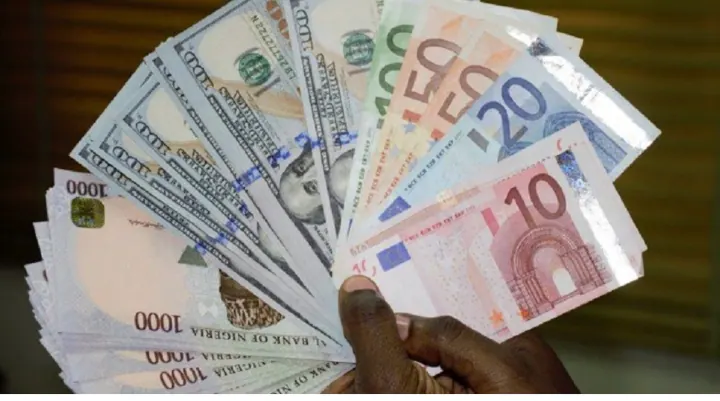
The Nigerian naira has made a significant gain against the euro, falling below N1,500 to one euro for the first time since April 2024. According to the Central Bank of Nigeria, the naira closed at N1,497 to the euro, breaking the N1,500 level that had remained a key threshold in the foreign exchange market. This development is a welcome respite for the naira, which had traded at less than N1,000 to the euro for much of 2023.
The naira's recent gain against the euro is partly linked to the euro's weakness against the US dollar in the international foreign exchange market. Since the naira has remained relatively stable against the dollar, a weaker euro automatically makes the naira stronger against the European currency. The euro has fallen to its weakest level since May 2025 as investors become increasingly concerned about political and fiscal problems in the Eurozone.
The Central Bank of Nigeria's foreign exchange reforms, tighter monetary policy, and improved transparency in the official FX market have also helped reduce speculative demand for foreign currency. These measures have contributed to the naira's stability and recent appreciation against the euro. Additionally, increased domestic oil refining, particularly the Dangote Refinery, has reduced Nigeria's need to spend foreign exchange on importing petroleum products.
Strong agricultural exports and relatively high crude oil prices have also supported Nigeria's foreign exchange earnings. The stability of the naira has been further supported by CBN interventions in the foreign exchange market and relatively strong foreign reserves. The gap between the official and parallel market exchange rates has also narrowed, with the US dollar currently trading between N1,370 and N1,390 in the parallel market.
The naira had traded at less than N1,000 to the euro for much of 2023. However, following foreign exchange market reforms and the devaluation of the naira in 2024, the exchange rate rose above N1,500 and reached about N1,800 to the euro at its peak. The euro to naira exchange rate has since declined steadily, falling from about N1,684 late last year to N1,497.
Concerns over political developments in Spain and France have added to pressure on the euro. Investors are also worried about the political situation in France ahead of its upcoming election. The weakness of the euro in global markets has contributed significantly to the naira's recent appreciation against the European currency.
The naira has also remained relatively stable against the US dollar in the official market, trading between N1,327 and N1,330 to the dollar. This stability is a positive development for the Nigerian economy, which has been facing challenges in the foreign exchange market. The recent gain against the euro is a welcome development for the naira, which has been under pressure in recent times.
Key points
- The naira's recent gain against the euro is partly linked to the euro's weakness against the US dollar in the international foreign exchange market.
- Central Bank of Nigeria's foreign exchange reforms, tighter monetary policy, and improved transparency in the official FX market have helped reduce speculative demand for foreign currency.
- Increased domestic oil refining and strong agricultural exports have supported Nigeria's foreign exchange earnings.