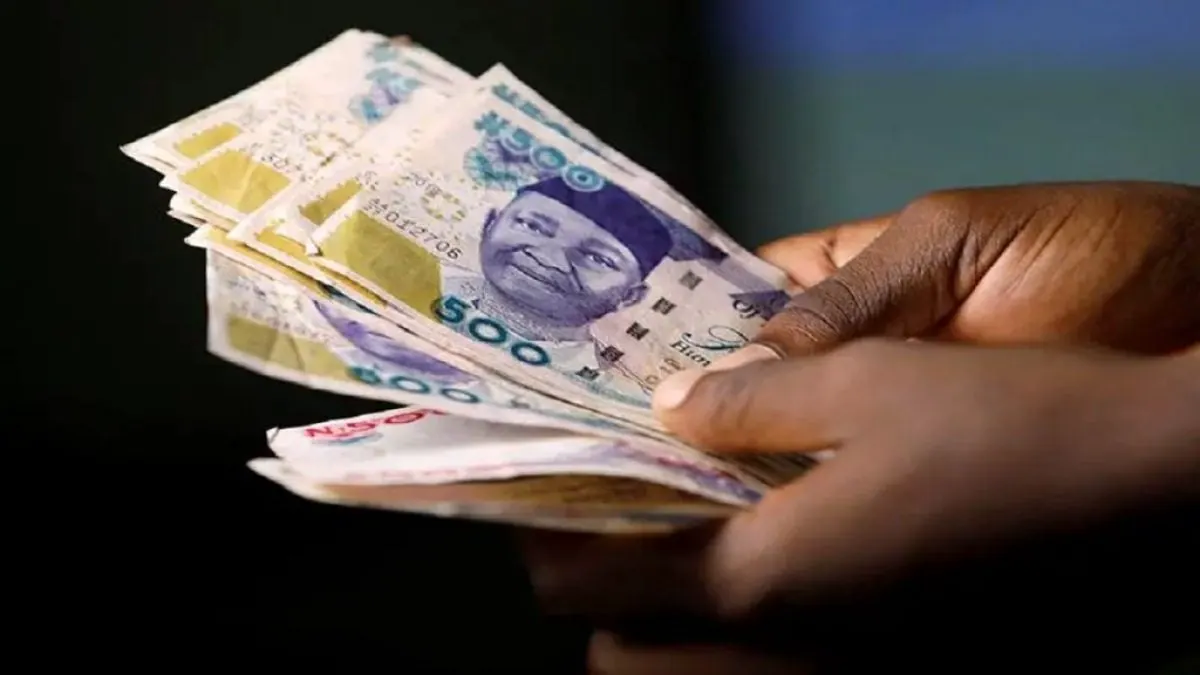
The Nigerian naira depreciated slightly against the United States dollar on Wednesday, September 23, 2026, at the Central Bank of Nigeria's official foreign exchange window. According to data on the CBN's official platform, the naira traded at a Nigerian Foreign Exchange Market rate of N1,328.4974 per dollar and closed at N1,328.0000 per dollar. This represents a slight depreciation from the previous day's rate of N1,327.7784 per dollar.
The depreciation of the naira was recorded after trading activities on Wednesday, with the currency experiencing a decline of at least N0.72. At the parallel market, also known as the black market, the buying rate of the naira remained the same, while the selling rate increased by N2 compared to the previous trading rate on Tuesday, September 22, 2026.
According to Aboki FX, a source for black market exchange rates, the naira-to-dollar exchange rate on Wednesday, September 23, 2026, was N1,382 and N1,387 per dollar for buying and selling rates, respectively. This indicates a relatively stable rate at the parallel market, with a slight increase in the selling rate.
The official foreign exchange market, operated by the Central Bank of Nigeria, is a key platform for foreign exchange transactions in the country. The CBN's official platform provides data on the naira's exchange rate against major currencies, including the US dollar. The data is widely used by businesses, investors, and individuals to track the performance of the naira.
The Nigerian Foreign Exchange Market, where the naira's official exchange rate is determined, is a critical component of the country's foreign exchange system. The market allows for the trading of foreign currencies, including the US dollar, and provides a platform for the CBN to intervene in the market to stabilize the naira.
The depreciation of the naira against the US dollar has implications for the Nigerian economy, particularly for businesses and individuals that engage in international trade. A weaker naira can increase the cost of imports, which may lead to higher prices for goods and services in the country.
The Central Bank of Nigeria, as the country's apex bank, plays a crucial role in managing the foreign exchange market and maintaining stability in the naira's exchange rate. The bank's interventions in the market, including the sale of foreign currencies to authorized dealers, help to regulate the supply of foreign exchange and stabilize the naira.
Key points
- The naira depreciated slightly against the US dollar at the official foreign exchange market on Wednesday, September 23, 2026, trading at N1,328.4974 per dollar.
- The parallel market exchange rate remained relatively stable, with a buying rate of N1,382 and a selling rate of N1,387 per dollar.
- The Central Bank of Nigeria continues to play a crucial role in managing the foreign exchange market and maintaining stability in the naira's exchange rate.