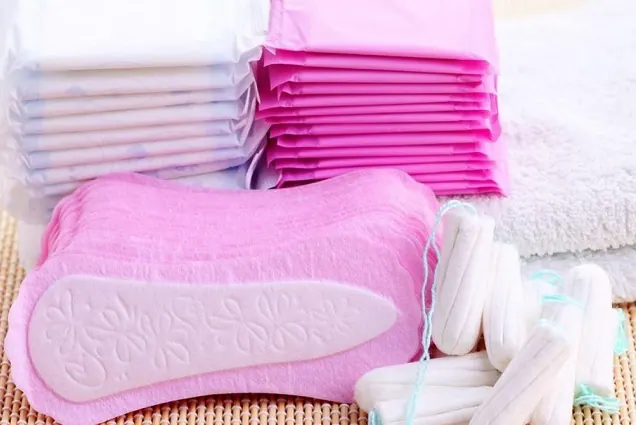
The National Agency for Food and Drug Administration and Control (NAFDAC) in Nigeria has started investigating the safety of disposable sanitary pads due to concerns over potentially harmful chemicals. This move follows a 2024 study by researchers from the Nigerian Defence Academy, which found volatile organic compounds (VOCs) in sanitary pads sold in Nigeria. The study analyzed 65 samples and detected 20 VOCs, prompting NAFDAC to assess VOCs in selected sanitary pads with valid marketing authorization.
NAFDAC is currently investigating a complaint involving a named sanitary pad, which has been sampled for laboratory evaluation. The agency conducts laboratory evaluations of disposable sanitary pad products submitted for regulatory approval and those sampled from post-market surveillance activities. Sanitary pads are classified as Class I medical devices and are subject to regulatory requirements covering registration, laboratory evaluation, manufacturing processes, and post-market surveillance.
According to NAFDAC, it uses the applicable Nigerian Industrial Standard, NIS 291, developed by the Standards Organisation of Nigeria (SON), in evaluating disposable sanitary pads. The agency also requires manufacturers to meet applicable quality-management requirements, while product labelling is reviewed to ensure consumers receive information necessary for safe use. This process aims to ensure that sanitary pads available in the market are safe for use.
NAFDAC is assessing select registered products and reviewing the regulatory experience of countries, including South Korea, on monitoring and reducing VOCs in menstrual products. This assessment could lead to additional measures, including VOC testing and monitoring, restrictions on substances of regulatory concern, disclosure of fragrances and other relevant constituents, and stronger post-market surveillance. The agency emphasizes that any additional regulatory requirements would be based on scientific evidence, risk assessment, and consultation with relevant stakeholders.
The development follows renewed concerns on social media about the safety of sanitary pads, with some women reporting itching, burning sensations, and other reactions after using particular brands. NAFDAC has assured consumers that concerns involving menstrual health products would be assessed through scientific evidence, laboratory testing, and regulatory investigation. The agency's priority is to protect public health.
NAFDAC has rejected claims that it does not test sanitary pads, stating that it conducts laboratory evaluations of products submitted for regulatory approval and those sampled from post-market surveillance activities. The agency added that registered sanitary pads listed in its Greenbook remain subject to regulatory monitoring throughout their life cycle. NAFDAC is reviewing emerging scientific evidence on menstrual products and would strengthen its regulatory framework where necessary.
The investigation and potential regulatory changes aim to address safety concerns and ensure that sanitary pads available in Nigeria meet necessary safety standards. NAFDAC's efforts are focused on protecting public health and providing consumers with safe menstrual products. The agency will continue to monitor and regulate sanitary pads to prevent potential health risks associated with their use.
Key points
- NAFDAC begins testing sanitary pads for volatile compounds amid safety concerns
- The agency conducts laboratory evaluations of disposable sanitary pad products submitted for regulatory approval
- NAFDAC assesses select registered products and reviews regulatory experience of countries on monitoring and reducing VOCs in menstrual products