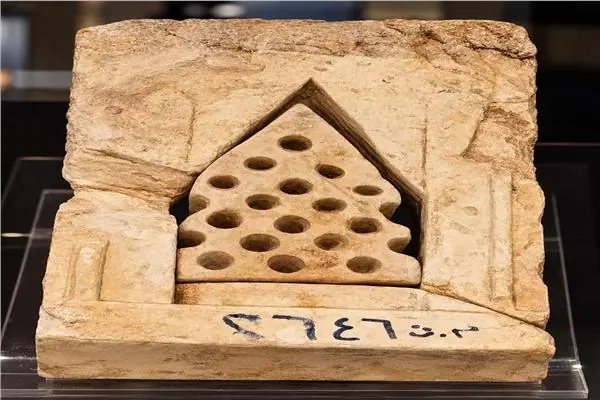
In the Egyptian Museum in Cairo, a small limestone window model is on display, offering a glimpse into the daily life and strategic planning of ancient Egypt. The model, showcased in hall 13, may appear to be a simple architectural element, but it reveals the intersection of functionality and defensive needs in ancient Egyptian architecture. This small piece provides valuable information about the country's approach to security and surveillance.
The window model demonstrates how ancient Egyptians designed their structures with both practical and defensive considerations in mind. In fortified buildings, architectural features like windows and passageways were carefully planned to ensure protection, surveillance, and control of movement. The model's design allows for the passage of light and air while enabling the monitoring of the surrounding area, highlighting the blend of architectural and defensive functions.
The significance of this artifact lies in its connection to the eastern Delta region, a historically strategic area due to its proximity to Egypt's eastern borders. This region was a crucial entry point into the country, with roads from the east passing through it, making it essential to have a robust defense system in place. The presence of fortified structures and roads in this area underscores the importance of securing key locations.
The window model is linked to the archaeological site of Tell el-Maskhuta, located in the eastern Delta region. This site is associated with a network of historical roads that connected Egypt to eastern regions. The discovery of this architectural model in this context adds depth to our understanding of ancient Egyptian urban and military planning, highlighting the value of studying smaller artifacts to gain a broader understanding of historical contexts.
The model dates back to the Late Period, a time of significant political and military developments in Egypt. During this era, the country's borders required enhanced security measures, leading to the construction of fortified structures and strategic planning. The study of such artifacts provides valuable insights into the details of ancient Egyptian defensive strategies and urban planning.
The limestone material used to create the window model is noteworthy, as limestone was a widely used building material in ancient Egypt. The durability of limestone allowed for the preservation of intricate design details, offering researchers and visitors a clearer understanding of ancient Egyptian architectural features and construction techniques.
This small artifact not only sheds light on ancient Egyptian defensive architecture but also provides a glimpse into the lives of soldiers and individuals who used these structures. The design of the window reflects the relationship between the building, its occupants, and its defensive functions, demonstrating that even minor architectural elements played a crucial role in the overall security and functionality of a structure.
Key points
- The limestone window model showcases the intersection of functionality and defensive needs in ancient Egyptian architecture.
- The artifact's connection to the eastern Delta region highlights the strategic importance of this area in ancient Egypt's defense system.
- The model provides insights into the urban and military planning of ancient Egypt, demonstrating the value of studying smaller artifacts to gain a broader understanding of historical contexts.