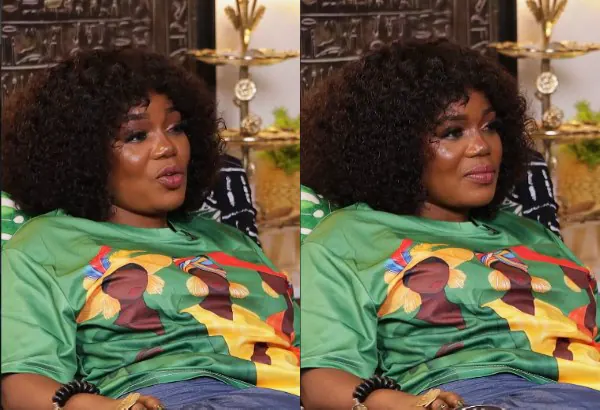
Ghanaian highlife musician Mzbel has spoken out about her experience with armed robbery and rape, revealing that media coverage of the incident led to her being blamed rather than supported as a victim. In an interview with Kafui Dey, Mzbel recounted the attack, which occurred while she and colleagues were rehearsing at her home. She believes the media's focus on her public figure and clothing choices at the time contributed to the public's negative reaction.
According to Mzbel, reports at the time highlighted how she and her colleagues were dressed during the rehearsal, framing it as the reason the attackers targeted her house. Neighbors reportedly criticized her, saying that her wall was short and allowed passersby to see her and her colleagues wearing short skirts and pants. Mzbel expressed frustration that the media's coverage shifted the blame from the perpetrators to her.
Mzbel believes that her status as a public figure contributed to the widespread media coverage of the incident. She suggests that a less prominent victim might not have had their story told publicly. "Then, I was the news," she said. "Otherwise, things would have happened to me that nobody would know." Mzbel disputes the idea that clothing choices can justify an attack, emphasizing that nothing she or her colleagues wore warranted harm.
The incident involved multiple victims, with Mzbel disclosing that others in the house were also raped. Despite this, she received little public support, with many people criticizing her instead of sympathizing with her. Mzbel noted that only a small number of people came to her support after the incident. The media's tendency to reshape her story has repeatedly influenced how the public views her over the years.
Mzbel's account has reopened a conversation in Ghana about how local media cover attacks on women, particularly the practice of scrutinizing a victim's dress or conduct rather than focusing on the perpetrators. Rights advocates have criticized such coverage patterns, known as victim-blaming, for discouraging survivors from coming forward and shifting public sympathy away from those who have been attacked.
The interview is part of a larger conversation about Mzbel's experiences, including the personal and professional toll of her political affiliation with the National Democratic Congress (NDC). In a separate conversation with Kafui Dey, Mzbel said her NDC support had "caused more harm than good" to her career. No further statements, legal action, or advocacy plans have been announced.
Mzbel's story highlights the need for more sensitive and responsible media coverage of attacks on women in Ghana. By sharing her experience, she hopes to raise awareness about the issue and promote a more supportive environment for survivors of assault. The conversation around Mzbel's account is ongoing, with many calling for greater accountability and empathy in media reporting.
Key points
- Mzbel says media coverage of her rape ordeal blamed her for the attack, focusing on her clothing rather than the perpetrators.
- The incident involved multiple victims, with Mzbel disclosing that others in the house were also raped.
- Mzbel's account has reopened a conversation in Ghana about how local media cover attacks on women, particularly the practice of scrutinizing a victim's dress or conduct.