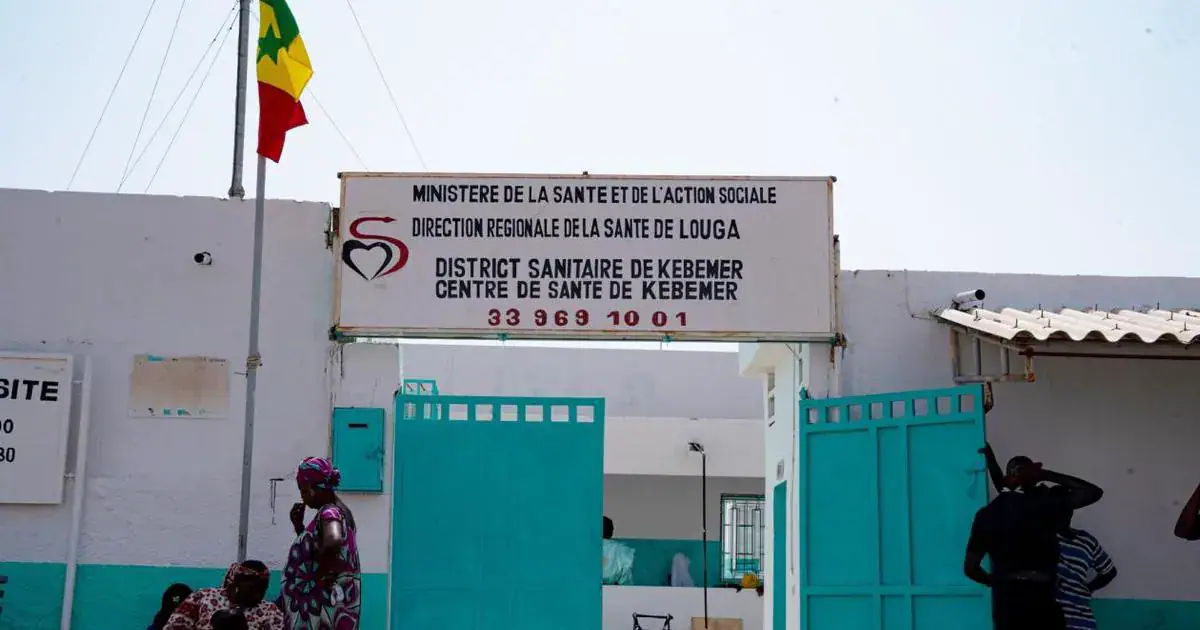
A mysterious illness has rapidly spread in Senegal's Kébémer region, with the number of cases increasing from 169 to 420 within a 72-hour period. The illness has also been reported in the nearby cities of Touba and Ngaye Mékhé, with 22 people infected. The rapid spread of the disease has put a strain on local healthcare facilities.
The director of the Louga regional health department, Dr. Moustapha Faye, announced the updated case count on November 5, 2026. He confirmed that the situation is critical, with hospitals and healthcare facilities saturated with patients. The patients are presenting symptoms such as high fever, abdominal pain, diarrhea, and vomiting.
The Kébémer health center, with a maximum capacity of 100 beds, is currently overwhelmed with 260 patients. The center's facilities are inadequate to handle the large number of patients, with some people being forced to lie on the floor or on makeshift mattresses. A protocol has been implemented to rotate patients in and out of the hospital to make room for new arrivals.
To alleviate the pressure on the healthcare system, authorities have been forced to activate emergency measures. The army and private sector have been requisitioned to provide additional healthcare facilities. An infirmary at a gendarme training center has been opened, and a private clinic has been requisitioned to accommodate more patients. Some patients have been transferred to nearby towns, including Diokoul.
Health officials believe that the spread of the illness may be linked to a large market in Kébémer, known as the "Louma". According to reports, 100% of patients have visited the market, where they may have consumed contaminated food or drinks. The market is a major hub for traders and transporters from neighboring regions, which may have contributed to the rapid spread of the disease.
The situation is being closely monitored by health authorities, who are working to contain the outbreak and provide adequate healthcare to those affected. The Senegalese government has convened an emergency meeting to discuss the situation and coordinate a response.
The mysterious illness has highlighted the need for improved healthcare infrastructure and emergency preparedness in Senegal. The government and international health organizations are working together to investigate the cause of the illness and provide support to those affected.
Key points
- The illness has infected 420 people in Kébémer, Touba, and Ngaye Mékhé within a 72-hour period.
- Local healthcare facilities are saturated, and emergency measures have been activated to accommodate the large number of patients.
- Health officials believe that the spread of the illness may be linked to a large market in Kébémer.