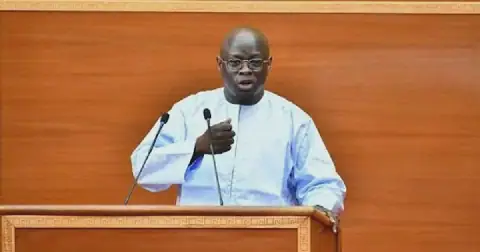
On November 2, Democratic Party leader Justin Muturi publicly criticized former Deputy President Rigathi Gachagua, accusing him of political bullying within the United Opposition. Muturi expressed concerns that Gachagua's tactics could undermine the opposition's chances of winning the presidency in 2027. He emphasized that the opposition's goal should be to build a broad national movement rather than focusing on individual interests.
Muturi questioned the effectiveness of Gachagua's push for tripartite political arrangements, suggesting that it may serve personal interests rather than the opposition's shared goals. He warned that prioritizing control of parliamentary seats and devolved units could weaken the opposition's overall presidential ambition. Muturi argued that securing State House requires a strategic approach that brings Kenyans together across ethnic and regional lines.
The former National Assembly Speaker reaffirmed the importance of coalition inclusivity, stating that no single leader or political community owns the United Opposition. He urged leaders to work together with mutual respect, rather than relying on ultimatums, intimidation, or displays of dominance. Muturi's comments highlight the challenges of building a cohesive opposition movement in Kenya.
Muturi challenged the assumption that a three-party alliance would automatically guarantee victory for the opposition's "Wantam" movement. He cautioned that reducing the 2027 presidential race to ethnic numbers, regional strongholds, and individual bargaining power could dash the hopes of millions of Kenyans seeking real change. Instead, Muturi emphasized the need for a shared presidential candidate and a cohesive national movement.
Muturi directed a clear challenge to his coalition partners, urging them to decide whether to build a united opposition or establish separate political strongholds. He cited the late Nderitu Gachagua's victory in the Nyeri gubernatorial race as an example of the complexity of political alliances. This outcome demonstrates that building a winning coalition demands sacrifice, discipline, and a commitment to a common goal.
The Democratic Party leader emphasized that Kenya is bigger than any one politician and that the party will stand firm against intimidation and attempts to compromise its core principles. He stressed that unity must not be sacrificed at the altar of individual political survival. Muturi's comments reflect the ongoing debates within Kenya's opposition about the best strategy for the 2027 presidential election.
As the 2027 presidential election approaches, Kenya's opposition faces challenges in building a cohesive movement. Muturi's criticism of Gachagua's approach highlights the tensions within the United Opposition. The outcome of these debates will likely shape the opposition's chances of success in the upcoming election.
Key points
- Muturi criticizes Gachagua's opposition strategy as potentially weakening the opposition's presidential ambition.