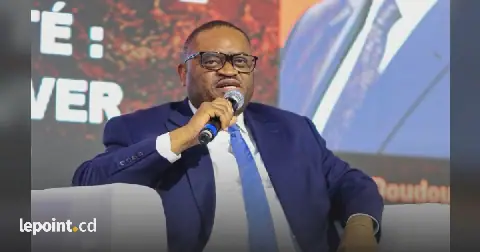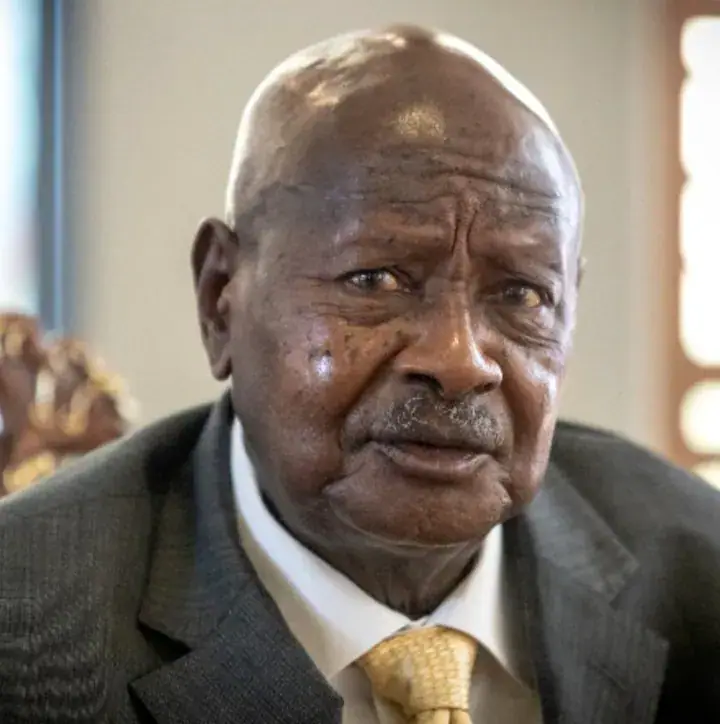
President Yoweri Kaguta Museveni has reportedly indicated to members of the National Resistance Movement's Central Executive Committee that he does not plan to contest the 2031 presidential election. This assertion was made by Prof. Waswa Balunywa during an appearance on the Deep Dive television programme. If accurate, this would mark a significant shift in Uganda's long-running succession debate, given Museveni's continuous hold on power since he led the National Resistance Army to victory in 1986.
Museveni, now in his early eighties, secured a seventh term in the January 2026 general election and was sworn in for a mandate running through 2031. Over the decades, he has overseen constitutional amendments that removed term and age limits, allowing him to remain eligible. Throughout his tenure, he has consistently framed leadership around capacity and institutional knowledge rather than chronological age, often stating that he would continue as long as he remained capable.
Recent public remarks by senior figures close to the presidency had reinforced expectations that he might seek yet another term, with some ministers asserting that unfinished work on poverty reduction, infrastructure, and anti-corruption efforts required his continued presence. However, the reported statement to the CEC comes against a backdrop of intensifying discussion within the ruling party about who will lead after 2031.
Museveni's son, General Muhoozi Kainerugaba, the Chief of Defence Forces, has openly declared his intention to contest the presidency in 2031. Supporters in the Patriotic League of Uganda have organised endorsement drives, and Muhoozi has stated on social media that he expects his father's backing. In October 2026, Museveni presented a paper on succession qualities to a CEC meeting at State House Entebbe, prompting speculation about whether the document amounted to an informal endorsement of his son.
Prof. Balunywa, the former long-serving principal of Makerere University Business School, has long been regarded as close to the president. Museveni previously intervened to extend Balunywa's tenure at the institution and has publicly praised his contributions to business education and institutional management. His appearance on Deep Dive, a programme known for extended political discussion, is cited by those circulating the claim as independent corroboration of what Museveni allegedly told the CEC.
The succession question has exposed internal tensions within the party. While Muhoozi's military background and mobilisation efforts give him visibility, some within the party have expressed reservations about his public style and readiness for civilian political leadership. At the same time, Museveni's longevity has created a structural challenge: the party has not cultivated a widely accepted alternative outside the first family.
A clear signal that Museveni will step aside in 2031 could reshape campaign planning, patronage networks, and the balance of power within the military and civilian structures of the state. Conversely, if the report proves overstated, the episode would illustrate how succession speculation routinely generates competing narratives inside and outside the party.
Key points
- President Museveni may not contest the 2031 presidential election.
- General Muhoozi Kainerugaba has openly declared his intention to contest the presidency in 2031.
- The succession debate has exposed internal tensions within the ruling party.