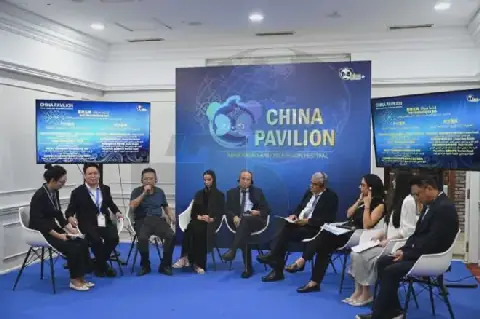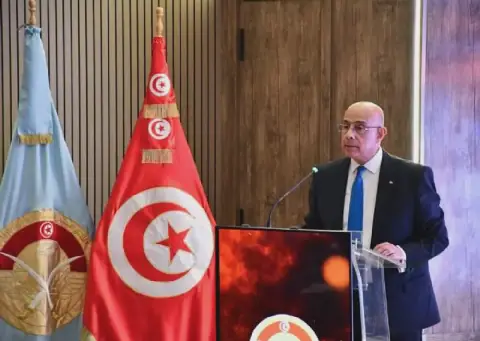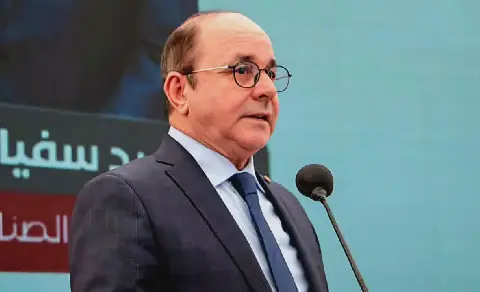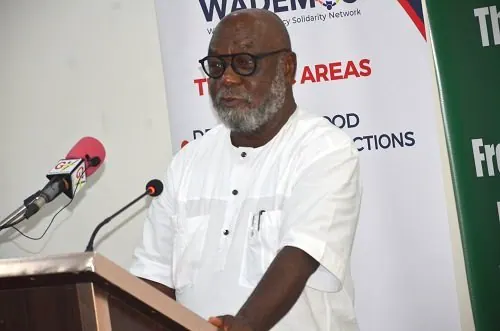
Ghana's Interior Minister, Muntaka Mohammed-Mubarak, has emphasized the need for stronger cross-border cooperation among West African countries to combat organised crime. This call comes as Ghana faces a growing cocaine and money laundering crisis, prompting Parliament to be recalled from recess. Muntaka made these remarks during a two-day regional workshop on cross-border cooperation frameworks in Accra, which was attended by representatives from Ghana, Benin, Côte d'Ivoire, and Togo.
The workshop was organised under the European Union-funded Strengthening and Harmonising Integrated Border Management Frameworks and Technical Expertise in West Africa project, known as SHIFT. The project aims to improve integrated border management and deepen coordination among participating states. Muntaka argued that stronger collaboration among the four countries is necessary to fight transnational organised crime and tighten border management, ensuring that migration across the sub-region remains safe, orderly, and regular.
The SHIFT project, valued at roughly €7.3 million, focuses on areas such as staff training, technical expertise, and coordination frameworks between immigration, police, customs, and other security agencies across participating states. Muntaka highlighted that criminal networks behind drug trafficking and other illicit activities do not recognise national boundaries, and that gaps in border controls or weak coordination among security agencies can facilitate the movement of drugs, illegal firearms, and trafficked persons.
Ghana is currently grappling with its own drug trafficking troubles, prompting the Minority in Parliament, led by Rev Ntim Fordjour, to secure enough signatures to force a parliamentary recall. This move follows a series of incidents, including the arrest of five people in a Tamale scrapyard raid where pistols and drugs were recovered, and a foiled bribery attempt linked to a drug truck bust in Abofu.
The stakes are high for ordinary Ghanaians, as millions rely on cross-border trade and travel for their livelihoods. Any tightening of border security carries the risk of slowing legitimate movement if not managed carefully. However, the risk of criminal networks exploiting weak border controls puts whole communities at risk, from illicit firearms and narcotics trade to human trafficking.
While the sources do not specify a date for the recalled Parliament to convene, or detail concrete follow-up actions expected from the SHIFT workshop, the initiative aims to promote regional cooperation and coordination. The project seeks to address the challenges posed by transnational organised crime and ensure that border management is effective, efficient, and responsive to the needs of the region.
The outcome of the SHIFT workshop and the recalled Parliament's actions will be crucial in determining the future of cross-border cooperation in West Africa and Ghana's response to its cocaine and money laundering crisis. The region's ability to manage its borders effectively and combat organised crime will depend on the success of such initiatives and the commitment of participating countries to work together to address these challenges.
Key points
- Muntaka Mohammed-Mubarak calls for tighter cross-border cooperation among West African countries to combat organised crime.
- The European Union-funded SHIFT project aims to improve integrated border management and deepen coordination among participating states.
- Ghana's Parliament is recalled to address a mounting cocaine and money laundering scandal.