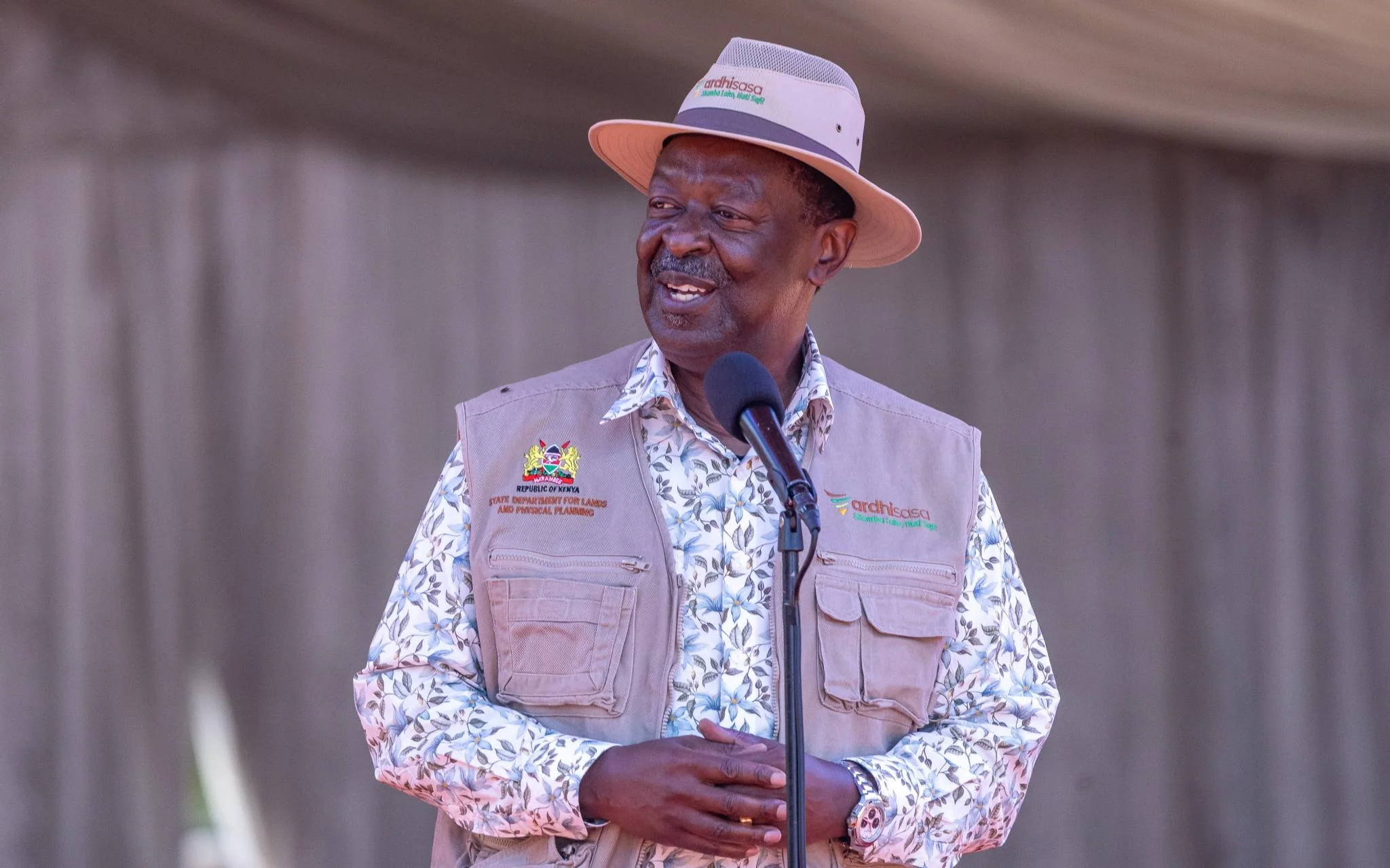
Prime Cabinet Secretary Musalia Mudavadi has hailed the planned Dangote East Africa Petroleum Refinery as a major investment in Kenya's oil industry, linking the project to regional trade, connectivity, peace, and Africa-led development. The Sh2.2 trillion refinery, set to be one of Africa's largest planned refineries, will have a capacity to process 700,000 barrels of crude oil per day. Speaking at the groundbreaking ceremony in Mokowe, Lamu County, Mudavadi emphasized the project's potential to strengthen economic links across the region.
The Dangote refinery is expected to be completed around 2030, with an estimated cost of between $16 billion and $17 billion. The project is being developed along the Lamu Port-South Sudan-Ethiopia Transport (LAPSSET) corridor, next to the deep-water Lamu Port. Its location will support the movement of crude oil into the facility and the export of refined petroleum products, helping Lamu grow into a wider industrial and logistics centre. The refinery's development is seen as a significant step towards Africa finding its own solutions to the continent's economic needs.
Once operational, the facility is expected to produce petrol, diesel, and aviation fuel, with projections showing it could produce more than 100 million litres of the three products each day. The project will also support the growth of a wider petrochemical industry, providing materials for manufacturers and other businesses that use petroleum-based products in their operations. This development is in line with Africa's effort to find its own solutions to the continent's economic needs, embodying African unity and shared aspirations.
The refinery is expected to create more than 60,000 jobs through the wider development, with about half projected to be skilled positions. The employment opportunities will extend beyond the refinery itself to areas such as construction, transport, logistics, hospitality, and manufacturing, providing opportunities for residents of Lamu and the wider Coast region. Early construction activity has already been reflected in the arrival of 2,930 metric tonnes of heavy construction machinery at Lamu Port.
However, Kenya's domestic oil production remains far below the planned refinery capacity, with output projected to reach about 50,000 barrels per day from 2032. This means the facility would need to obtain much of its crude from other countries and international markets. Despite this, Mudavadi credited President William Ruto for advancing the project and thanked Dangote for committing to the investment.
The development is taking place amid a land dispute involving residents of Chandavai, who have challenged the ownership and acquisition of part of the proposed site. A court has ordered that the existing situation on the disputed land be maintained as the case continues. Dangote has said the order will not stop the groundbreaking, although it could affect some activities at the site.
Mudavadi's remarks placed the refinery within a wider vision of African economic cooperation, with the project expected to strengthen Lamu's role in petroleum processing, logistics, and industrial activity while serving markets in Kenya and across East Africa. The project is seen as a key driver of regional trade, connectivity, and stability, with stronger trade and regional links helping build stability.
Key points
- The Dangote refinery will have a capacity to process 700,000 barrels of crude oil per day.
- The project is expected to create more than 60,000 jobs through the wider development.
- The refinery's development embodies African unity and shared aspirations, with Africa finding its own solutions to the continent's economic needs.