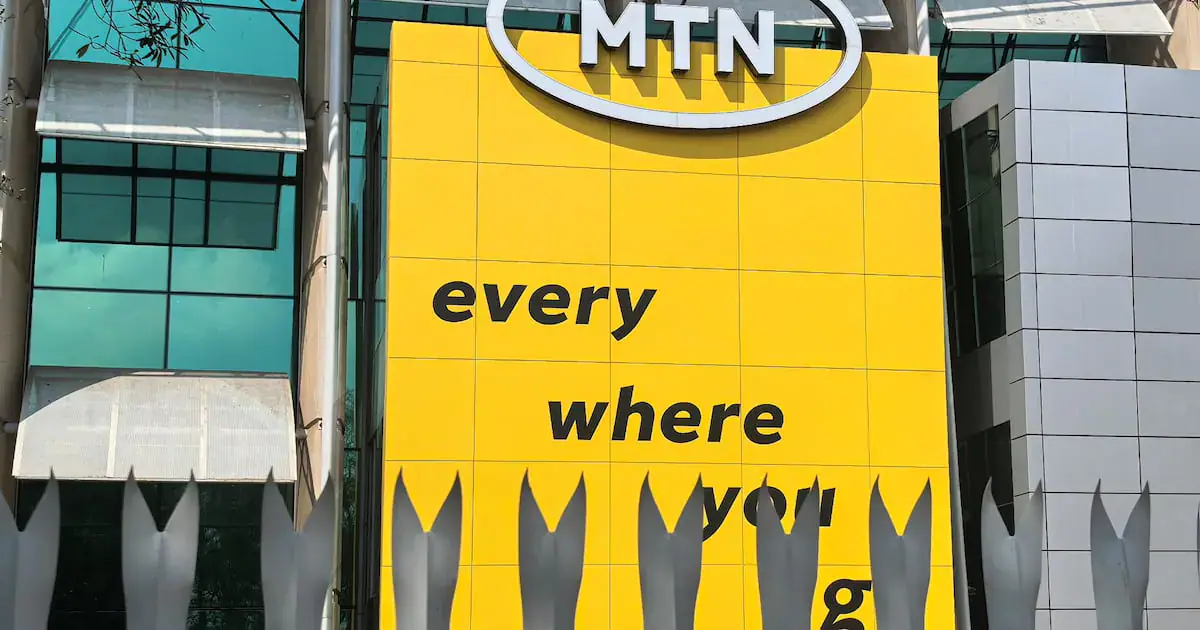
MTN and Cell C have reached a stalemate in talks to renew their long-standing network infrastructure-sharing agreement. Cell C, South Africa's fourth-largest mobile operator, has increasingly relied on roaming agreements with MTN and Vodacom in recent years. This strategic shift has allowed Cell C to offer its customers a better network experience, leveraging the larger infrastructure of its rivals.
Cell C's transition away from owning and operating its own network infrastructure began with a roaming agreement with MTN in May 2018 for 3G and 4G services in certain areas. The company has since reduced its tower count from 5,500 to having access to 29,000 towers through agreements with MTN and Vodacom. This change has enabled Cell C to ensure customer connectivity even in areas where it does not own towers.
The virtual provision of Cell C's radio access network through MTN's infrastructure started in January 2021 and was completed in mid-2023. Additionally, Cell C earns revenue from sharing its radio frequency spectrum with partners. Despite these developments, renewal talks between MTN and Cell C have stalled. MTN has stated that it will address the disputed matters through the mechanisms provided in their agreement.
MTN's third-quarter update revealed that the company had engaged extensively with Cell C on the terms of their commercial relationship but had not reached an agreement on certain matters. The update also highlighted that MTN South Africa's third quarter was its strongest earnings quarter of the year. Earnings before interest, tax, depreciation, and amortisation (ebitda) rose 7% year on year, with the ebitda margin expanding to 38.1%.
MTN South Africa's growth in consumer postpaid, enterprise, and wholesale was offset by prepaid, where the company prioritised the quality of its customer base over short-term volume. However, prepaid trends improved each month through the quarter, and data revenue growth accelerated to 6%. MTN expects affordability pressure and intense competition to persist through the rest of 2026.
To address these challenges, MTN aims to carry its third-quarter earnings and prepaid momentum into the fourth quarter through disciplined commercial execution and continued structural cost reduction. The company plans to focus on monetising rising data consumption, scaling home connectivity, and building on its resilient postpaid and enterprise businesses. MTN is also engaging with the Independent Communications Authority of South Africa on new regulations.
The amended End-User and Subscriber Service Charter regulations, set to take effect in January, aim to reduce the cost to communicate and impose new rules on data expiry. These changes pose a threat to revenue for local mobile operators. MTN will provide a further update on its negotiations with Cell C and its performance when appropriate.
Key points
- MTN and Cell C have reached an impasse in talks to renew their network infrastructure-sharing agreement.
- Cell C has shifted away from owning and operating its own network infrastructure in favour of roaming agreements with MTN and Vodacom.
- MTN's third-quarter ebitda rose 7% year on year, with the ebitda margin expanding to 38.1%.
Reporting sources
- The Sunday Times · The Sunday Times