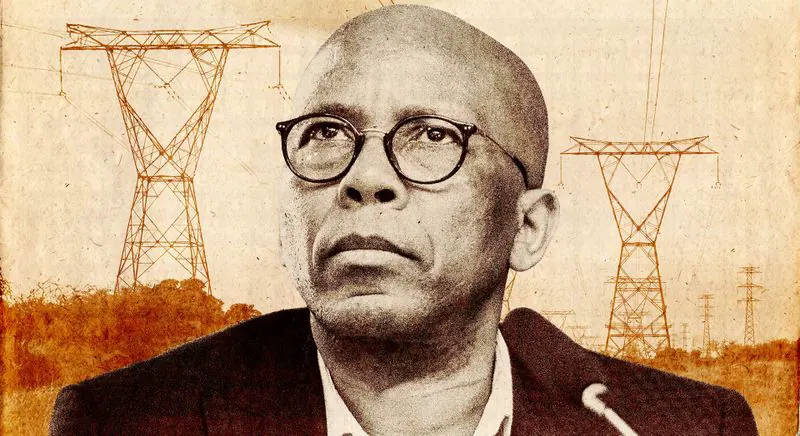
South African Electricity and Energy Minister Kgosientsho Ramokgopa has announced that Mteto Nyati will continue to serve as the chair of Eskom's board for another three years. This decision comes as the national power utility, Eskom, is taking steps towards its evolution into Eskom 2.0. Ramokgopa emphasized the importance of continuity in this process. The announcement was made on September 25, 2026.
The reappointment of Nyati as Eskom board chair occurs amidst a heated debate over electricity tariffs in South Africa. The National Energy Regulator of South Africa's (Nersa) Multi-Year Price Determination (MYPD6) court remittal and the implementation of the FY2026/27 retail electricity tariffs have sparked controversy. Historically, electricity utilities have bundled grid maintenance, capital infrastructure, and energy generation into a single volume-based rate. However, under Eskom's Retail Tariff Adjustment, fixed charges are being separated from variable consumption charges.
Minister Ramokgopa outlined his five core responsibilities for the energy sector, including universal access and price affordability, regional energy security, market unbundling and competition, economic transformation, and global and continental leadership. He aims to extend power grid lines to rural areas, expand off-grid solar, and establish 10-year price forecasts to keep tariff hikes in single digits. Ramokgopa also emphasized the need for a clear indication of the cost of primary energy, transportation, distribution, and ancillary activities in electricity bills.
The current electricity tariff structure includes a hidden tax on paying households, where about 1%-1.5% of the power bill goes towards paying for people and municipalities who do not pay their bills. Ramokgopa wants to outlaw this practice, considering it a double jeopardy for paying households. He also stressed that technical inefficiencies should not burden consumers, and utilities must fix their broken infrastructure instead of billing consumers for wasted energy.
Mteto Nyati, the reappointed Eskom board chair, emphasized that making electricity affordable is a top priority. He believes that opening up the electricity market to private competition will force prices down through open market pressure. Nyati also highlighted the importance of unbundling to lower operational costs and Eskom's ability to outperform newcomers due to its 103 years of experience.
As part of Eskom's strategy, the power utility is taking over billing and collections in struggling municipalities through special agreements and installing smart meters to isolate illegal connections. This move aims to ensure that municipalities collect closer to 100% of electricity tariffs owed. In December 2025, the Pretoria High Court sent Nersa's previous calculation of Eskom's power stations and grid assets back for recalculation.
To address calculation errors without shocking consumers, Nersa approved R54.734 billion in additional money for Eskom, split over several years. For the 2026/27 financial year, R12 billion was added, raising the price hike from 5.36% to 8.76%. With Nyati at the helm, Eskom will focus on executing a clear plan to achieve its goals, including making electricity affordable and getting a fair share of the renewable energy market.
Key points
- Mteto Nyati reappointed as Eskom board chair for another three years.
- Minister Ramokgopa aims to make electricity affordable and increase access to rural areas.
- Eskom to focus on unbundling, private competition, and renewable energy to drive down prices.