Iranian Foreign Minister Abbas Araghchi has stated that only a negotiated solution can end the conflict between the US and Iran. This statement comes after US President Donald Trump publicly rejected a proposal to reopen the Strait of Hormuz. The strait, a vital waterway through which around a fifth of the world's gas and oil supply usually flows, has been effectively closed since the outbreak of war in February. Araghchi acknowledged Trump's rejection and said Iran would wait for a definitive official US response.
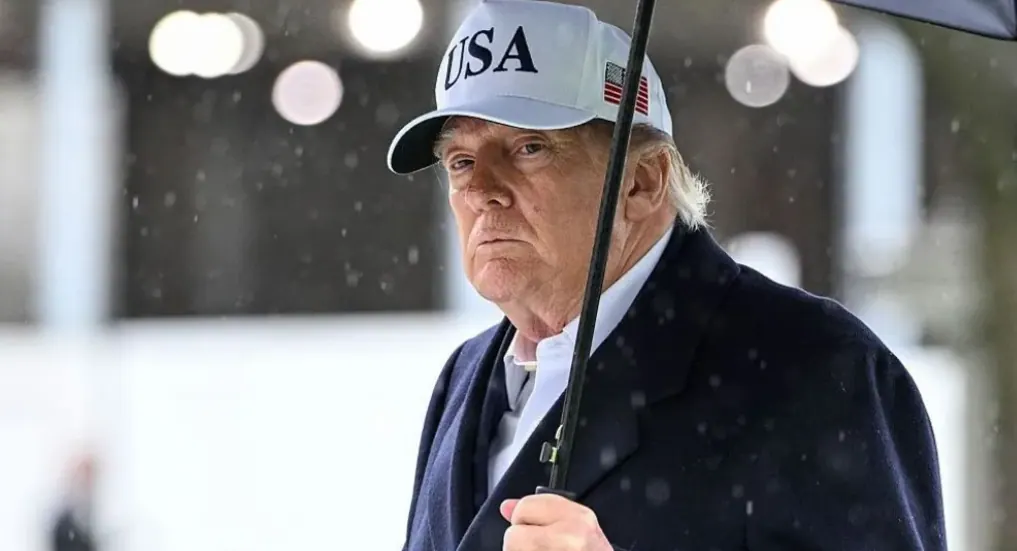
Trump had told reporters at the White House that Iran's proposal was not acceptable and that Tehran wanted to make a deal to open the strait to commercial shipping within seven days because they are losing so badly. He added that the US already had total control of the strait, with massive amounts of oil passing through it. This has caused massive rises in global oil prices and steep fuel cost increases for consumers. The US and Iran have been engaged in a tense standoff, with the US imposing sanctions on Iran and Iran responding with increased military activity.
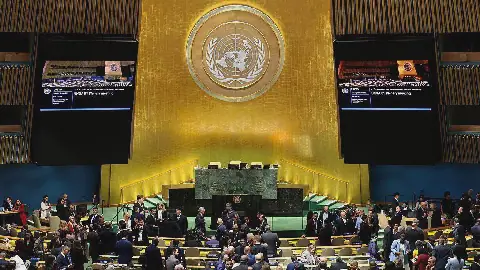
Araghchi said the conditions to open the strait were the same that had been included in a memorandum of understanding (MOU) between the US and Iran that was signed in June. He also noted that the president had made contradictory statements in the past. Iran had raised reopening the strait and ending hostilities during negotiations on the sidelines of the UN General Assembly in New York this past week. The two countries have been engaged in a war of words, with Iran's president telling Trump that it will never bend the knee.
The conflict between the US and Iran has been ongoing since February, with the US imposing sanctions on Iran and Iran responding with increased military activity. The G7 has called on Iran to end its arming of Houthis in Yemen. UN experts have also found reasonable grounds to believe that US strikes killed 177 civilians. The conflict has had significant impacts on the global economy, including rises in oil prices and increased fuel costs for consumers.
The US and Iran have held talks since June, after Trump's annihilation threat at the UN. These talks have been aimed at reducing tensions and finding a way to reopen the Strait of Hormuz. However, the two countries remain far apart, with Iran insisting on an end to US sanctions and the US demanding that Iran curb its military activity. The conflict has also had significant impacts on the global community, with many countries calling for restraint and diplomacy.
The situation remains volatile, with both sides dug in and unwilling to compromise. The US has banned some media outlets, including CNN and Politico, from White House access. The conflict has also had significant impacts on the global economy, including rises in oil prices and increased fuel costs for consumers. The international community remains concerned about the situation, with many countries calling for restraint and diplomacy.
The Iranian minister's statement emphasizes the need for negotiation to resolve the conflict. The US and Iran will need to find a way to compromise and work towards a negotiated solution. The conflict has had significant impacts on the global community, and a resolution is urgently needed. The situation remains volatile, and the international community remains concerned about the situation.
Key points
- Iranian Foreign Minister Abbas Araghchi says only a negotiated solution can end the conflict between the US and Iran.
- The conflict between the US and Iran has had significant impacts on the global economy, including rises in oil prices and increased fuel costs for consumers.
- The US and Iran have been engaged in a tense standoff, with the US imposing sanctions on Iran and Iran responding with increased military activity.