The global tourism industry is expected to experience record growth in 2026, with over 1.5 billion international tourists traveling abroad in 2025. According to the latest data from the United Nations World Tourism Organization, international tourist arrivals grew by 4% worldwide, matching the pre-pandemic average annual growth rate of 5% between 2009 and 2019. Europe remains the most visited region, with nearly 800 million tourists and a strong 6% growth rate.
Several countries are expected to experience rapid growth in tourism in 2026, including Ethiopia, Bhutan, and Brazil. Ethiopia saw a 15% increase in international tourist arrivals in 2025, contributing to an 8% growth rate in Africa. Bhutan, a small country in the Himalayas, reported a 30% increase in tourists, while Brazil experienced a 37% surge in international visitors. These countries offer unique cultural experiences and natural attractions that are drawing more tourists.
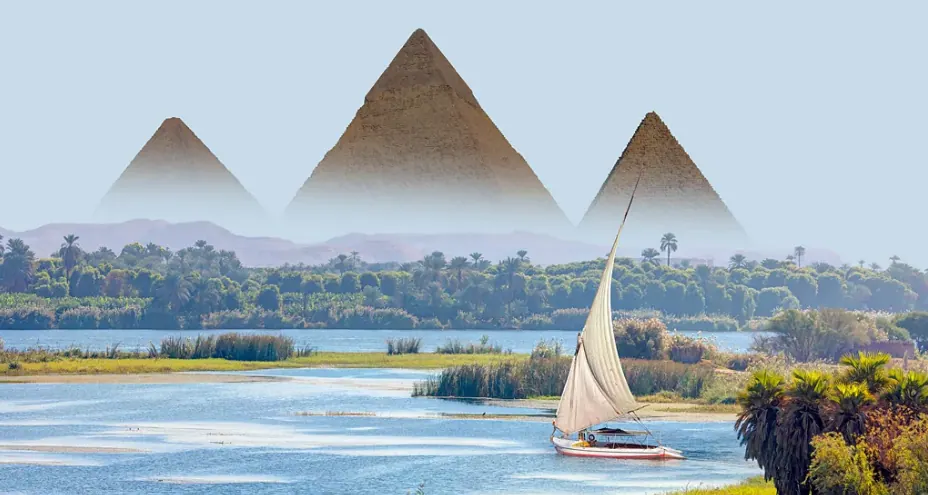
Egypt is also emerging as a top destination, with a 20% increase in international tourist arrivals in 2025. The country's tourism industry has been boosted by the opening of the Grand Egyptian Museum near the Pyramids of Giza. The museum's long-awaited opening has attracted many tourists who had previously delayed their visits. Tourism operators are promoting slower and more organized experiences, such as using traditional wooden boats on the Nile River.
The tourism industry is shifting towards more sustainable and responsible travel practices. In Brazil, tourism leaders are promoting visits to lesser-known destinations and encouraging tourists to engage with local communities. The country's tourism agency has launched initiatives to attract new international flights and promote off-the-beaten-path destinations. This approach aims to distribute tourism benefits more evenly and reduce the strain on popular destinations.
In addition to Egypt and Brazil, other countries are also investing in tourism infrastructure and marketing. The Brazilian tourism agency, Embratur, has partnered with airlines and airports to promote new routes and destinations. The country's tourism industry is expected to continue growing, driven by its rich cultural heritage, stunning natural beauty, and vibrant cities.
However, the rapid growth of tourism also poses challenges, such as managing large crowds and ensuring sustainable tourism practices. Destinations like Rio de Janeiro and Sao Paulo are popular among tourists, but there is a need to promote visits to other parts of the country. Tourism leaders are working to develop new strategies and initiatives to address these challenges and ensure that tourism benefits local communities.
As the tourism industry continues to grow, countries are focusing on developing unique experiences and attractions that showcase their culture and natural beauty. From the Pyramids of Giza to the Amazon rainforest, tourists have a wide range of options to choose from. With careful planning and management, the tourism industry can continue to grow and provide economic benefits to local communities while minimizing its impact on the environment.
Key points
- International tourist arrivals expected to reach a new high in 2026
- Countries like Ethiopia, Bhutan, and Brazil experiencing rapid growth in tourism
- Tourism industry shifting towards more sustainable and responsible travel practices