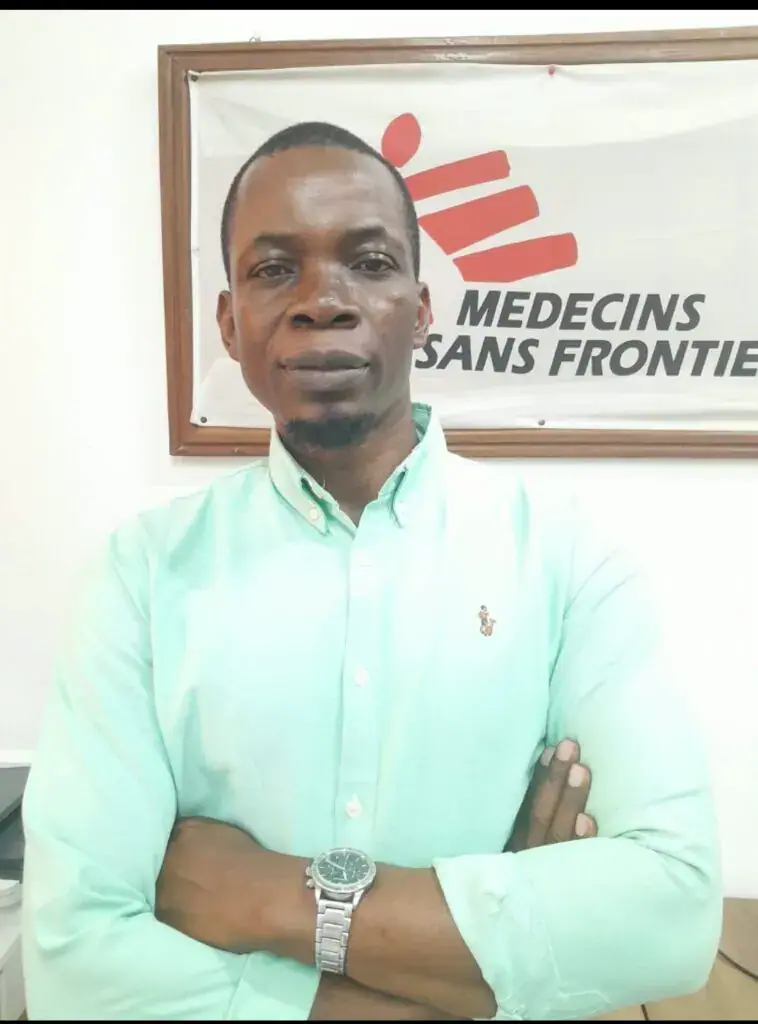
As of October 23, approximately 3,500 new displaced persons have been registered in Macina, Mali, according to Médecins Sans Frontières (MSF). This update comes from an interview with Dominique KOUADIO, MSF's OCP mission chief, on October 26, 2026. The recent influx of displaced individuals has put a strain on local resources, with many facing dire humanitarian needs. The situation remains fluid, with ongoing assessments of the crisis.
The total number of displaced persons in Macina, when including those displaced between 2023 and 2025, stands at around 5,000. However, the 3,400 new arrivals since early September account for the majority of the current crisis. MSF's teams have been actively responding to the situation, providing critical medical care and other essential services. The organization continues to monitor the situation closely, adapting its response as needed.
MSF's medical teams have provided care to 2,131 individuals, including 662 women and 591 children, over a two-week period. The most prevalent health issues among the displaced population include malaria and respiratory infections. The organization has been working tirelessly to address these health concerns, which are often exacerbated by poor living conditions and inadequate access to healthcare.
Many of the newly displaced individuals are being hosted by local families, which can lead to overcrowding and increased vulnerability to disease transmission. The current situation poses significant risks, particularly during the rainy season, which can facilitate the spread of malaria and other water-borne diseases. MSF is working to mitigate these risks through targeted interventions.
Despite the challenges, MSF reports that it has not encountered significant difficulties in accessing the displaced population. The organization's teams are based in Macina, where they operate from the CSCOM central health center. Plans are underway to decentralize MSF's response, with additional teams to be deployed directly to areas where displaced persons are concentrated.
MSF has identified several urgent needs that must be addressed, including shelter, household items, food, psychological support, protection, access to clean water, cash support, and primary healthcare. These needs are currently not being adequately met, and the organization is working with other humanitarian actors to bridge the gaps.
The humanitarian situation in Macina remains critical, with thousands of displaced persons relying on external assistance for survival. MSF's efforts, combined with those of other organizations, aim to alleviate the suffering of these individuals and provide them with essential services. As the situation continues to evolve, MSF and other responders will need to adapt their strategies to ensure an effective and sustained response.
Key points
- MSF reports 3,500 new displaced persons in Macina, Mali, as of October 23.
- The organization has provided medical care to 2,131 individuals, including 662 women and 591 children.
- Urgent needs in the area include shelter, food, psychological support, and primary healthcare.