Médecins Sans Frontières (MSF) has concluded its emergency program to combat a malaria surge in Niger's Matameye district. The program, which ran from July to November 2026, provided medical care to over 4,500 patients at the district hospital and supported health centers and community structures. MSF's intervention aimed to reduce morbidity and mortality related to malaria and malnutrition in children aged 0-15.
The program was initially planned for six months but was shortened to four months due to budget constraints. MSF worked in partnership with the Niger Ministry of Public Health to deploy a response plan, strengthening health facilities, improving patient care, and providing essential medicines and supplies. The intervention covered one district hospital, ten integrated health centers, and 52 community care sites.
MSF reported significant results, including 2,915 pediatric admissions and 1,634 admissions at the intensive nutritional recovery center, totaling 4,549 patients treated. The mortality rate in pediatrics was 3.6%, while the recovery and nutritional stabilization rate at the intensive nutritional recovery center reached 89%. The program also provided care for 240 pregnant women with malaria and conducted 2,364 blood transfusions.
In addition to medical care, MSF's program included community outreach and support. The organization conducted awareness campaigns, reaching 430,293 people, and provided 69,770 meals and 4,323 admission kits. MSF also invested in logistics, installing nine tents at the district hospital, which increased the capacity of pediatrics and the intensive nutritional recovery center from 68 to 220 beds.
The program also focused on building local health capacity. MSF provided training for 11 doctors, 64 nurses, and 14 nursing assistants. A total of 665 agents from the Ministry of Public Health were mobilized, along with 59 local MSF employees and 497 daily workers. The overall cost of the program was 2,652,377,385 FCFA.
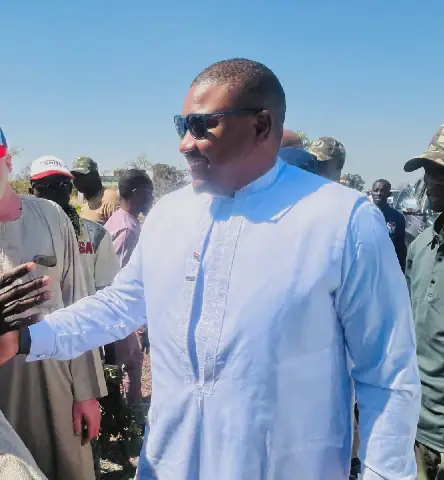
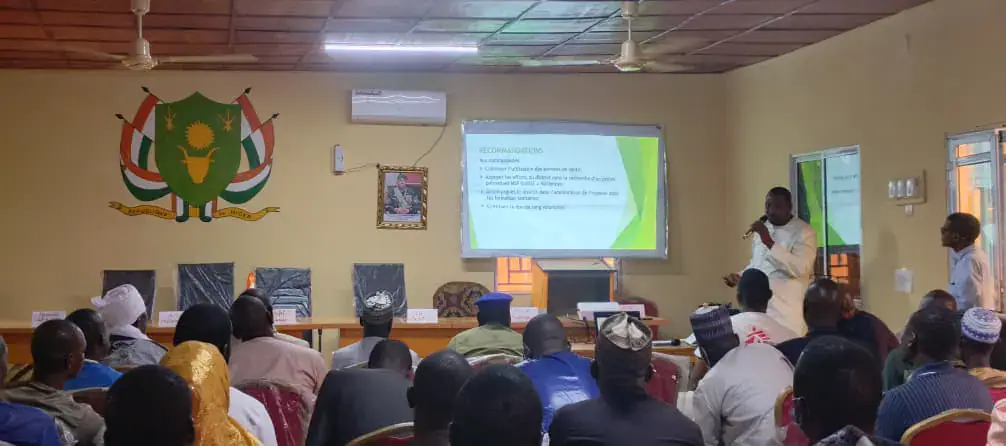
Local authorities have praised MSF's intervention, with Prefect Mahaman Laouali Ibrahim expressing gratitude for the organization's support. Ibrahim emphasized that MSF's partnership with local authorities and health officials has been strategic and reliable. He also noted that sustaining this support aligns with the national vision, under the leadership of the National Council for the Salvation of the Nation.
As MSF concludes its program, the organization has handed over its activities to local health authorities. The Niger Ministry of Public Health will continue to provide medical care to the community, with support from other health organizations. The program's impact will be evaluated, and lessons learned will inform future interventions to combat malaria and malnutrition in the region.
Key points
- MSF treated over 4,500 patients with malaria and malnutrition in Niger's Matameye district.
- The program was shortened from six months to four months due to budget constraints.
- MSF invested in logistics, including installing nine tents at the district hospital to increase bed capacity.