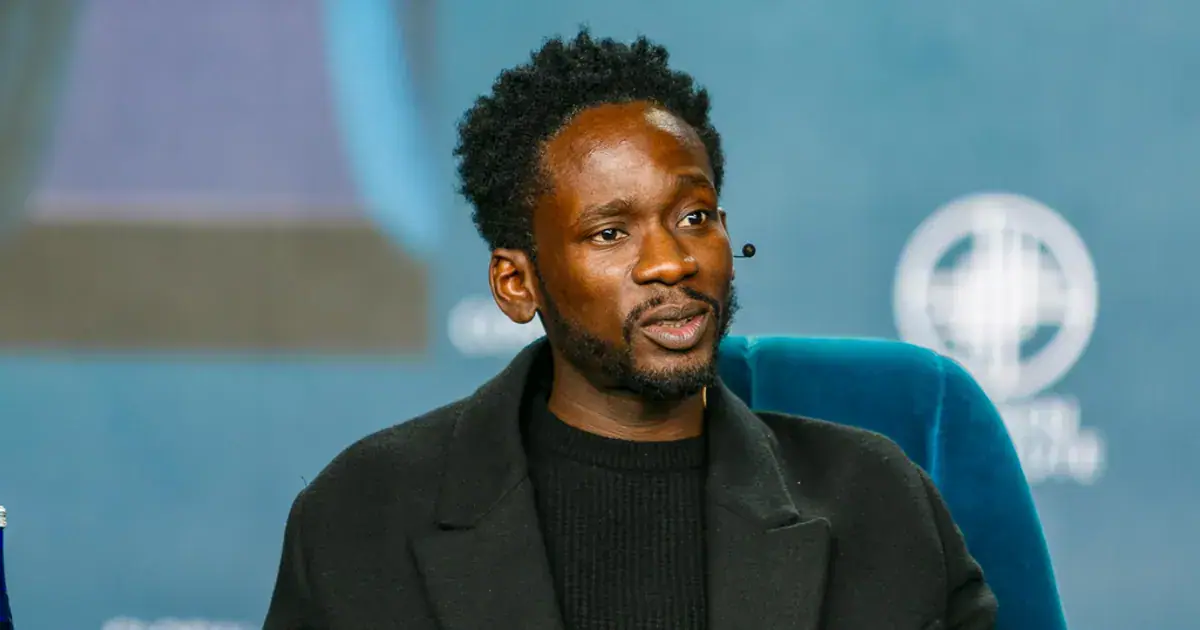
Ghanaian-Nigerian musician Mr Eazi has issued a stern warning to individuals and organisations accused of collecting money on behalf of musicians without ensuring that the artistes receive their rightful share. He strongly supports artistes receiving fair payment and will not tolerate people withholding money meant for musicians. Mr Eazi is willing to hire lawyers to help artistes sue individuals or organisations that collect their earnings but fail to pay them.
Mr Eazi highlighted the financial struggles of emerging Ghanaian and Nigerian artistes, particularly the high cost of music promotion and limited returns from royalties and streaming. He noted that musicians often have to pay intermediaries to secure exposure on radio and television. According to Mr Eazi, artistes may spend money producing music videos and then incur additional costs to get them featured on television or have their songs played on radio stations.
The singer linked his position to his Locker Room Bonus initiative, which reflects his broader interest in supporting musicians and ensuring they benefit financially from their work. Mr Eazi stressed that his willingness to intervene goes beyond speaking out, revealing that he is prepared to provide legal support for musicians who want to recover money owed to them. He stated that he will hire lawyers for them to come and sue individuals or organisations that withhold payments.
Mr Eazi drew attention to the financial pressures confronting Ghanaian and Nigerian artistes, particularly those trying to establish themselves in the industry. He recalled the efforts he made at the beginning of his career to get his music heard, including visiting radio stations and distributing CDs to presenters. Mr Eazi noted that artistes invest significantly to get to their fans, but the current promotional system places a considerable financial burden on emerging musicians.
The musician questioned the financial returns musicians receive after spending money to promote their songs, particularly through radio airplay. Using GH¢5,000 as an example, he wondered whether an artiste who invests that amount to secure radio rotation in Ghana could generate enough royalties from the broadcasts to recover the money. Mr Eazi contrasted this with the United States, where radio airplay can generate royalties for musicians through established systems that track music usage and distribute publishing revenue.
Mr Eazi argued that the situation makes it difficult for musicians who rely heavily on the Ghanaian market to sustain their careers through recorded music alone. He questioned whether artistes whose audiences are mainly in Ghana could earn enough from streaming platforms such as Apple Music and Audiomack to support themselves and their families, particularly if they do not regularly secure paid performances. Mr Eazi stated that the answer is no.
Mr Eazi's comments have renewed attention on the financial challenges facing emerging African musicians, from the cost of promotion to the need for transparent royalty collection and payment systems. His stance has sparked a conversation about the need for fairness and transparency in the music industry.
Key points
- Mr Eazi is willing to hire lawyers to help artistes sue individuals or organisations that withhold payments meant for them.
- The musician highlighted the financial struggles of emerging Ghanaian and Nigerian artistes.
- Mr Eazi's comments have renewed attention on the financial challenges facing emerging African musicians.