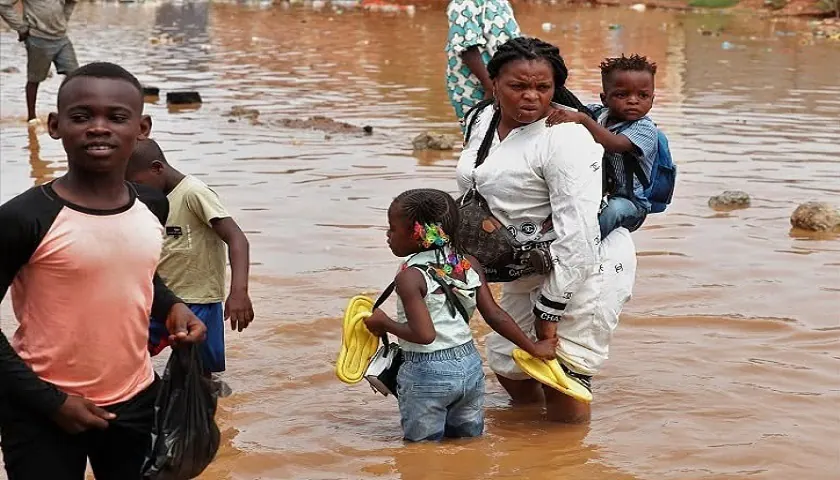
The 4th edition of the Luanda Biennale is set to take place on October 22-23, with a central theme of water governance for cooperation between states and conflict prevention. The event, organized in partnership with the African Union and UNESCO, will feature 500 participants, including African heads of state and government, as well as young leaders. The biennale's theme, "Strengthening Water Governance in Africa as an Instrument for Prevention, Mediation, and Conflict Resolution," highlights the importance of effective water management in maintaining peace and stability.
According to Nuno Albino, Secretary of State for Social Communication and spokesperson for the biennale, water governance is crucial in the face of climate change, population growth, and pressure on natural resources. The event aims to promote intergenerational dialogue on water challenges in Africa, foster cooperation, and encourage diplomacy. The program includes four panels of discussion, covering the political, social, environmental, scientific, and economic aspects of water governance.
The biennale's main event will be an intergenerational and high-level dialogue on "Inclusive Governance: Uniting Generations to Ensure Sustainable Availability of Water and Safe Sanitation Systems to Achieve the Goals of the African Union's Agenda 2063." The opening ceremony will feature interventions from heads of state and government, representatives of the African Union and UNESCO. Official speeches will be delivered by the President of the African Union, the Director-General of UNESCO, and Angolan President João Lourenço.
The event will also include parallel activities and associated programs, such as the second national ecumenical conference on the rescue of moral, civic, and religious values in Angola. This conference will bring together Angolan religious leaders and Fidon Mwombeki, Bishop of the Libombos diocese and President of the Electoral Commission of Mozambique. On October 23, a session will focus on the contribution of the Peacebuilding Fund.
The session on the Peacebuilding Fund will gather representatives from the United Nations, partners, donor countries, implementing institutions, and young beneficiaries of projects. The goal is to share experiences and results in peacebuilding and consolidation on the continent. According to Nuno Albino, the event expects the participation of high-level officials and experts to discuss the challenges and opportunities related to water governance in Africa.
The Luanda Biennale aims to strengthen the understanding of water as an instrument for prevention, mediation, and conflict resolution. It also seeks to stimulate cross-border cooperation and water diplomacy. With the involvement of various stakeholders, including governments, international organizations, and civil society, the event hopes to produce concrete outcomes and recommendations for improving water governance in Africa.
As the event approaches, expectations are high for the 4th Luanda Biennale to make a meaningful contribution to the discussion on water governance and its role in promoting peace and stability in Africa. With the support of the MPLA and other partners, the biennale is poised to bring together key stakeholders and experts to address one of the continent's most pressing challenges.
Key points
- The 4th Luanda Biennale will focus on water governance as a crucial aspect of peace and stability in Africa.
- The event aims to promote intergenerational dialogue and cooperation on water challenges in Africa.
- The biennale expects 500 participants, including African heads of state and government, and young leaders.