Kirinyaga Woman Representative Njeri Maina has urged the Kenyan government to take urgent action to address the growing burden of endometriosis among women and girls. She raised concern that women and girls continue to suffer in silence, with delayed diagnosis and high treatment costs worsening the problem. Maina sought a statement in the National Assembly, emphasizing that endometriosis should no longer be treated as a private medical issue.
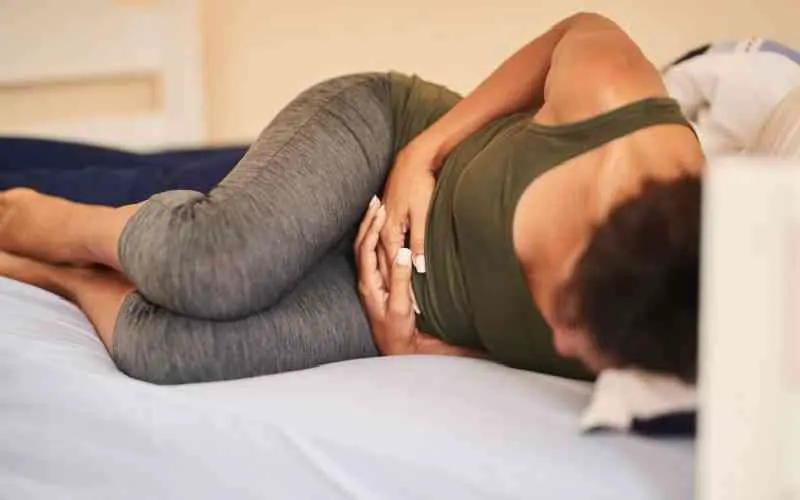
Maina stated that endometriosis care should be integrated into the Universal Health Coverage agenda and covered under the Social Health Authority. She noted that many Kenyan women suffer silently for years, moving from one health facility to another before receiving an accurate diagnosis. The chronic condition, where tissue similar to the uterus lining grows outside the uterus, causes severe pelvic and menstrual pain, excessive bleeding, fatigue, and infertility.
Maina called for the decentralization of diagnostic and specialized treatment services to county and regional referral hospitals to make care more accessible. She also emphasized the need for enhanced training of healthcare workers, comprehensive menstrual health education, and national research to establish the prevalence and socio-economic impact of endometriosis in Kenya.
The MP noted that endometriosis can interfere with education and employment, resulting in lost income and imposing a heavy financial burden on affected women and their families. Women and girls living outside major urban centers face limited access to specialized diagnosis and treatment, exacerbating the problem. Maina proposed clear national guidelines for diagnosis, referral, treatment, and long-term management of endometriosis.
Maina urged the government to move beyond providing sanitary products and educate girls and women about menstrual health. She emphasized that women and girls should be empowered to recognize that severe or incapacitating menstrual pain is not normal and should prompt them to seek medical attention. Endometriosis affects about one in 10 women and girls of reproductive age globally, but remains poorly understood and frequently misdiagnosed.
Maina paid tribute to women who have raised awareness about endometriosis, including media personality Natalie Githinji and the late Mary Jambi Koikai. Koikai's advocacy helped bring endometriosis into the national conversation, encouraging more women to speak openly about their experiences. Maina stated that translating awareness into meaningful policy and accessible healthcare is crucial.
Maina urged the government to strengthen public awareness campaigns, promote early diagnosis, and make treatment affordable and accessible to women and girls nationwide. This requires a coordinated response involving health education, trained healthcare workers, research, affordable treatment, and decentralized services. The call comes amid growing attention to menstrual and reproductive health challenges affecting women and girls.
Key points
- Endometriosis care should be integrated into the Universal Health Coverage agenda and covered under the Social Health Authority.
- The condition affects about one in 10 women and girls of reproductive age globally.
- Maina calls for decentralized diagnostic and specialized treatment services to county and regional referral hospitals.