Mozambique's economic development is heavily influenced by its unique geography, with a 2,700km coastline and population centers concentrated along it. However, the country's domestic freight operations are largely dependent on a single road, the N1 highway, which spans 2,471km across eight provinces. According to the World Bank, this road carries 50.1% of national freight, while sea transport accounts for only 4.6%. The N1's condition is a major concern, with a 2021 survey finding that around 40% of the corridor, or 1,053km, was in poor condition and required major rehabilitation.
The N1 highway's alignment is a structural problem, running parallel to the coast and crossing major rivers near their mouths, where floods peak. This makes it prone to closures during extreme weather events. In 2000, Cyclone Eline caused 15 to 20 days of closure on certain sections. More recent examples include Cyclone Gombe in 2022, which collapsed a bridge span and closed a section to heavy vehicles for 11 days, and Cyclone Freddy in 2023, which cut off a section for five days. These closures have significant economic implications, highlighting the need for a more reliable transportation network.
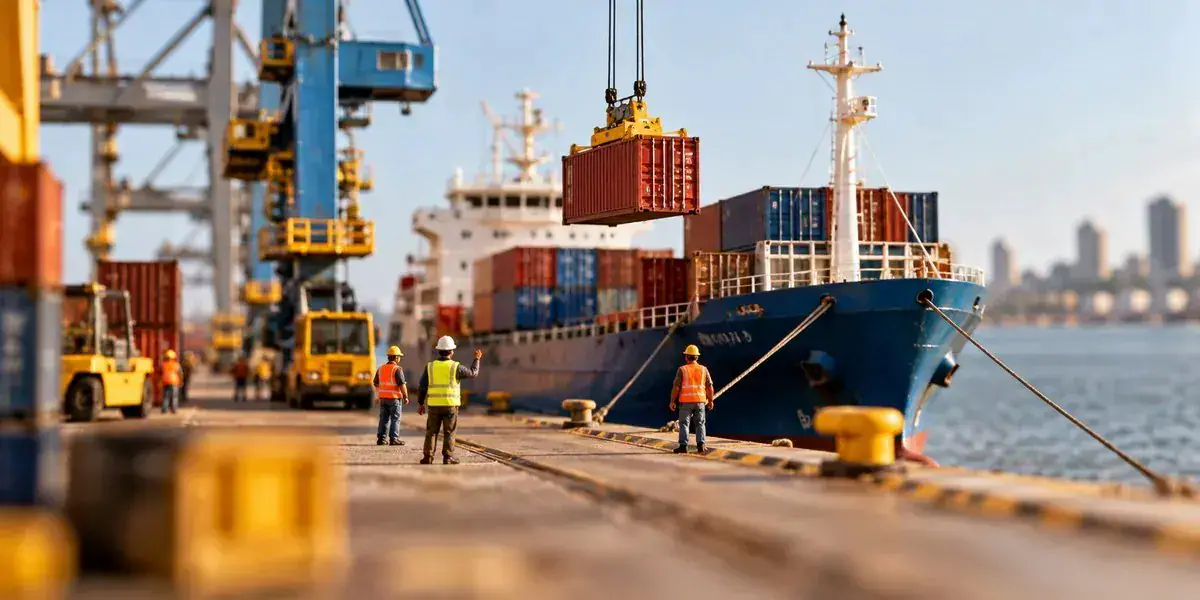
The frequency and impact of road closures have led to increased attention on coastal shipping as a viable alternative. Moving freight by sea can help mitigate the risks associated with road transport, but its effectiveness depends on Mozambique's port infrastructure and fees. The World Bank notes that the country's ports are critical to its economic development, but high charges and inefficient operations can make sea transport less competitive. To address this, the Mozambican government may need to invest in port infrastructure and streamline operations to make coastal shipping a more attractive option.
The consequences of road closures were starkly illustrated in January 2026, when six relatively minor cuts near the Incomati river closed the road for nearly two weeks. Even after reopening, traffic was restricted to 30km/h while the pavement was assessed. A detour around Xai-Xai was also cut by further rains in March, highlighting the vulnerability of the road network. The impact was not limited to road transport, as the Limpopo rail line was also closed for around three months, resulting in financial losses of US$47 million for CFM.
The fiscal implications of Mozambique's transportation network vulnerability are significant. With over 5,200km of roads damaged, the cost of repairs and maintenance is substantial. The country's economic development is closely tied to the reliability of its transportation network, and the current situation is unsustainable. As the World Bank notes, Mozambique cannot continue to rely on its N1 highway for domestic freight, and a shift towards coastal shipping is necessary to ensure economic stability.
To address these challenges, the Mozambican government may need to prioritize investment in port infrastructure and coastal shipping. This could involve upgrading port facilities, improving logistics and operations, and reducing fees to make sea transport more competitive. Additionally, the government may need to consider alternative transportation modes, such as rail, to reduce dependence on the N1 highway. By diversifying its transportation network, Mozambique can reduce its vulnerability to extreme weather events and promote more sustainable economic development.
Ultimately, Mozambique's transportation network challenges highlight the need for a more nuanced approach to economic development. By understanding the country's unique geography and the vulnerabilities of its transportation network, policymakers can develop more effective strategies to promote economic growth and stability. As the country looks to the future, it is clear that a shift towards coastal shipping and a more diversified transportation network will be critical to ensuring Mozambique's long-term economic success.
Key points
- Mozambique's N1 highway, which carries 50.1% of national freight, is frequently closed due to flooding, highlighting the need for a more reliable transportation network.
Reporting sources
- Road versus coast shipping: a risk assessment for Mozambique · FurtherAfrica