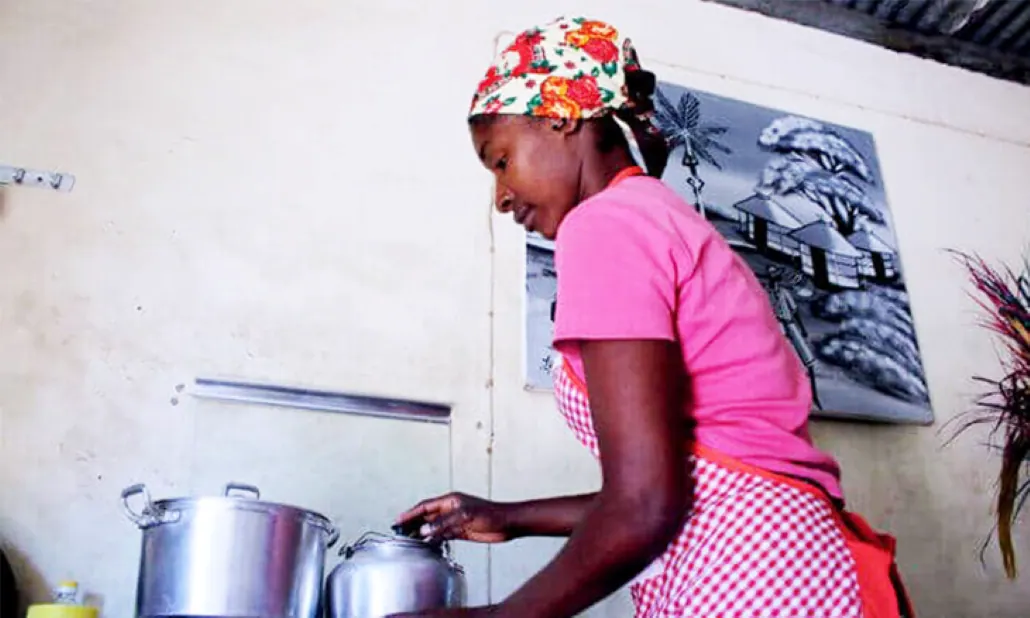
Domestic work has long been a significant source of income for thousands of people in Mozambique's Metropolitan Region of Maputo, particularly women. The sector is characterized by varying working conditions, with many workers facing informal agreements with employers regarding working hours, pay, days off, and tasks. To address these challenges, the government has introduced a new regulation to formalize labor relations and clarify workers' rights and responsibilities.
The new regulation, approved through Decree No. 52/2026 on September 3, revokes the previous norm that had been in place since 2008 and introduces new provisions for domestic work. Key aspects of the regulation include the requirement for written employment contracts, mandatory registration with the Social Security System, and rules governing working hours, weekly rest, and vacation time. A minimum salary for domestic workers is also set to take effect in March 2027.
The new regulation aims to improve working conditions for domestic workers, who often face exploitation and poor treatment. Many workers currently work without written contracts, and their working hours can be long and unpredictable. Some workers also report experiencing humiliation, intimidation, and harassment on the job. The regulation seeks to address these issues and provide greater protection for workers.
A survey by the Notícias newspaper found that working conditions for domestic workers vary significantly. Some workers have defined working hours, days off, and paid vacation time, while others work without contracts or social security protection. The survey also revealed that some workers are hired for specific tasks, such as cleaning, but end up performing a range of duties, including childcare and elderly care.
The Notícias newspaper visited several residences to gather information on the working conditions of domestic workers and how they interact with their employers. The survey found that some workers are treated fairly and have good relationships with their employers, while others face difficult working conditions and mistreatment. The regulation is expected to improve working conditions for domestic workers and provide greater clarity on their rights and responsibilities.
The introduction of the new regulation has been welcomed by many domestic workers, who hope it will lead to better working conditions and greater protection. However, some employers have expressed concerns about the potential impact of the regulation on their households. The government has stated that it will work with employers and workers to ensure a smooth implementation of the new regulation.
The new regulation is a significant step towards improving working conditions for domestic workers in Mozambique. With its emphasis on formalizing labor relations and protecting workers' rights, it is expected to have a positive impact on the lives of thousands of workers. The government has confirmed that it will begin enforcing the regulation in March 2027, when the minimum salary for domestic workers is set to take effect.
Key points
- The new regulation requires written employment contracts and mandatory registration with the Social Security System for domestic workers.
- A minimum salary for domestic workers is set to take effect in March 2027.
- The regulation aims to address issues such as exploitation, humiliation, and harassment faced by domestic workers.