The Mozambican education sector is facing a significant infrastructure challenge, with a need for 33,661 new classrooms to accommodate 4.9 million students. According to Education and Culture Minister Edson Macuácua, 28,018 of these classrooms are required for primary education, while 5,643 are needed for secondary education. This shortage is part of a broader effort to improve the quality of education in the country.
Minister Macuácua emphasized the importance of providing a conducive learning environment, where every child can learn under a roof, seated on a chair with a desk. He noted that well-constructed classrooms, equipped with furniture and basic amenities like clean water and sanitation, represent a direct investment in the nation's future. Currently, 9,290 primary school classes are being held outdoors due to a lack of infrastructure.
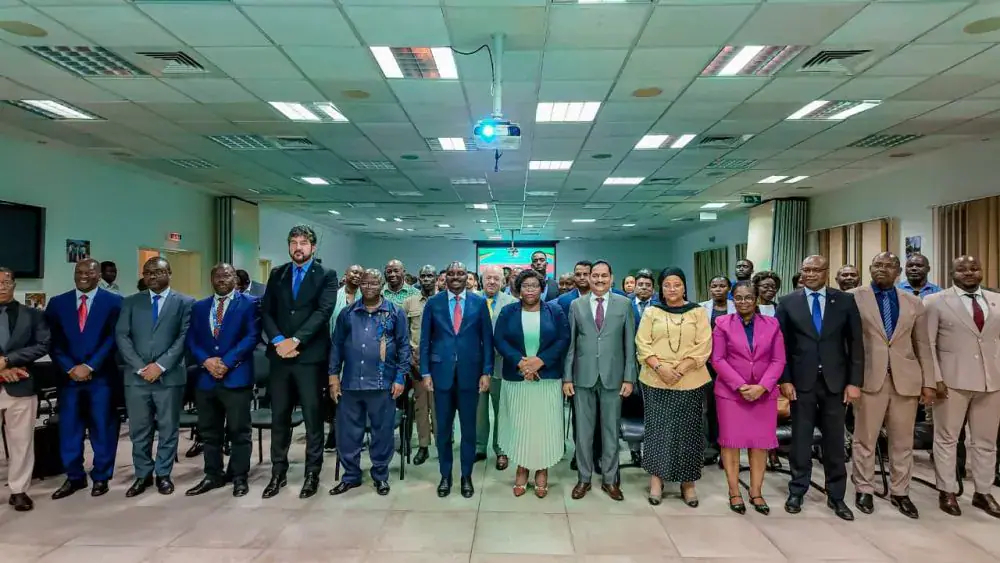
The education sector also faces a shortage of teachers, with 54,282 more needed to address the current deficit. Additionally, 2,300 secondary schools require laboratory equipment to enhance the learning experience. The minister highlighted these needs during a meeting with friends and partners of the education sector from various countries, underscoring the government's commitment to addressing these challenges.
The Mozambican government has prioritized several initiatives to address the education sector's needs. One key project involves the rehabilitation of 24 teacher training institutes, estimated to cost 3.6 billion meticais. The government also plans to upgrade 26 technical and vocational institutes and invest 2.47 billion meticais in higher education infrastructure.
Furthermore, the government aims to modernize three national museums at a cost of 350 million meticais. These initiatives are part of a broader strategy to improve the quality of education and provide Mozambican students with the skills and knowledge needed to compete globally. The minister's emphasis on infrastructure development reflects the government's recognition of the critical role education plays in the country's development.
The construction of new classrooms and the improvement of existing educational infrastructure are seen as crucial steps towards achieving the government's education goals. By investing in education, the Mozambican government aims to ensure that all children have access to quality education, regardless of their geographical location or socio-economic background.
The education sector's development is also expected to have a positive impact on the country's economic growth and social stability. As the government continues to prioritize education, stakeholders will be watching closely to see how these initiatives translate into tangible improvements in the quality of education and the lives of Mozambican students.
Key points
- The Mozambican education sector needs 33,661 new classrooms to accommodate 4.9 million students.
- The government has prioritized the rehabilitation of 24 teacher training institutes and the upgrade of 26 technical and vocational institutes.
- The construction of new classrooms and improvement of educational infrastructure are critical to achieving the government's education goals.