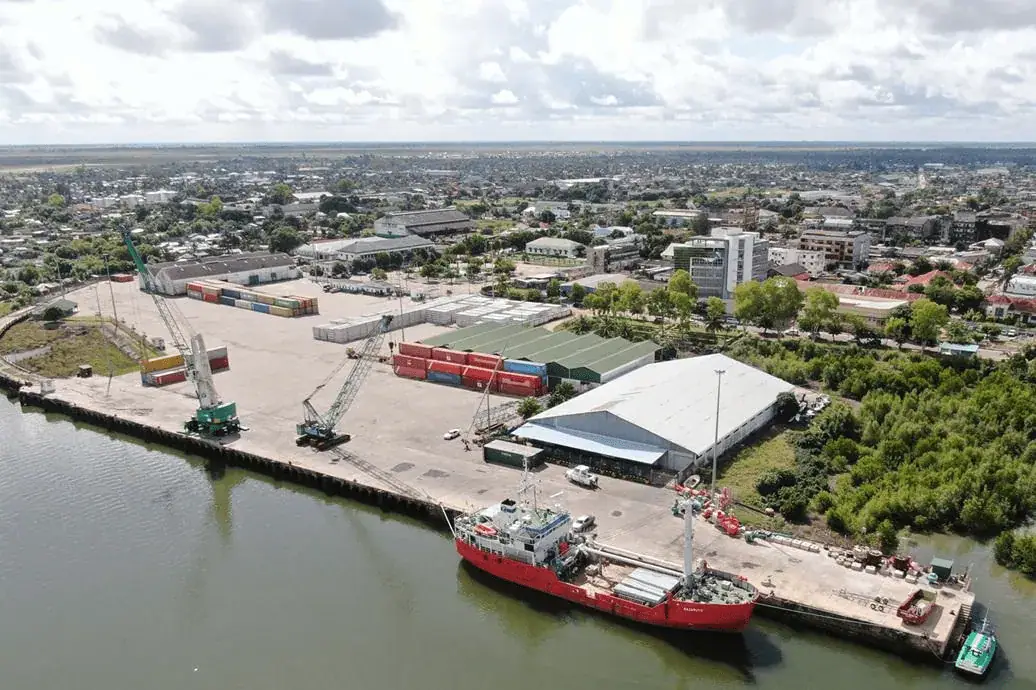
The Mozambican Council of Ministers has approved the terms of a public-private partnership to revive the Quelimane Port in Zambézia Province. The project, valued at over US$100 million, aims to rehabilitate, modernize, and operate the facility, which has been inactive since 2017. The concession will be undertaken by a company involving the state-owned Portos e Caminhos de Ferro de Moçambique (CFM) and private partners.
The first phase of the project is valued at approximately US$58 million and will cover civil works, rehabilitation of existing quays, and the deepening of access channels. These improvements are crucial for the port's commercial viability and competitiveness. A port's ability to receive vessels efficiently is central to its commercial viability and competitiveness. The investment is expected to be implemented in phases.
The revival of Quelimane Port is part of a broader effort to improve the movement of goods, strengthen infrastructure, and provide businesses with more reliable routes to domestic and regional markets. The Port of Beira currently plays an important role in serving central Mozambique and neighbouring landlocked countries. Reviving Quelimane could provide an additional logistics option, potentially reducing pressure on Beira and creating greater flexibility for cargo owners and transport operators.
Malawi, a landlocked country, stands to benefit from improved connectivity. A functioning Quelimane Port could offer another route for imports and exports, although the extent of that benefit will depend on the port's eventual capacity, operating costs, and the quality of connecting road and rail infrastructure. For businesses in Zambézia and surrounding provinces, improved port services could support agricultural trade, commercial distribution, and investment in sectors that depend on efficient transport.
Better logistics can reduce delays, improve the reliability of supply chains, and make regional trade more competitive. Nevertheless, the approval of concession terms should not be confused with the completion of the project. The investment must still be mobilized, construction and rehabilitation works undertaken, and the port brought back into commercial operation.
The effectiveness of the partnership will also depend on transparent management, sound financial planning, and sustained maintenance. The project's long-term value will be determined by how effectively it connects producers and businesses to markets. Port infrastructure cannot deliver its full economic benefits in isolation; it must work alongside dependable roads, efficient border procedures, reliable customs services, and competitive transport operators.
Mozambique's decision represents an important step towards restoring a strategic logistics asset. If the investment is implemented successfully, Quelimane could strengthen the country's role as a regional trade gateway while giving neighbouring economies another option for accessing maritime routes. The project is expected to have a positive impact on regional trade and economic development.
Key points
- The project aims to improve the movement of goods and strengthen infrastructure in the region.
- The revival of Quelimane Port is expected to provide an additional logistics option for landlocked countries such as Malawi.
- The project's success will depend on transparent management, sound financial planning, and sustained maintenance.
Reporting sources
- Mozambique’s Quelimane Port: A US$100 Million Plan to Strengthen Regional Trade · African Leadership Magazine