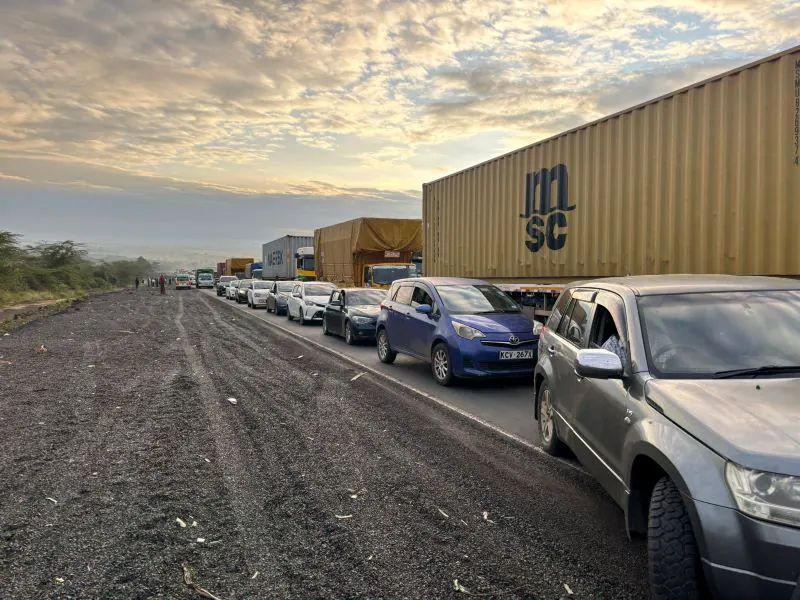
The Motorist Association of Kenya (MAK) has called for an independent investigation into the importation, procurement, pricing, and distribution of petroleum products in the country. This demand comes after Ugandan President Yoweri Museveni's remarks about the use of middlemen in fuel purchases involving Kenya. The association wants authorities to provide details of all intermediaries involved in the government-to-government arrangement, including commissions received, contracts entered into, and beneficiaries.
The government-to-government fuel import arrangement has come under fresh scrutiny, with MAK demanding a forensic audit into how petroleum products are bought, priced, and supplied in the country. The association wants details of all intermediaries involved in the arrangement, including the commissions they received, contracts entered into, and the people or entities that benefited from the system. MAK also wants the actual landed cost of every fuel cargo made public, alongside the margins added before the products are sold to consumers.
MAK's demand comes as the Energy and Petroleum Regulatory Authority (EPRA) continues to enforce the current maximum pump prices, which will remain in place until October 14. A litre of petrol is currently priced at Sh214.03, while diesel costs Sh217.86 per litre and kerosene is retailing at Sh191.38. The association has renewed its call for an independent examination of EPRA's fuel pricing system and its independence, citing concerns over political or commercial interference.
The latest demands were prompted by Museveni's remarks that a Kenyan senator had told him Uganda was purchasing petroleum products through middlemen in Kenya. According to Museveni, the information led Uganda to consider direct sourcing of its petroleum products. The Uganda National Oil Company (UNOC) then worked with global energy trader Vitol, after which the premiums paid for petrol, diesel, and aviation fuel declined.
Uganda announced in November 2023 that it would end its dependence on Kenyan oil marketing companies and intermediaries for petroleum supplies. The country has since shifted to direct fuel imports through the Port of Mombasa, with the products transported using Kenya Pipeline infrastructure. This move has raised questions about the procurement system and the role of EPRA in Kenya.
MAK said each cost used to determine the prices paid at petrol stations should be independently checked and protected against political or commercial interference. The association wants a full forensic audit of the government-to-government petroleum procurement system, including all intermediaries, commissions, contracts, pricing formulas, and beneficiaries. This audit should also cover the importation, procurement, pricing, and distribution of petroleum products.
The motorists' lobby has issued a statement calling for an independent investigation, citing concerns over the use of middlemen and the pricing of petroleum products. The investigation should provide details of all intermediaries involved in the government-to-government arrangement and the beneficiaries of the system.
Key points
- The Motorist Association of Kenya demands a forensic audit into the government's fuel import arrangement.
- The association wants details of all intermediaries involved in the arrangement and the beneficiaries of the system.
- Uganda has shifted to direct fuel imports through the Port of Mombasa, ending its dependence on Kenyan oil marketing companies and intermediaries.