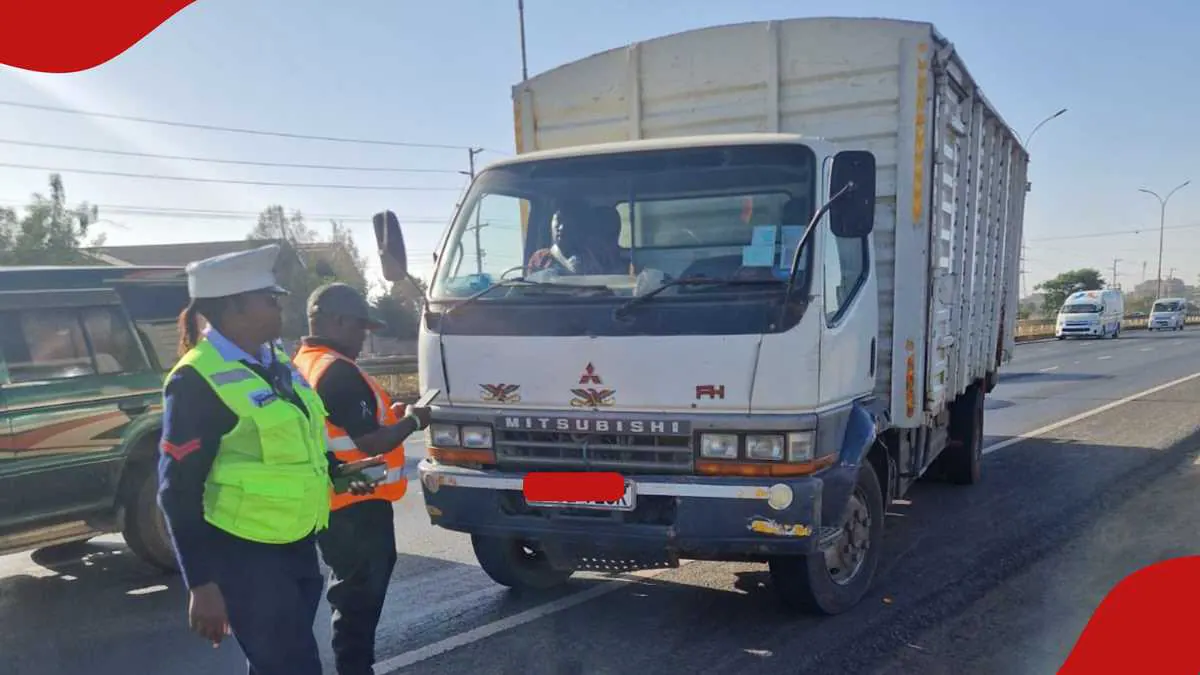
The Motorists Association of Kenya (MAK) has publicly challenged the National Transport and Safety Authority (NTSA), accusing the regulator of selective enforcement in the matatu sector. MAK argues that NTSA's admission of lacking clear data on investors, ownership structures, and accountability systems within parts of the transport sector undermines its regulatory mandate. This has raised concerns about the authority's ability to effectively regulate the industry.
MAK questions NTSA's regulatory mandate, arguing that the authority cannot credibly license, inspect, suspend, or prosecute operators while pleading ignorance of who owns the vehicles it oversees. The association drew a sharp contrast between how enforcement is applied, citing that when an ordinary matatu operator is targeted, authorities have no difficulty identifying the vehicle, the owner, and the relevant records. However, when other operators repeatedly breach safety regulations, the regulator cites a lack of ownership clarity.
The association warned that reckless manoeuvres and other violations linked to unregulated sections of the industry continue to be recorded on Kenyan roads, resulting in crashes and fatalities. MAK emphasized that NTSA must not be allowed to explain away its failure to regulate the industry with the huge taxpayer funding at its disposal. The statement did not name specific operators or incidents.
NTSA had not publicly responded to the claims by the time of publication. However, the authority has listed four professional conduct rules for matatu drivers and conductors, covering respectful communication, harassment, uniforms and identification, and assistance for vulnerable passengers. These guidelines aim to promote a safer and more responsible transport sector.
In a separate development, NTSA has launched a free four-day training pilot for more than 4,000 public service vehicle drivers and industry officials. Graduates are expected to become road safety champions as the authority prepares to expand the programme nationwide. This initiative aims to enhance road safety and promote best practices among drivers and industry stakeholders.
The Motorists Association of Kenya closed with a pointed conclusion, stating that if NTSA does not know who owns the vehicles, it cannot claim to regulate them. The association emphasized that NTSA's selective enforcement and lack of transparency in regulating the matatu sector have significant implications for road safety and accountability.
The controversy highlights the need for NTSA to address concerns around selective enforcement and transparency in regulating Kenya's transport sector. As the authority continues to implement new guidelines and training initiatives, it remains to be seen how it will address the concerns raised by MAK and other stakeholders.
Key points
- The Motorists Association of Kenya accuses NTSA of selective enforcement in the matatu sector.
- NTSA's lack of clear data on ownership structures and accountability systems undermines its regulatory mandate.
- The association warns that reckless manoeuvres and other violations linked to unregulated sections of the industry continue to pose road safety concerns.