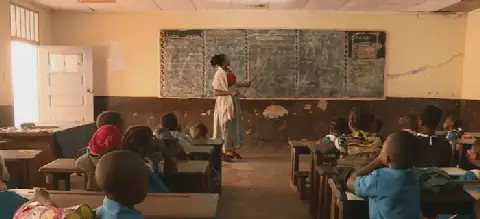
Grade 1 teachers in Namibia are advocating for parents to enrol their children in mother-tongue schools to boost early academic development. The country's education policy supports this approach, allowing pupils in pre-primary school to Grade 3 to be taught in their mother tongue or predominant local community language. This policy aims to promote unity and facilitate communication in a linguistically diverse country. By teaching children in their mother tongue, teachers believe they can give them a better chance of achieving academic success from the start.
Loretta Dreyer, a Grade 1 teacher at Keetmanshoop Primary School, emphasizes the importance of mother-tongue education. She notes that many parents prefer to enrol their children in English schools, despite not speaking the language at home. Dreyer argues that this can delay a child's development and hinder their academic performance. She encourages parents to enrol their children in schools where they can understand the language spoken in the classroom, citing the benefits of a strong foundation in their mother tongue.
Dreyer highlights the challenges faced by pupils in non-mother tongue schools. She notes that these children often spend the first term adjusting to the new language, while their peers in mother-tongue schools make progress in reading, writing, and basic math skills. By Grade 1, children should already have acquired certain skills, such as recognizing their names, writing them, and counting to 20. However, assessments reveal that many children start Grade 1 without this pre-primary preparation.
Apart from language skills, Dreyer emphasizes the importance of play-based learning in early childhood education. She argues that excessive screen time can inhibit children's attention span and motor skills development. Many videos children watch are short, lasting only 20-30 seconds, which is not conducive to sustained learning. In contrast, a Grade 1 school lesson can last 10-20 minutes, requiring children to focus and concentrate.
Cecilly Allen, a Grade 1 teacher at Minna Sachs Primary School, shares Dreyer's concerns about the impact of screen time on children's development. She suggests that parents should encourage their children to engage in play, drawing, crafts, singing, and dancing. These activities can help develop children's motor skills, handwriting, communication skills, and confidence. Allen believes that play-based learning is essential for children's overall development and academic success.
Allen highlights the benefits of art and creative activities in early childhood education. She notes that art helps develop children's imagination and left brain, allowing them to express themselves freely. By engaging in creative activities, children can develop their fine motor skills, hand-eye coordination, and critical thinking. These skills are essential for academic success and can benefit children in the long run.
The teachers' concerns and recommendations are rooted in their experience working with Grade 1 students. They believe that by prioritizing mother-tongue education and play-based learning, parents can give their children a strong foundation for academic success. By working together, teachers and parents can help children develop essential skills and a love for learning that will last a lifetime.
Key points
- Mother-tongue education is crucial for early academic development in Namibia.
- Excessive screen time can hinder children's attention span and motor skills development.
- Play-based learning is essential for children's overall development and academic success.