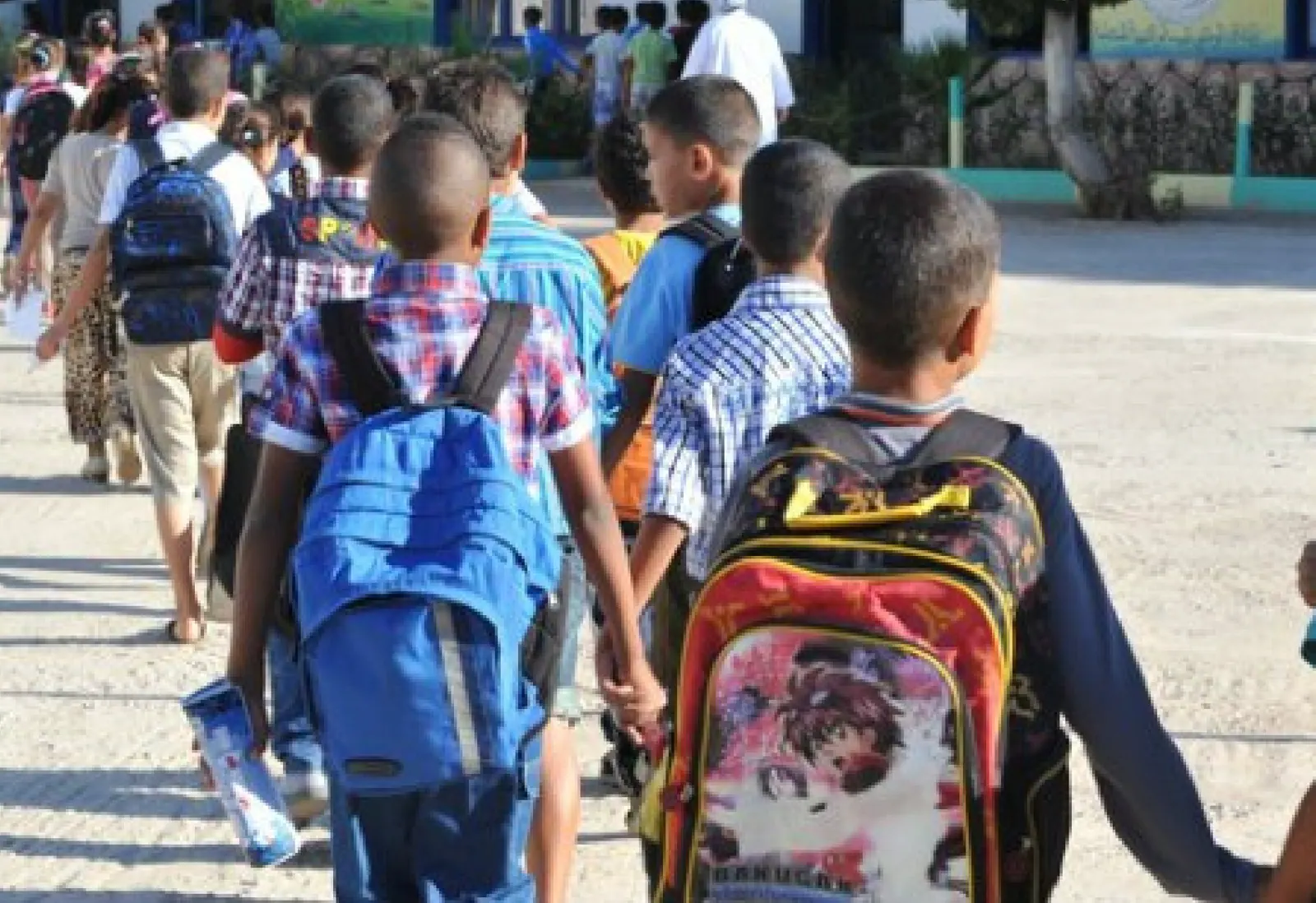
Despite a national teacher strike that began in late October, most primary school students in Bejaia, Algeria have taken their first-term exams. According to the local education authority, only 7% of students missed the exams. The strike, called by the National Education Workers' Union (SNTE), was suspended just before the December 12 presidential election. The SNTE had demanded the immediate implementation of a presidential decree and the recruitment of supervisors to support teachers.
A total of 59 second-grade classes out of 765 did not take the exam, while 60 third-grade classes out of 745 and 50 fourth-grade classes out of 748 also missed the exam. In fifth grade, 62 classes out of 733 did not take the exam due to the strike. The local education authority has instructed school principals and inspectors to consult with parents and teachers to organize make-up exams for the affected classes.
The SNTE's strike aimed to press for several demands, including the implementation of a presidential decree and the recruitment of supervisors to help with student supervision. The union also seeks the reinstatement of specialized teaching in primary schools, particularly in subjects like sports, mathematics, and art. This would help reduce teachers' workload and allow them to focus on their core pedagogical tasks.
In a separate development, the Bejaia branch of the National Autonomous Union of Education and Training Staff (CNAPESTE) denied calling for a general strike in the education sector. The denial came after an anonymous Facebook post attributed to the union, which has a strong presence in Bejaia. The CNAPESTE coordinator in Bejaia described the post as a rumor with unknown sources and objectives.
The local education authority in Bejaia has taken steps to minimize the impact of the strike on students' academic progress. By allowing schools to organize make-up exams, the authority aims to ensure that students who missed the exams can still catch up with their peers. This move is expected to help reduce the disruption caused by the strike and support students in their academic pursuits.
The SNTE's demands highlight the challenges faced by teachers and students in Algeria's education system. The union's push for specialized teaching and improved working conditions reflects concerns about the quality of education and teacher well-being. As the education sector continues to navigate these challenges, stakeholders will be watching closely to see how the situation unfolds.
The Bejaia education authority's efforts to mitigate the effects of the strike demonstrate its commitment to supporting students and teachers. By working with schools and parents, the authority aims to ensure that students receive a quality education despite the disruptions caused by the strike. As the academic year progresses, the focus will be on helping students recover from the lost time and get back on track.
Key points
- Only 7% of primary school students in Bejaia, Algeria missed their first-term exams due to a teacher strike.
- The SNTE's strike aimed to press for improved working conditions and specialized teaching in primary schools.
- The Bejaia education authority has allowed schools to organize make-up exams for students who missed the first-term exams.