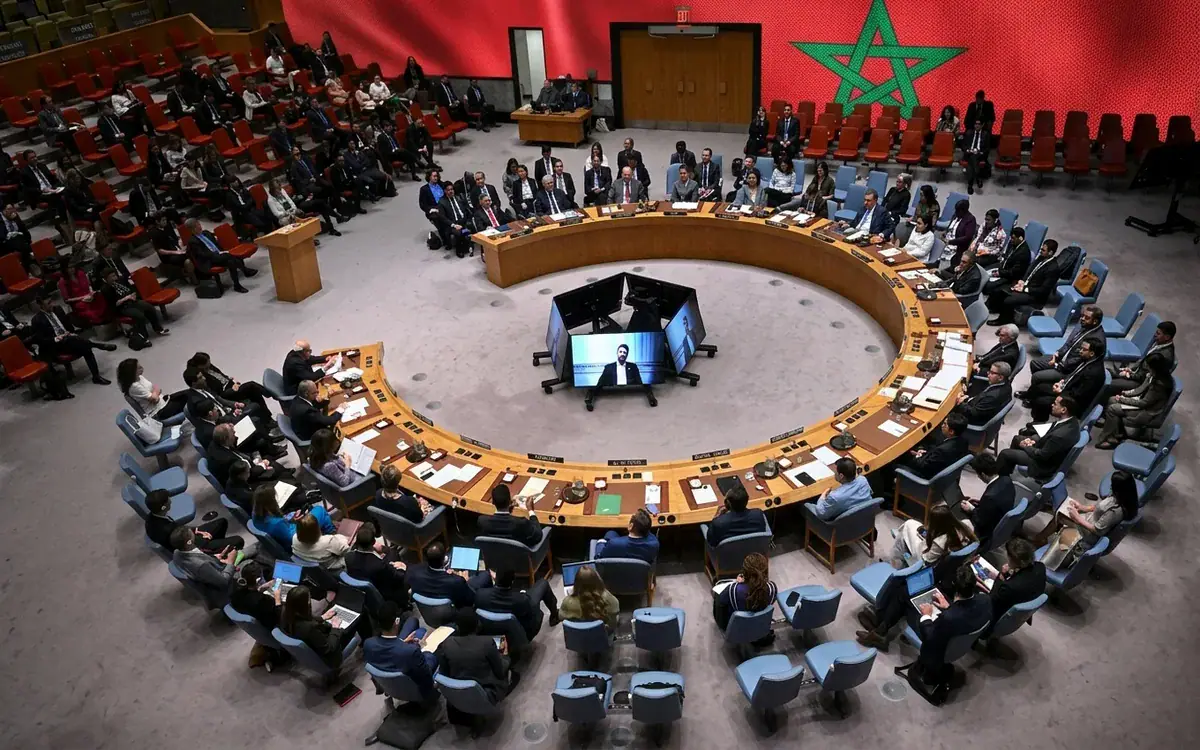
The recent UN Security Council vote on Western Sahara has highlighted a significant shift in international discussions on the long-standing conflict. The US-backed resolution garnered 11 votes in favor but was vetoed by Russia. Conversely, the Russian-proposed resolution failed to secure sufficient votes, with only three members supporting it. This development underscores a clear divide within the council, with a majority open to discussing a new approach and a minority opposed to any solution not aligned with their interests.
Morocco's position on the conflict remains steadfast, emphasizing the need for a realistic and sustainable political solution based on its autonomy initiative under Moroccan sovereignty. The Moroccan government has reiterated its commitment to engaging with the UN and supporting efforts to achieve a lasting resolution. This stance is reinforced by the 2025 UN Security Council Resolution 2797, which validated Morocco's autonomy initiative and paved the way for further negotiations.
The outcome of the Security Council vote has been interpreted differently by various parties. While some view it as a setback for the Moroccan-backed plan, others see it as an opportunity to reassess and reinvigorate the stalled peace process. The voting results indicate a clear preference among council members for moving forward with a new approach, rather than reverting to outdated positions.
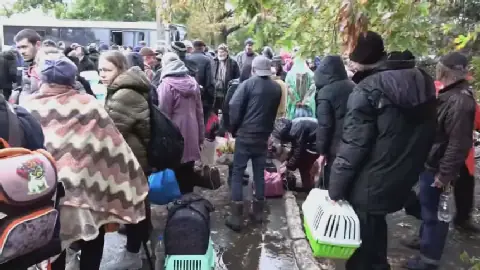
The humanitarian impact of the prolonged conflict is a pressing concern. The UN's report on Western Sahara, released in October 2026, highlights the ongoing challenges faced by civilians and the need for continued support. The report also underscores the importance of demining efforts, with UN teams conducting 1330 missions between October 2025 and September 2026.
The international community is urging all parties to engage constructively in the peace process. The Moroccan government has expressed its willingness to work with the UN and other stakeholders to achieve a lasting resolution. In contrast, Algeria's support for the Russian-proposed resolution has raised questions about its commitment to finding a solution.
The role of the UN Mission for the Referendum in Western Sahara (MINURSO) is also under scrutiny. With its mandate up for renewal, there are calls for the mission to be adapted to better support the evolving peace process. The mission's future and its specific objectives will be determined by the Security Council.
As the international community continues to grapple with the complexities of the Western Sahara conflict, Morocco remains committed to its autonomy initiative as a basis for a negotiated solution. The recent developments at the UN Security Council have underscored the need for a renewed focus on finding a realistic and sustainable solution to the conflict.
Key points
- The UN Security Council vote on Western Sahara was postponed due to Russia's veto of the US-backed resolution.
- Morocco's autonomy initiative remains a cornerstone of its position on the Western Sahara conflict.
- The humanitarian impact of the conflict continues to be a pressing concern, with ongoing demining efforts and support for affected civilians.