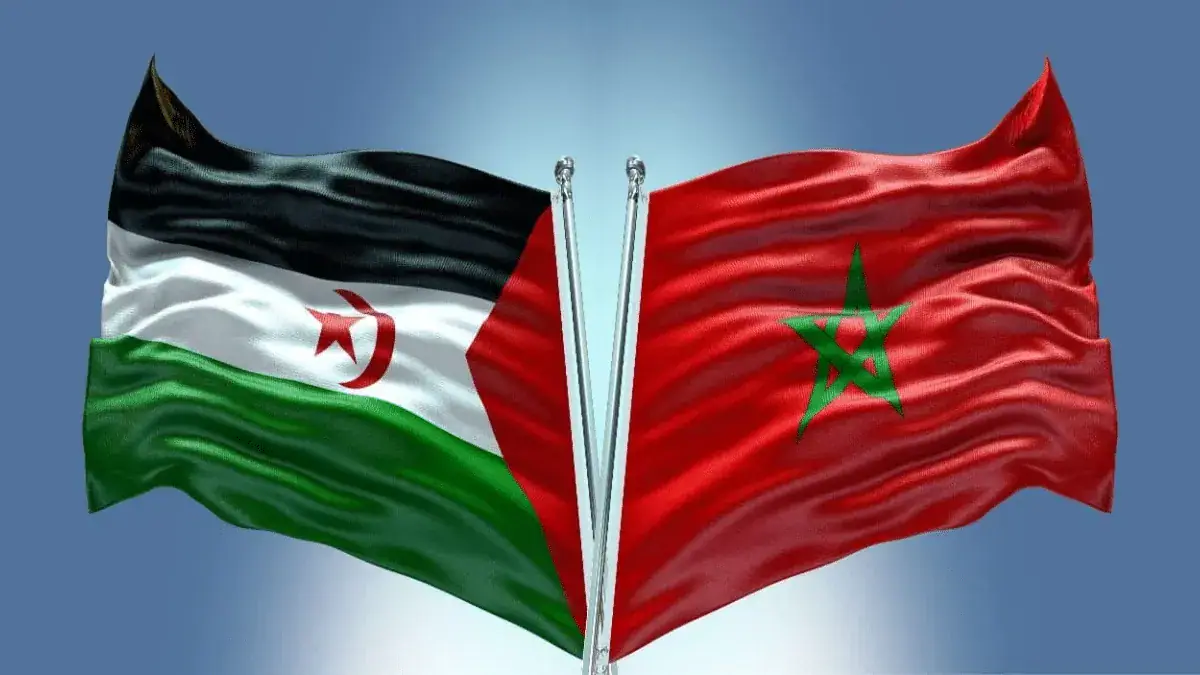
The Moroccan government is set to formalize its new doctrine on Western Sahara at a joint meeting of the country's parliament on November 2. This move comes after Russia vetoed a US resolution on the matter, dealing a blow to Rabat. The new doctrine aims to provide a national political foundation for the orientations announced by the Royal Cabinet. According to Article 68 of the 2011 Moroccan Constitution, the meeting will allow the Head of Government to present information on matters of national importance.
The new doctrine is based on three main orientations. The first orientation involves politically endorsing the end of the MINURSO mission and the departure of its personnel and equipment. This aims to put an end to the internationalization of the conflict and eliminate the presence of MINURSO, which has become an institutional and physical witness to the unresolved status of Western Sahara. The presence of MINURSO on the territory serves as a concrete reminder of the internationally unresolved status of Western Sahara and the lack of UN recognition of Moroccan sovereignty over the territory.
The second orientation seeks to redefine the role of the Security Council and the modalities of the political process. Morocco's ideal is to have the Western Sahara question removed from the Security Council's agenda, as well as the end of periodic follow-up mechanisms, including reports from the Secretary-General and consultations on the matter. The reference to a "profound transformation of parameters" reflects Rabat's desire to not only modify the modalities of dispute resolution but also dismantle the UN institutional framework that keeps the file open.
The third orientation concerns Morocco's relationship with its international commitments, including the 1991 ceasefire agreements and the 1997 military agreement No. 1. While Moroccan officials assert that the ceasefire remains a political and legal commitment of the Kingdom, regardless of the expiration of the MINURSO mandate, this remains to be verified in practice on the ground. The consequences of the MINURSO's disappearance, particularly in terms of security, remain absent from official announcements.
A key question remains unaddressed: the security consequences of the MINURSO's disappearance. The risk of a resumption of hostilities, as well as the possibility of a modification of the Moroccan military device beyond the sand wall, requires careful examination. The parliamentary meeting will allow for an assessment of whether Rabat intends to publicly assume these implications or prioritize an exclusively political and diplomatic reading of its new strategy.
Moroccan Foreign Minister Nasser Bourita acknowledged that the expiration of the MINURSO mandate does not mean the closure of the political file or the loss of competence of the Security Council on the Western Sahara question. The new doctrine's implications and potential outcomes will be closely watched by various stakeholders, including the international community and the parties involved in the conflict.
The Moroccan government's new doctrine on Western Sahara marks a significant development in the country's approach to the long-standing conflict. As the situation unfolds, it remains to be seen how the various stakeholders will react to the new orientations and what consequences will arise from the disappearance of MINURSO.
Key points
- The new doctrine includes three key pillars: ending the MINURSO mission, redefining the Security Council's role, and reevaluating Morocco's international commitments.