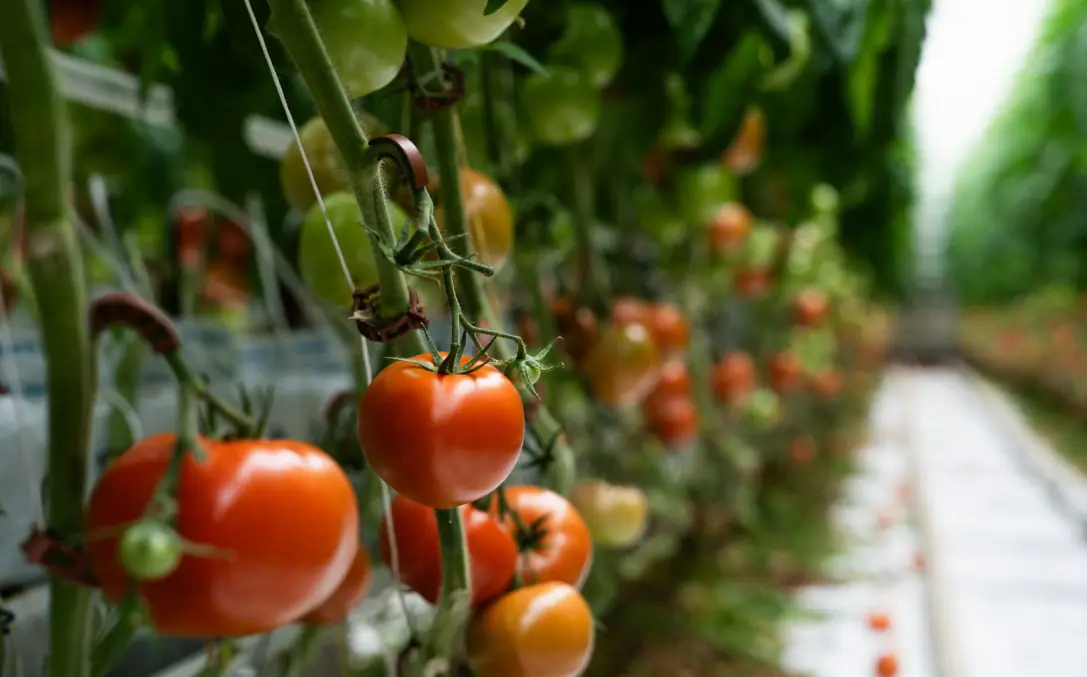
The price of tomatoes in Morocco has begun to decline, with some retailers selling at 13-15 dirhams per kilogram, down from 17-18 dirhams. This decrease comes after the government suspended new licenses for tomato exports to Africa, a move aimed at prioritizing domestic supply and alleviating pressure on prices. The suspension, announced on November 5, does not affect existing export licenses or exports to European markets.
The government's decision was made in response to rising tomato prices, which reached 17-18 dirhams per kilogram in some stores. The minister delegate for foreign trade, Omar Hejira, announced on November 8 that new licenses for exports to Africa would be reinstated the following week, subject to close monitoring. The goal is to adjust export volumes to match domestic market availability and prices while preserving African market access.
The impact of the suspension on prices remains to be seen, with some experts cautioning that the relationship between the two is not straightforward. Prices are influenced by various factors, including harvest yields, product quality, and transportation costs. To assess the effectiveness of the government's intervention, it will be necessary to track price trends in multiple cities and monitor wholesale prices over time.
Tomato production in Morocco's Souss-Massa region, a major producer of early tomatoes, has been affected by cooler temperatures and disease. Producers cite rising costs, including energy and agricultural inputs, as contributing to supply constraints. Export markets help offset these costs and maintain profitability for farmers, highlighting the need for a balanced approach that addresses both domestic and export demands.
The significant gap between wholesale and retail prices has raised questions about the distribution of costs and margins along the supply chain. While some costs, such as transportation and storage, are legitimate, large disparities suggest a need for greater transparency. Without precise data on costs, margins, and volumes, it is premature to attribute price increases to speculation or excessive intermediation.
The government's temporary suspension of new export licenses may redirect some supply to the domestic market, but it does not guarantee a sustained decrease in wholesale prices or their full transmission to retailers. Close monitoring of prices, volumes, and targeted controls in cases of anomalies are necessary to ensure a stable and transparent market.
Morocco faces a challenge in balancing domestic supply with export commitments, as agricultural exports generate significant revenue and support many farms. The current approach aims to reconcile these competing demands without disrupting existing trade flows. Its success will depend on the government's ability to adapt export authorizations to reflect actual market availability and provide sufficient visibility to producers and exporters.
Key points
- The Moroccan government has suspended new tomato export licenses to Africa to prioritize domestic supply and curb rising prices.
- The suspension is temporary and targeted, not affecting existing export licenses or exports to European markets.
- The impact of the suspension on prices remains to be seen, with experts calling for close monitoring of market trends.