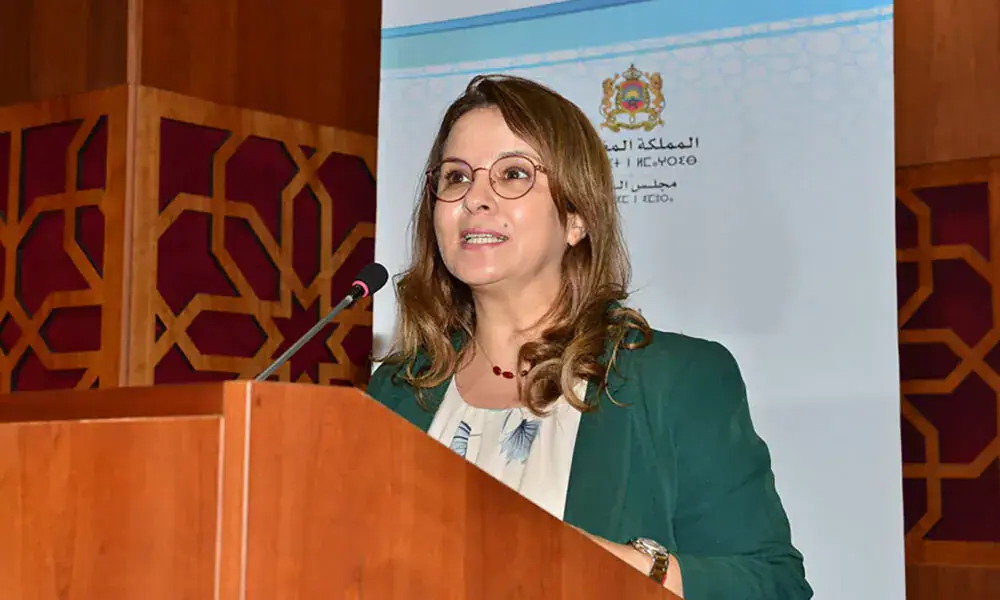
Moroccan Minister of Energy, Mines, and Sustainable Development Charafat Afailal presented the country's advancements in climate adaptation and resilience at COP31 in Antalya, Turkey. She highlighted Morocco's integration of climate issues into national development policies and mobilization of internal financial resources to support this transition. Afailal spoke at the "Baku High-Level Dialogue on Climate Adaptation," where she explained Morocco's approach based on the National Strategic Adaptation Plan.
The National Strategic Adaptation Plan is part of Morocco's National Sustainable Development Strategy and sectoral strategies, including those for water, agriculture, and forests. The plan currently comprises 80 sectoral objectives and 107 projects to be implemented by 2035. Afailal noted that these commitments are inscribed in the national multi-year budget framework, with nearly 90% of climate adaptation funding coming from national resources.
Afailal emphasized that Morocco's climate policies are nationally owned, but the country still requires complementary international financial support. She called for increased international financing and simplified access to funds, particularly for developing countries and vulnerable communities. The minister advocated for more public and predictable funding, prioritizing grants, and establishing a credible trajectory to triple adaptation financing by 2035.
At the territorial level, Morocco's 12 regions have climate plans, including five regional plans dedicated to adaptation and resilient development. These plans were developed participatory, involving local actors, women, and youth. Afailal also highlighted efforts to strengthen synergies between climate adaptation and disaster risk reduction.
The minister stressed the need for direct access to the Green Climate Fund and the Adaptation Fund, emphasizing that national efforts alone cannot bridge the financing gap for climate commitments. Participants at the dialogue called for accelerating the implementation of national plans and strengthening the resilience of societies and economies, particularly in developing countries.
The Baku High-Level Dialogue aims to prioritize climate adaptation in political, economic, and development agendas, supporting the implementation of the UAE Framework for Global Climate Resilience and national adaptation plans. COP31, taking place until November 20, brings together heads of state, ministers, international institution representatives, and public and private sector actors to enhance multilateral cooperation.
The conference seeks to translate climate commitments into concrete actions and measures to address the consequences of climate change. Morocco's experience in climate adaptation and resilience is seen as a valuable example for other countries, particularly in the context of the country's efforts to become a leader in the transition to renewable energy.
Key points
- Morocco has made significant progress in integrating climate issues into its national development policies and mobilizing internal financial resources to support climate adaptation.