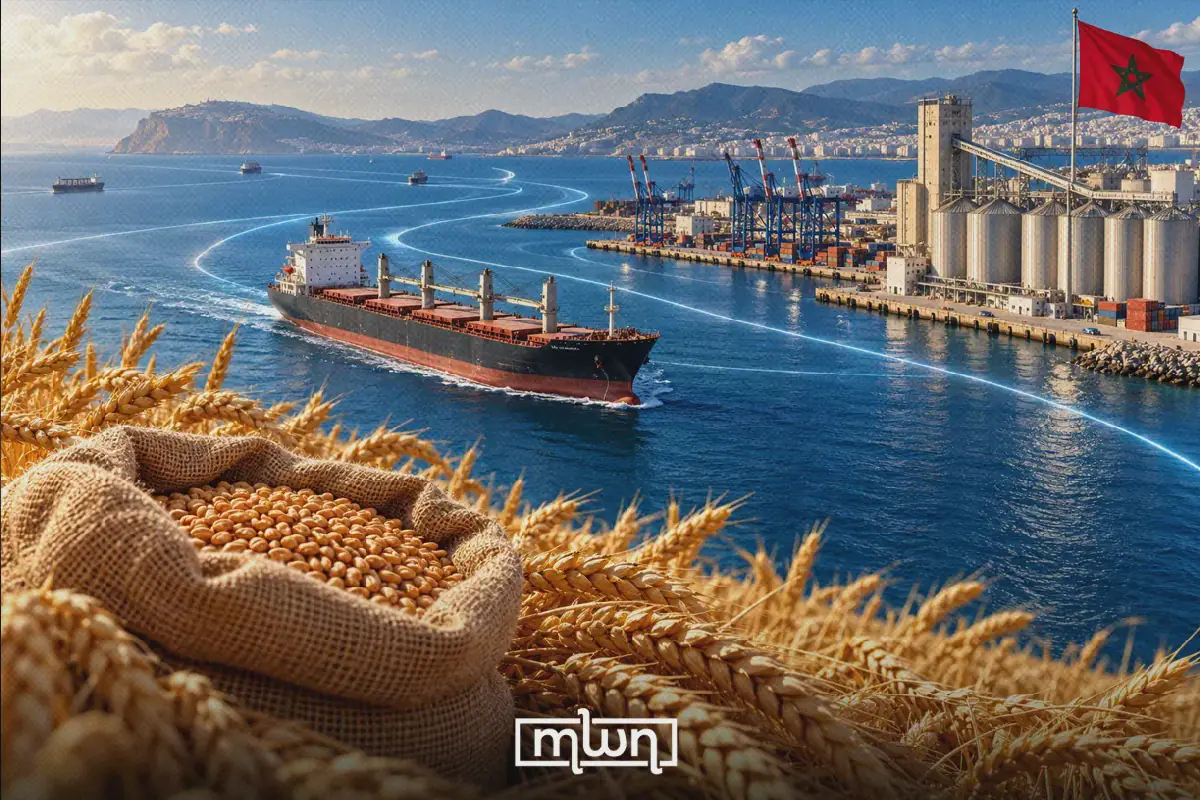
Morocco's food supply chains depend on reliable transport networks, storage facilities, and resilient trade routes across the Mediterranean. Disruptions to maritime trade can make decisions made thousands of miles away felt in local markets. A shipment held at a port, an unexpected insurance charge, or a shortage of equipment for a cold-storage facility can ripple through the supply chain and ultimately affect the price of everyday groceries.
The UAE and Greece recently announced 18 memoranda of understanding, agreements, and business partnerships worth €12.75 billion, covering ports, transport, digital infrastructure, energy, and food security. The UAE also declared an intention to commit an additional €15 billion in Greece through an existing investment initiative. These investments raise questions about the potential benefits for countries like Morocco, which must keep essential goods moving.
Food security in Morocco depends on more than domestic production; it also requires reliable storage, transparent shipping schedules, refrigeration, affordable financing, and access to alternative supply routes. Domestic production remains fundamental, but farms and processors do not operate in isolation from energy prices, transport availability, and the equipment used to preserve food. A disruption at one stage can undermine the value created across the entire chain.
Moroccan businesses can learn from the wider push toward connected logistics by improving supplier verification, documenting alternative transport arrangements, and training people who understand both the physical cargo and the software controlling its journey. Ports, logistics businesses, insurers, and agricultural cooperatives can each contribute to that effort. This can help Morocco develop practical alternatives to mitigate disruptions in the supply chain.
The relevance of the UAE-Greece agreements to Morocco should be assessed through practical questions. Will regional logistics networks become more dependable? Will small exporters gain predictable access to services? Can food operators detect emerging disruptions earlier? Will the people responsible for delivering essential supplies have clear authority to respond? These questions should guide Morocco's approach to Mediterranean economic cooperation.
The objective of Mediterranean economic cooperation should not be to pursue connectivity for its own sake, but to ensure that new infrastructure and commercial partnerships produce tangible benefits for producers, businesses, and consumers. The strongest Mediterranean partnership is not necessarily the one with the largest headline; it is the one that leaves fewer producers, traders, and families exposed when the normal route stops working.
Ultimately, the success of Morocco's food security efforts will depend on its ability to create resilient supply chains that can withstand disruptions. By learning from investments in other countries and improving its own logistics and infrastructure, Morocco can ensure a more stable food supply and better protect its producers, businesses, and consumers.
Key points
- Morocco's food security relies on resilient supply chains, not just domestic production.
- The UAE-Greece investment deals cover sectors including ports, transport, and food security.
- Morocco should assess the relevance of Mediterranean investments through practical questions about their impact on its food supply chains.