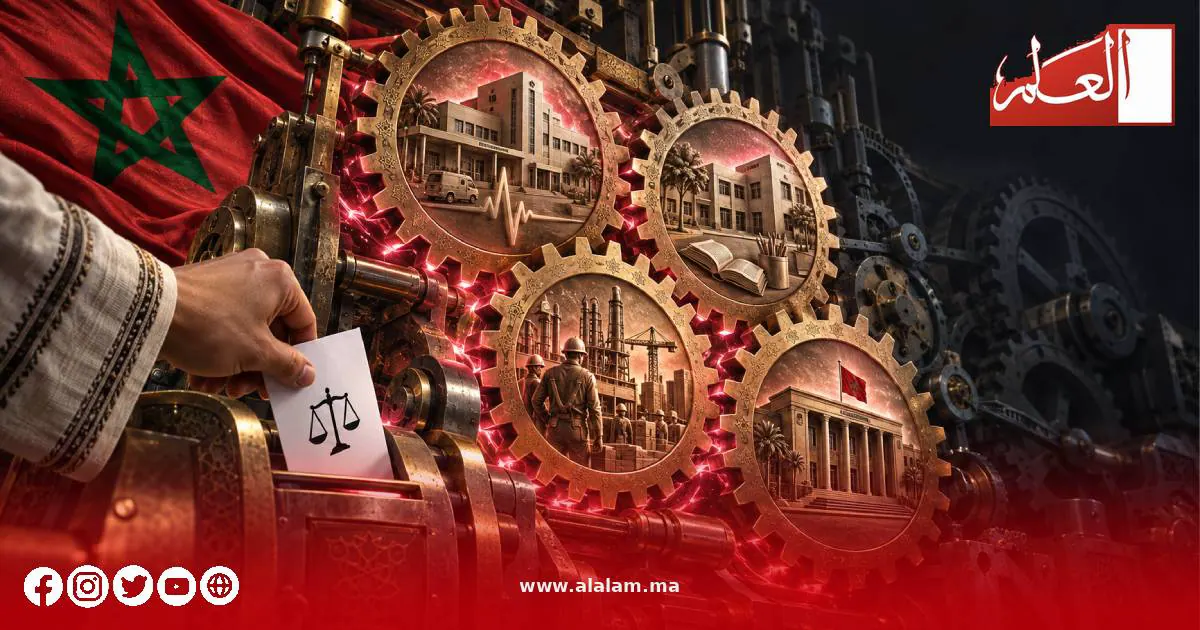
Moroccans are set to vote on September 23, marking a crucial moment in the country's democratic process. The election campaign, which lasted over two weeks, has seen multiple political parties present their programs and engage with voters. The campaign has been notable for its relative peacefulness, with some isolated incidents of verbal violence and accusations. Voters have been presented with a range of policy proposals and programs, reflecting the diversity of the Moroccan society.
The election campaign has highlighted the diversity of Moroccan society, with various parties presenting distinct policy proposals. The campaign has also seen a significant level of engagement from citizens, who are keen to shape the country's future. The voting process is seen as a critical moment in Morocco's democratic development, with the participation rate expected to have a significant impact on the country's political landscape. A high turnout is seen as essential for the legitimacy of the electoral process.
The Independent Party, also known as the Party of Independence, has been actively campaigning, with its program focusing on addressing the country's challenges and promoting development. The party's program includes proposals for improving healthcare, education, and employment opportunities, as well as promoting economic growth and social justice. The party's leaders have emphasized the importance of citizen participation in the electoral process and the need for a strong and stable government.
The electoral process has been overseen by the relevant authorities, who have been working to ensure a smooth and transparent voting process. The authorities have also been working to address any concerns or issues that may arise during the campaign and voting period. The voting process is expected to be closely monitored, with domestic and international observers present to ensure the integrity of the process.
The outcome of the election is expected to have significant implications for Morocco's future, with the winning party or coalition set to shape the country's policies and direction. The election is also seen as a test of Morocco's democratic institutions and its ability to manage a peaceful and transparent transfer of power. The country's international partners are closely watching the electoral process, which is seen as a critical moment in Morocco's relations with the international community.
The Independent Party has emphasized the importance of citizen participation in the electoral process, with its leaders urging voters to turn out in large numbers. The party has also highlighted its commitment to promoting transparency and accountability in government, as well as its focus on addressing the country's economic and social challenges. The party's program has been presented as a comprehensive and coherent vision for Morocco's future.
The voting process on September 23 will mark a critical moment in Morocco's democratic development, with the country's future direction set to be determined by the outcome. The election has been seen as a significant moment in the country's history, with the participation rate and the outcome expected to have far-reaching implications for Morocco's politics, economy, and society. The country's leaders have emphasized the importance of a peaceful and transparent electoral process.
Key points
- The Moroccan election on September 23 will determine the country's future policies and leadership.
- The Independent Party has presented a comprehensive program focusing on addressing the country's challenges and promoting development.
- A high turnout is seen as essential for the legitimacy of the electoral process and Morocco's democratic development.