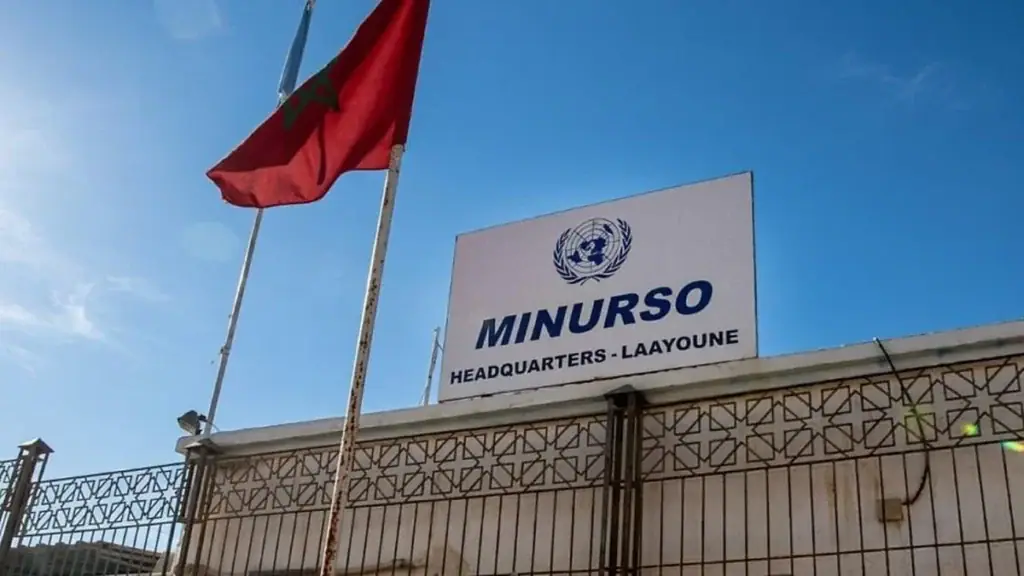
The recent UN Security Council vote on the MINURSO mission in Morocco has sparked varied reactions. While some media outlets in Algeria and supporters of the Polisario Front have hailed Russia's veto of the US draft resolution as a diplomatic victory, a closer look reveals a more complex situation. The US draft resolution, which aimed to renew the MINURSO mandate with significant changes to its tasks and name, garnered 11 votes but was vetoed by Russia. A Russian counter-draft, proposing a one-year extension of the current mandate without substantial changes, secured only three votes.
The stalemate has led to the expiration of the MINURSO mission's mandate on October 31, 2026, without renewal. This development has been interpreted by Morocco as a strategic opportunity. A statement from the Royal Palace described the non-renewal of the MINURSO mandate as a significant step towards the definitive closure of the Moroccan Sahara issue within the UN. The Palace emphasized that the presence of the MINURSO mission in the southern regions of Morocco should come to an end in the coming days.
The Moroccan strategy appears to focus on transforming the crisis into an opportunity, leveraging the situation to serve its strategic interests. This approach involves redefining the management of the conflict and shifting towards a new phase. The Royal Palace statement highlighted the need to move beyond the current conflict management approach and transition to a new dynamic based on Morocco's autonomy initiative under Moroccan sovereignty.
The US position on the matter has been notable, with Ambassador to the UN Mike Waltz announcing that the US will work with the UN to ensure an orderly withdrawal of the MINURSO mission. This stance aligns with Morocco's call to move beyond the old formula for managing the conflict and adopt a new approach based on the transformations in the issue and Morocco's autonomy initiative.
Algeria and the Polisario Front have attempted to capitalize on the situation through media campaigns, portraying the veto as a victory for their stance. However, this narrative overlooks the fact that the Russian counter-draft also failed to gain sufficient support, securing only three votes. The outcome underscores a significant divergence within the Security Council regarding the future of MINURSO.
The Moroccan government has received backing from various political parties and civil society organizations. Several parties, including the National Rally of Independents, Authenticity and Modernity Party, and the Justice and Development Party, have expressed support for the Royal Palace's statement and reaffirmed their commitment to Morocco's territorial integrity.
The current developments mark a pivotal moment in Morocco's strategy to address the Sahara issue. By navigating the complexities of the UN Security Council and engaging in diplomatic efforts, Morocco aims to solidify its position and advance a solution based on its autonomy initiative under Moroccan sovereignty.
Key points
- Morocco views the non-renewal of the MINURSO mandate as a strategic opportunity to redefine the management of the Sahara conflict and shift towards a new phase based on its autonomy initiative.