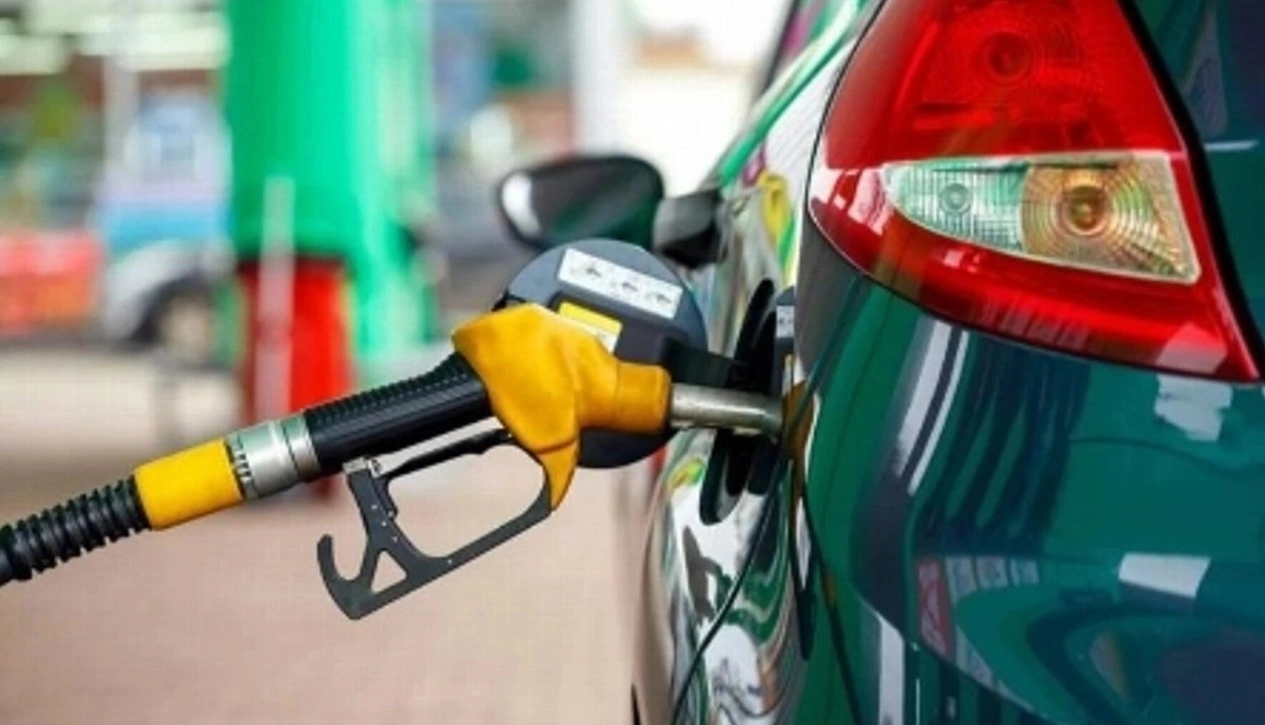
As of October 1, 2026, Morocco has witnessed a notable increase in fuel prices. Gasoil prices have surged by approximately 80 cents per liter, while petrol prices have risen by around 39 cents. This adjustment has pushed the price of gasoil past the 16 dirham per liter mark, standing at around 16.10 dirhams per liter in several regions. Petrol prices now hover around 15.60 dirhams per liter, with variations depending on the region and fuel station.
The impact of these price hikes is substantial for Moroccan consumers. Filling a 50-liter tank now costs approximately 805 dirhams, a 40-dirham increase from before the price revision. This rise affects not just individual motorists but also has a cascading effect on the economy, as fuel is a critical component for transportation of goods and services. The increase in fuel prices will likely lead to higher transportation costs, which may eventually be passed on to consumers.
This recent price hike is part of a larger trend. Since mid-July, gasoil prices have cumulatively increased by around 3.54 dirhams per liter. For an average consumer using 50 liters per month, this translates to an additional 177 dirhams per month. For those who travel longer distances, the financial burden will be even greater. The government has announced continued financial support for professional transporters to mitigate the impact on their operations and, by extension, on consumer prices.
The government's support for professional transporters aims to limit the repercussions of fuel price hikes on service tariffs and maintain the continuity of transport and supply chains. However, this measure also underscores the economic challenges posed by volatile fuel prices. The fuel price adjustments are largely influenced by international market trends, including geopolitical tensions and supply chain disruptions.
Morocco's reliance on international markets for refined petroleum products means that global market fluctuations directly affect domestic fuel prices. The country's pricing mechanism is based on reference prices from the northwest European market, specifically the Amsterdam-Rotterdam-Antwerp area. This linkage exposes Morocco to international market volatility, which is currently characterized by tensions and supply uncertainties.
While the global context, particularly the price of crude oil, plays a significant role in determining fuel prices, it is not the sole factor. Other elements, such as refined product quotations, procurement costs, transportation, storage, taxation, and commercial conditions, also influence the final price at the pump. The interplay of these factors makes the pricing mechanism complex and subject to various influences.
The coming weeks will be crucial in assessing the full impact of these fuel price hikes on transportation costs and consumer prices in Morocco. As the economy adjusts to the new fuel price reality, consumers and businesses alike will be keenly watching for any further increases and their implications on the cost of living and economic activity.
Key points
- The recent fuel price hikes in Morocco are attributed to global market trends and geopolitical tensions.
- The price of gasoil has surpassed 16 dirhams per liter, while petrol prices have also seen a significant increase.
- The government has announced continued support for professional transporters to mitigate the impact of fuel price hikes on their operations and consumer prices.