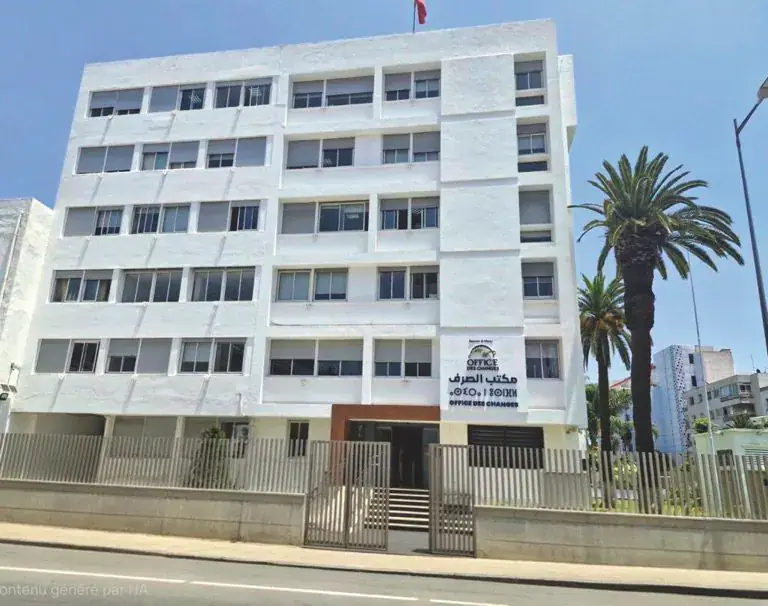
Morocco's commercial deficit has reached a record high of 283 billion dirhams (Mds DH), a 25% increase from 2025, according to the Office des Changes (OC). The deficit is attributed to a 15.8% rise in imports, which reached 618 Mds DH, and a 3.5-point decline in the coverage rate of imports by exports, which fell to 54.2%. This situation has led to a decline in the value of the dirham, which has lost 6% against the dollar and 4% against the euro.
The increase in imports is largely due to a 32.6% rise in the energy bill, which reached 96 Mds DH, and a 19.3% increase in equipment goods, which reached 149 Mds DH. The price of sulfur, a key import for the phosphate industry, has doubled on the international market, contributing to the increased cost. The OC reports that the average import price of sulfur rose by 182% between January and July 2026.
Despite a rise in exports, which improved by 8.7% to 335 Mds DH, the growth rate is insufficient to offset the surge in imports. The automotive sector saw a 14.5% increase in exports, reaching 116 Mds DH, while the agriculture and agri-food sector rose by 8.3% to 65 Mds DH. The aerospace sector also performed well, with exports increasing by 21.5% to 23 Mds DH.
The services sector, however, showed a more positive trend, with imports rising by 12.6% to 111 Mds DH and exports increasing by 11.7% to 230 Mds DH. This resulted in a surplus of 118 Mds DH, a 13.4% increase from 2025. Tourist receipts also rose by 9.7% to 98 Mds DH, and transfers by Moroccan expatriates increased by 9% to 89 Mds DH.
The decline of the dirham is linked to the global economic context, particularly the rise in US interest rates, which has strengthened the dollar. The US Federal Reserve raised its key interest rate to 5% on September 16, 2026, while the European Central Bank increased its rate to around 2.5% on September 10, 2026. Bank Al-Maghrib, Morocco's central bank, opted to maintain its key rate at 2.25% on September 22, 2026.
The impact of the dirham's decline is significant, as Morocco is a largely import-dependent economy. The country's import bill is expected to increase, putting pressure on households and businesses. However, the central bank's reserves, which stand at 5-6 months of imports, provide a cushion against potential shocks.
The outlook for the dirham is uncertain, with forecasts suggesting a further decline against major currencies. According to Bank Al-Maghrib, the dirham's effective exchange rate is expected to depreciate by 4.1% in 2026 and 2% in 2027. Nevertheless, experts believe that the dirham is not in danger, as the country's foreign exchange reserves provide a sufficient safety net.
Key points
- Morocco's trade deficit hits record high of 283 Mds DH, a 25% increase from 2025.
- The dirham declines by 6% against the dollar and 4% against the euro amid global economic tensions.
- The country's foreign exchange reserves stand at 5-6 months of imports, providing a cushion against potential shocks.