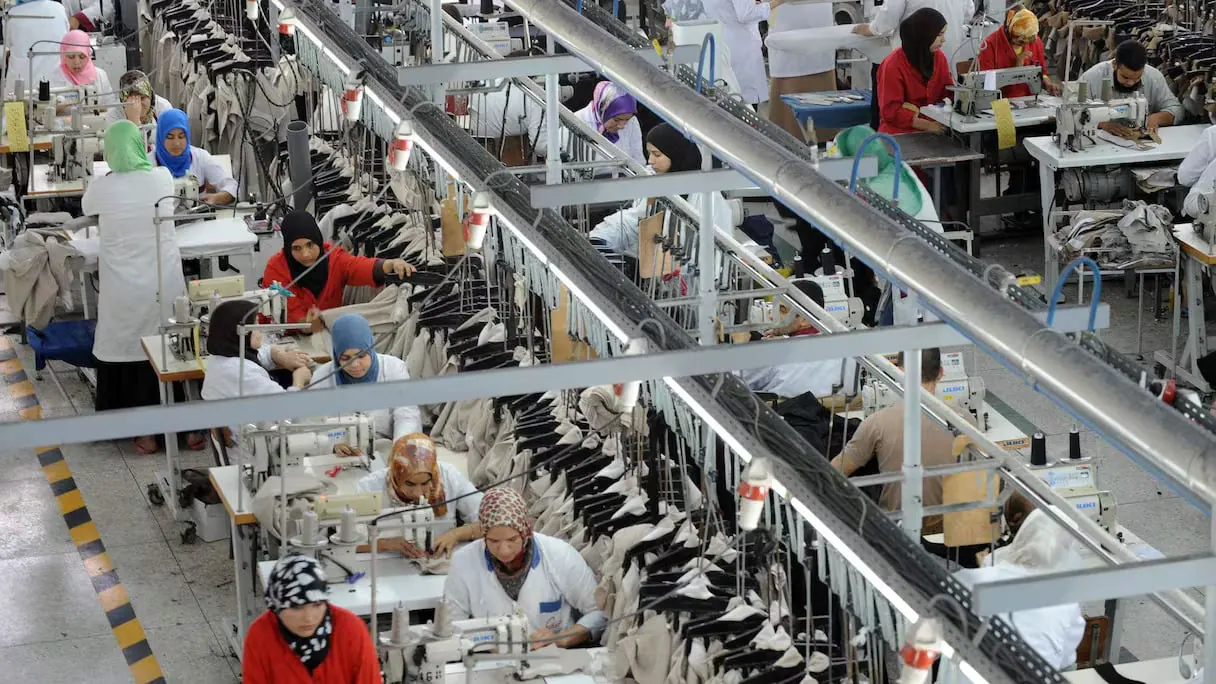
The Moroccan textile industry is preparing for the introduction of the European Union's digital product passport, which is expected to come into effect between 2028 and 2029. This move is part of the EU's efforts to promote sustainable products and reduce waste. The digital passport will provide information on the product's environmental impact, including its carbon footprint and water consumption.
The EU's regulation on eco-design for sustainable products, which came into force in July 2024, requires manufacturers to integrate sustainability, repairability, and recyclability criteria into their products from the design stage. The digital product passport is a key instrument for verifying compliance with these obligations. It will be accessible via a QR code and will centralize information on the supply chain, raw materials used, and the product's environmental impact.
The implementation of the digital product passport poses significant challenges for Morocco's textile industry, which is composed mainly of small and medium-sized enterprises (SMEs) working in subcontracting. Many of these enterprises lack the necessary information systems to document the origin of their products, the composition of dyes, or water consumption in their workshops. They also face difficulties in obtaining information from their often Asian suppliers, who are not subject to the same requirements.
To address these challenges, the Moroccan Association of Textile and Clothing Industries, with the support of the Swiss Import Promotion Programme, has launched a preparation programme. This programme includes an operational guide for compliance, self-assessment tools adapted to local capacities, and sectoral awareness workshops. The goal is to help Moroccan textile companies prepare for the new EU regulations and avoid being excluded from the European market.
The European Union is the main market for Moroccan textile exports, and non-compliance with the new regulations could result in exclusion from the market rather than just a penalty. On the other hand, anticipating the new requirements could provide a competitive advantage for Moroccan companies compared to their competitors, who may be less integrated into European supply chains.
The digital product passport is expected to promote transparency and accountability throughout the supply chain. It will provide consumers with information on the environmental impact of the products they buy, enabling them to make more informed choices. The Moroccan textile industry is working to adapt to these new requirements and capitalize on the opportunities they present.
The implementation of the digital product passport is part of a broader effort to promote sustainable consumption and production patterns. The EU's eco-design regulation aims to reduce waste and emissions associated with products throughout their lifecycle. By 2027, a sectoral regulation is expected to be adopted, which will provide more specific guidelines for the textile industry.
Key points
- The EU's digital product passport will be implemented by 2028-2029.
- The passport will provide information on a product's environmental impact, including its carbon footprint and water consumption.
- Morocco's textile industry is working to adapt to the new requirements and capitalize on the opportunities they present.