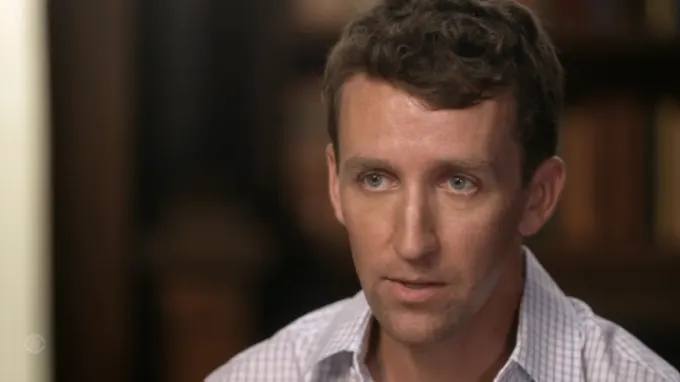
Patrick Clancy, the father of three children killed by their mother Lindsay Clancy, has spoken out about his decision to forgive her. In a televised interview with CBS News' 60 Minutes, Patrick explained that he believed Lindsay's mental illness was responsible for the deaths of their children. He rejected descriptions of Lindsay as a "Killer Mom," "Baby Murderer," and "Monster," saying they were inaccurate. Patrick's interview came after Lindsay's trial ended in a mistrial due to a hung jury.
The trial, which ended on September 4, had a jury that was unable to reach a unanimous decision on whether Lindsay was criminally responsible for the killings. According to reports, 11 of the 12 jurors were prepared to find Lindsay not criminally responsible due to her postpartum psychosis, while one juror disagreed. The defence had argued that Lindsay's mental illness meant she should not be held criminally responsible, while the prosecution argued otherwise. The court is expected to consider whether Lindsay will face a retrial.
On January 24, 2023, Lindsay attacked her three children, Cora, Dawson, and eight-month-old Callan, at their Massachusetts home. Patrick discovered the children in the basement after finding Lindsay in the backyard. Cora and Dawson died at the scene, while Callan survived for four days in Boston Children's Hospital. Patrick described the emotional pain of losing his children and the difficult process of coming to terms with what happened.
During his interview, Patrick spoke about his own mental state following the deaths. He revealed that there was a time when he didn't think he would live to see his 35th birthday and was completely fine with it. However, he later sought help from survivors and experts in postpartum mental health to understand what had happened. Patrick emphasized the importance of addressing perinatal mental health and raising awareness about the issue.
Patrick also addressed the online conspiracy theories that emerged during Lindsay's trial, which included claims about his involvement in the deaths. He described these theories as "deeply harmful" and a distraction from the real issue of perinatal mental health. Patrick emphasized that the focus should be on supporting those affected by mental illness rather than speculating about the circumstances of the tragedy.
When asked if Lindsay had ever asked for his forgiveness, Patrick replied that she had not. However, he chose to forgive her anyway, saying it was necessary for his own ability to live with what happened. Patrick explained that forgiveness was a process that allowed him to heal and move forward. He expressed gratitude for the time he had with his children, particularly Callan, who survived for four days.
The case has garnered significant attention due to its tragic nature and the complexities surrounding Lindsay's mental health. Patrick's decision to forgive Lindsay has been seen as a remarkable act of compassion. As the court considers Lindsay's future, Patrick's focus remains on raising awareness about perinatal mental health and supporting those affected by similar tragedies. The community continues to grapple with the aftermath of the tragedy.
Key points
- Patrick Clancy forgave his wife Lindsay despite her never asking for forgiveness.
- Lindsay's trial ended in a mistrial due to a hung jury.
- Patrick emphasized the importance of addressing perinatal mental health.