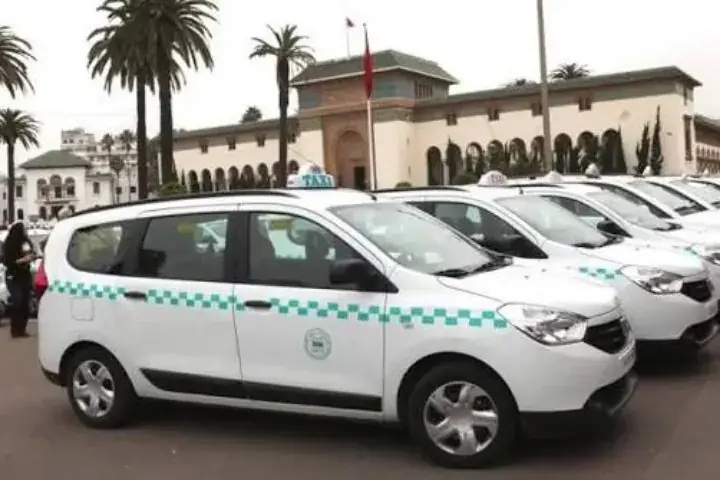
Morocco's taxi sector is experiencing a surge in tensions as drivers face increasing fuel prices and react with unilateral fare hikes. The situation escalated in several cities, prompting authorities to withdraw "trust licenses" from some drivers. This move has sparked outrage among drivers, who are now calling for protests and negotiations with the government. The crisis has left many citizens caught in the middle, struggling with the rising costs of transportation.
The protests began after the government failed to address the drivers' concerns about the rising fuel prices. With gas prices exceeding 17 dirhams per liter, drivers claim they can no longer make a living due to the increased costs of maintenance, spare parts, and insurance. The National Union of Moroccan Taxi Drivers, affiliated with the General Confederation of Labor, has announced plans to organize a national protest on Tuesday. The union argues that the government's support system for drivers is flawed and that the subsidies do not reach those who need them most.
In response to the crisis, the government has stated that it will not tolerate any illegal fare hikes. Spokesperson Samir Belafqih emphasized that the state has implemented a direct support mechanism for taxi drivers to mitigate the impact of fuel price fluctuations. However, drivers argue that this support is insufficient and irregular, leaving them with no choice but to raise their fares. The situation has sparked concerns about the impact on citizens, who are already struggling with the rising cost of living.
The crisis has sparked a heated debate about the role of the government in supporting small businesses and the impact of fuel price hikes on the economy. Some citizens have expressed understanding for the drivers' plight, while others are worried about the impact on their own livelihoods. The government has urged drivers to refrain from taking unilateral action and to engage in dialogue to find a solution. However, with tensions running high, it remains to be seen whether a resolution can be reached.
The protests have also raised concerns about the potential for social unrest. With the cost of living already high, many citizens are worried about the impact of further fare hikes on their daily lives. The government has emphasized its commitment to finding a solution that balances the needs of drivers with the needs of citizens. However, with the situation on the ground deteriorating, it is unclear whether the authorities can find a way to defuse the crisis.
The taxi sector is a vital part of Morocco's economy, providing employment for thousands of people. The crisis has highlighted the need for a more sustainable solution to the challenges facing the sector. The government has announced plans to review the support system for drivers and to explore new solutions to the challenges facing the sector. However, with the situation on the ground volatile, it remains to be seen whether these efforts will be enough to resolve the crisis.
As the situation continues to unfold, citizens are bracing themselves for further disruptions. The protests have already had an impact on the daily lives of many Moroccans, with some taxi services suspended or operating at reduced capacity. With the negotiations between drivers and authorities ongoing, it remains to be seen whether a resolution can be reached that satisfies all parties. One thing is certain, however: the crisis has highlighted the need for a more sustainable solution to the challenges facing Morocco's taxi sector.
Key points
- The protests were sparked by a surge in fuel prices, which have exceeded 17 dirhams per liter.
- The government has withdrawn "trust licenses" from some drivers who have raised their fares unilaterally.
- The crisis has sparked concerns about the impact on citizens, who are already struggling with the rising cost of living.