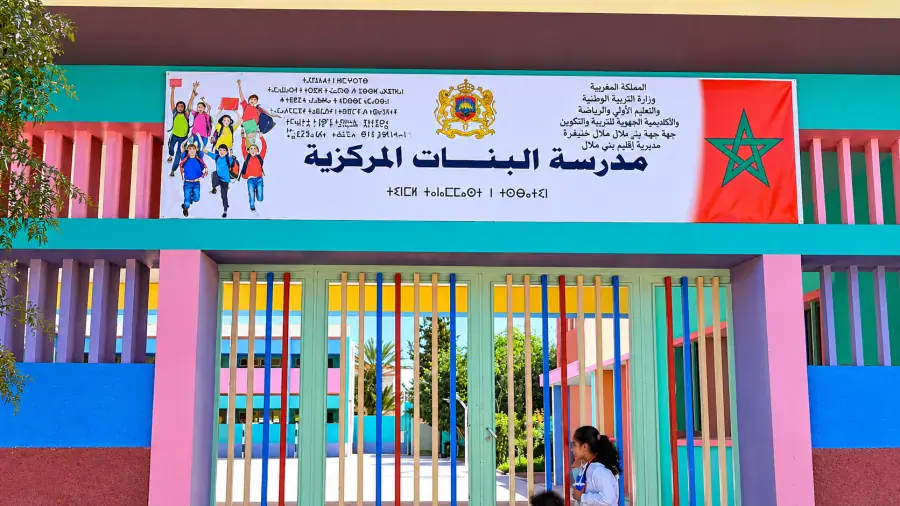
In Morocco, students attend segregated schools from a young age, with boys and girls separated into different classrooms and often socializing little with each other. This separation can have long-lasting effects, critics argue, as it can create a complex and unequal society. The practice of separating students by gender dates back to the French colonial era and was initially intended as a temporary measure to encourage conservative families to educate their daughters.
Despite Morocco gaining independence decades ago, the country's education system still maintains this segregation. Many argue that this policy is out of touch with the country's progress in promoting women's rights and equality. Women in Morocco have made significant strides in recent years, with many holding prominent positions in fields such as law, medicine, and engineering. However, critics argue that the segregated education system undermines these advances.
The issue has sparked debate, with some calling for the government to merge the schools and promote co-education. They argue that this would help to break down social barriers and promote greater understanding and equality between men and women. However, others argue that the current system is necessary to protect conservative values and prevent social problems.
Nabil Benabdallah, the current Minister of National Education, has been criticized for not doing enough to address the issue. As the General Secretary of the Progressive and Socialist Party, Benabdallah has often spoken about the importance of modernization, enlightenment, and defending women's rights. However, critics argue that he has not taken concrete steps to address the issue of segregated schools.
Some argue that merging the schools would not require significant investment and could have a positive impact on Moroccan society. By promoting co-education, the government could help to create a more equal and inclusive society, where men and women have greater opportunities to interact and understand each other. This, in turn, could have long-term benefits for the country's social and economic development.
The issue of segregated schools is not just about education policy; it also reflects broader societal attitudes towards women and equality. Morocco has made significant progress in recent years in promoting women's rights, but there is still much work to be done. By addressing the issue of segregated schools, the government could help to promote a more equal and inclusive society.
Ultimately, the decision on whether to merge the schools will depend on the government's priorities and values. However, critics argue that maintaining the current system is a missed opportunity to promote greater equality and social progress in Morocco. As the country continues to evolve and develop, it remains to be seen whether the government will take steps to address this issue.
Key points
- Critics argue that Morocco's segregated schools perpetuate inequality and hinder social progress.