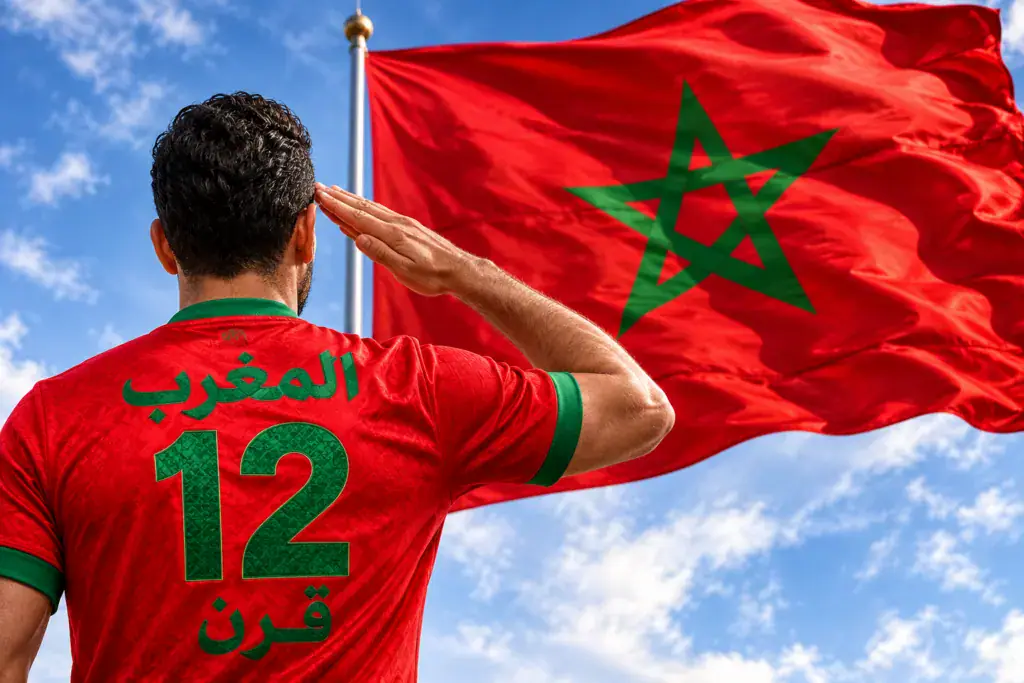
Morocco's emergence as a major football power has sent shockwaves throughout Africa, with the country's bid to host the 2030 World Cup solidifying its position as a regional leader. According to documents obtained by Al Ahdath Al Maghribia, European powers have expressed concerns about Morocco's growing influence, with Germany warning of the need to curb its ambitions to prevent it from surpassing Algeria. This development has significant implications for the balance of power in Africa.
The recent decision by the Court of Arbitration for Sport (CAS) to strip Morocco of a football title has been seen as an attempt to undermine the country's influence. Critics argue that the decision was influenced by external factors, with the president of the Senegalese Football Federation contacting the German judge just days before the ruling was made. This has fueled concerns that Morocco's success is being targeted by traditional European powers.
The struggle for influence between Morocco and traditional European powers is not limited to football. Morocco's growing regional clout has significant implications for the balance of power in Africa, with the country's influence extending beyond sports to include economic and diplomatic ties. According to experts, Morocco's success is a threat to traditional European powers, who fear losing their grip on the region.
The media has played a significant role in the campaign against Morocco, with some European outlets publishing articles and reports critical of the country. These attacks often take the form of human rights reports or studies from think tanks, which critics argue are designed to undermine Morocco's influence. However, Morocco's response has been to emphasize its commitment to human rights and its growing regional influence.
The debate over Morocco's influence has also sparked a wider discussion about the role of Algeria in the region. Critics argue that Algeria's attempts to undermine Morocco's influence are motivated by a desire to maintain its own regional dominance. However, experts argue that Algeria's efforts are unlikely to succeed, given Morocco's growing economic and diplomatic ties with other African countries.
The controversy surrounding Morocco's influence has significant implications for the country's future. As Morocco continues to grow in influence, it is likely to face increasing pressure from traditional European powers. However, experts argue that Morocco's commitment to human rights and its growing regional influence make it well-placed to resist these challenges.
In response to the challenges posed by traditional European powers, Morocco has emphasized its commitment to regional cooperation and diplomacy. The country's bid to host the 2030 World Cup is seen as a key part of this strategy, with Morocco seeking to use the tournament to showcase its growing influence and capabilities. As the country looks to the future, it is clear that its influence will continue to be felt across Africa.
Key points
- Morocco's growing influence in Africa has raised concerns among traditional European powers.
- The country's bid to host the 2030 World Cup has solidified its position as a regional leader.
- The controversy surrounding Morocco's influence has significant implications for the country's future.
Reporting sources
- مغرب النفس الطويل! · Al Ahdath Al Maghribia