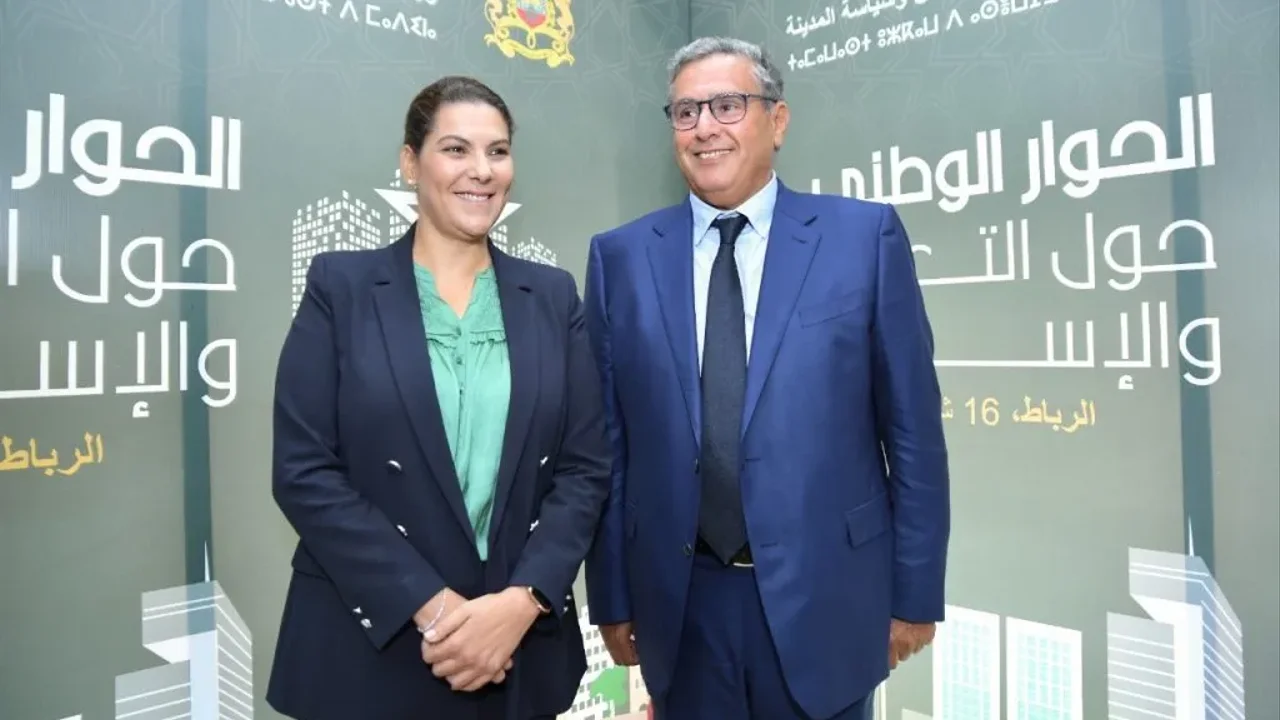
Morocco's recent elections have concluded, with several political parties emerging as key players in the country's new government. The Authenticity and Modernity Party (PAM) and the National Rally of Independents (RN) have taken center stage, with the PAM securing the most seats. According to Fatima Zahra Mansouri, the PAM's coordinator, the party is open to forming a coalition with other parties, including the RN.
The RN, led by Aziz Rabbah, has also expressed interest in forming a coalition with the PAM. Despite some tensions between the two parties during the election campaign, Mansouri has downplayed these differences, stating that they were merely a product of electioneering. The RN's second-place finish in the elections has positioned it as a key player in coalition talks.
The Independence Party, which has historically been a major player in Moroccan politics, appears likely to go into opposition. The party's leader, Abdelilah Benkirane, has stated that he will not participate in a coalition with the PAM or RN. This decision is seen as a strategic move, allowing the party to maintain its independence and critique the government from outside.
The Socialist Union of Popular Forces (USFP) and the Party of Justice and Development (PJD) are also expected to play key roles in the new government. The USFP has expressed interest in participating in a coalition, while the PJD has stated that it will go into opposition. The PJD's decision is seen as a reflection of its commitment to its ideological roots and its desire to differentiate itself from the government's policies.
Coalition talks are ongoing, with several parties negotiating to form a government. The PAM and RN are reportedly close to an agreement, with the USFP and other parties also involved in discussions. The outcome of these talks will determine the composition of Morocco's new government and the direction of the country's politics in the coming years.
The new government's agenda will likely focus on addressing Morocco's economic and social challenges. The country faces significant hurdles, including high unemployment and a need for economic diversification. The government's ability to address these challenges will depend on its ability to work effectively with various stakeholders and implement meaningful reforms.
The formation of Morocco's new government is a critical step in the country's democratic process. The outcome of coalition talks will have significant implications for the country's future, shaping its politics, economy, and society. As Morocco moves forward, its leaders will need to balance competing interests and priorities to build a stable and effective government.
Key points
- The PAM and RN are close to forming a coalition government.
- The Independence Party is likely to go into opposition.
- Coalition talks will determine the composition of Morocco's new government.