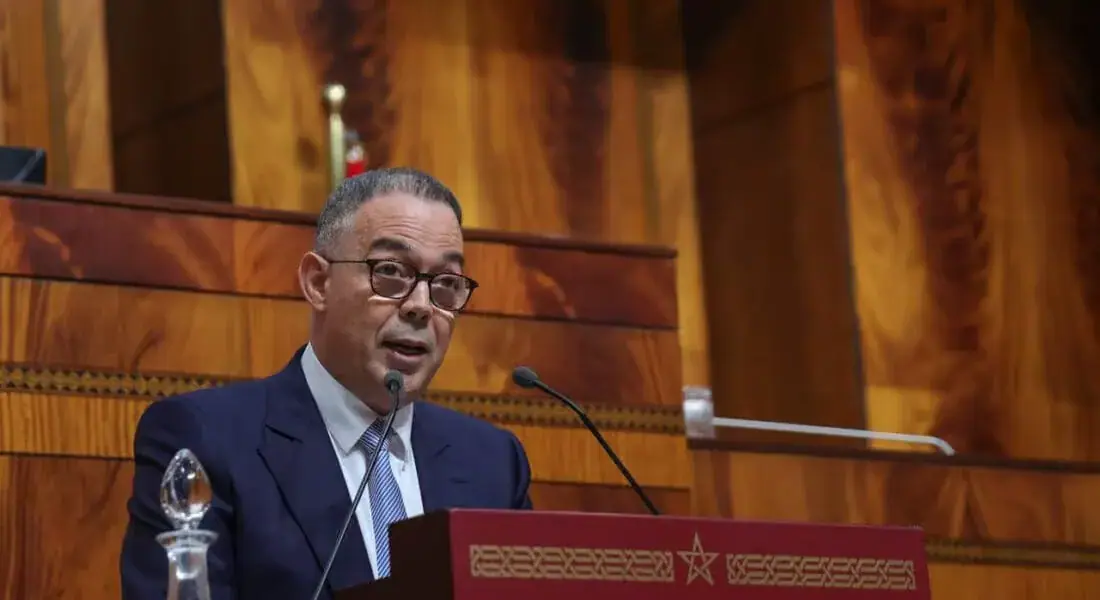
Morocco's Minister of Economy, Finance, and Public Performance, Fouzi Lekjaa, has emphasized the need for sustainable financing of the country's social priorities. Speaking at the House of Representatives on November 14, Lekjaa highlighted that additional revenue must be mobilized without increasing the tax burden on compliant employees and companies. He stressed that an effort of 62 billion dirhams will be dedicated to social priorities.
Lekjaa advocated for expanding the tax base, combating fraud, and gradually integrating informal activities into the formal economy. This approach aims to ensure equitable fiscal policies and alleviate unfair competition that harms compliant businesses and diminishes state resources. The minister cited the income tax reduction as an example of balancing public revenue mobilization with a more equitable distribution of tax burdens.
The integration of the informal sector is a crucial aspect of Morocco's strategy to boost public finances. Lekjaa noted that gradually incorporating informal activities into the formal economy requires facilitating the transition for affected operators. This can be achieved by simplifying administrative and tax obligations and implementing regimes tailored to the size of the activities.
Lekjaa also underscored the importance of facilitating access to financing, social protection, and markets for businesses and workers joining the formal sector. The goal is to increase the number of contributors to public policy financing while considering their capacity to contribute and allowing them to benefit from the rights associated with formalizing their activities.
According to Lekjaa, Morocco's tax revenue collection has shown remarkable growth, with a 11.7% increase to 313.6 billion dirhams in the first nine months of the year. He described this trend as positive and offering room for maneuver to support the state's financial commitments. However, Lekjaa cautioned against confusing recurrent revenue with conjunctural resources.
Lekjaa's proposals aim to address concerns raised during parliamentary debates regarding the resources needed to finance the government's social commitments. He emphasized that additional revenue mobilization should rely on broadening the economic base and improving tax collection, rather than increasing pressure on taxpayers already meeting their obligations.
The 2027 budget plan's success will depend on effective implementation of Lekjaa's proposals, including expanding the tax base and integrating the informal sector. The minister's approach seeks to promote fair competition, improve tax compliance, and enhance public revenue mobilization, ultimately supporting Morocco's social priorities and economic development.
Key points
- Morocco aims to increase tax revenue through expanding the tax base and integrating the informal sector.
- The government plans to dedicate 62 billion dirhams to social priorities in 2027.
- Tax revenue collection in Morocco rose by 11.7% to 313.6 billion dirhams in the first nine months of the year.