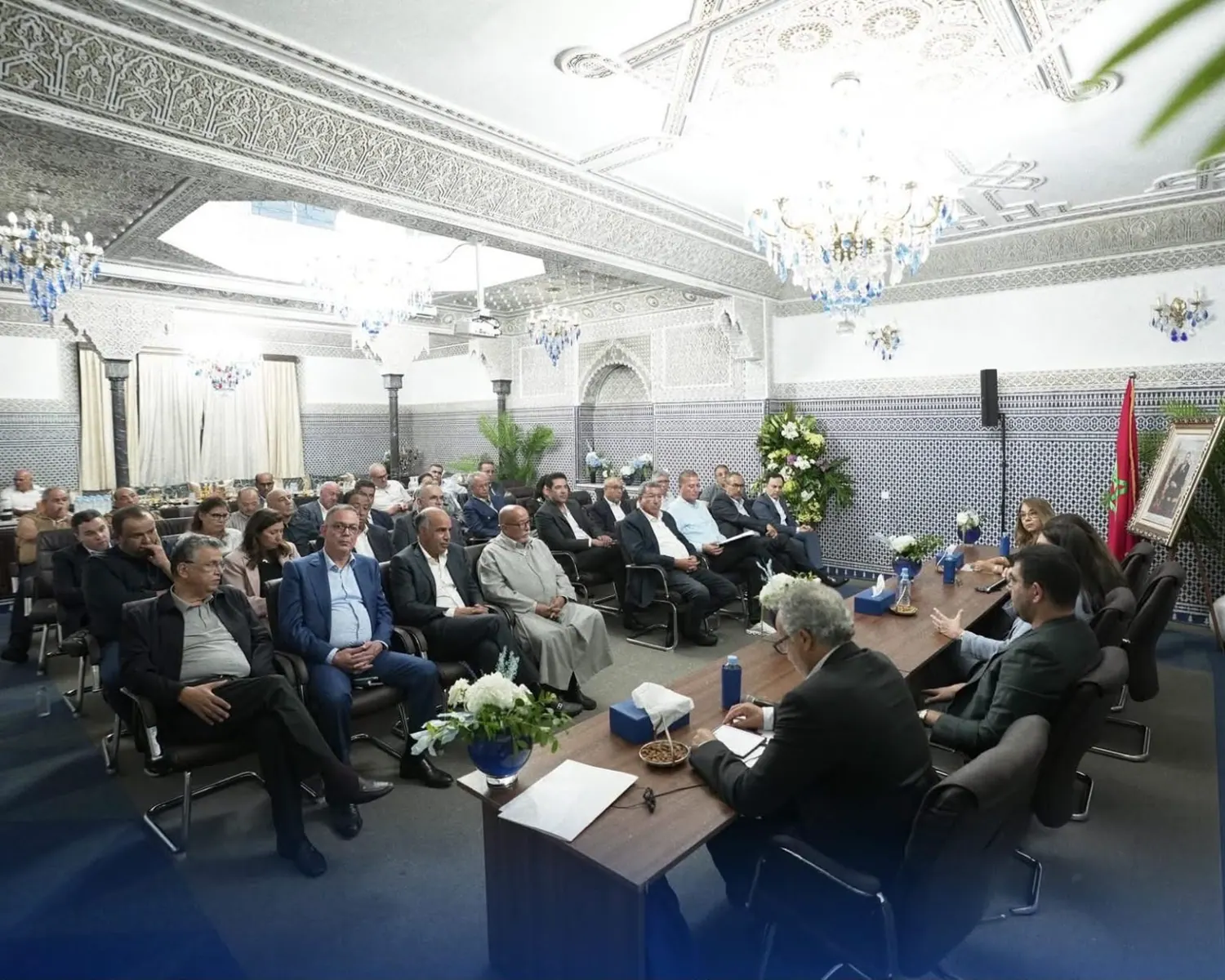
The Moroccan party PAM's political bureau has postponed discussions on potential coalitions, instead giving a four-member committee the mandate to continue negotiations. This committee, comprising Fatima Zahra Mansouri, Fouzi Lekjaâ, Abdel Latif Wahbi, and Ahmed Akchichene, will oversee talks that will determine the government's structure and allocation of ministerial portfolios. According to a source within the PAM, the party's national council will not make any direct decisions on coalitions during its meeting today.
The PAM's national council will instead grant a formal mandate to the four-member committee to continue and manage consultations. This move suggests that the party is taking a cautious approach to coalition talks, with the committee working behind the scenes to secure agreements. The source emphasized that the council's role will be limited to providing a mandate, rather than making key decisions on the party's alliances.
The PAM's decision to postpone coalition talks comes amid ongoing discussions on the formation of a new government. The party has expressed interest in participating in the government, but the final decision on coalitions will depend on the allocation of ministerial portfolios and leadership roles. According to the source, the party's leadership is keen to ensure that any coalition is based on a clear distribution of responsibilities and portfolios.
The PAM's move is seen as a strategic one, with the party seeking to maintain its independence and influence in the coalition talks. The party's national council will discuss the issue of coalition talks, but the final decision will rest with the four-member committee. This committee has been tasked with navigating the complex negotiations and securing a deal that works for all parties involved.
The delay in coalition talks has sparked speculation about the PAM's intentions and potential alliances. However, the source emphasized that the party's goal is to secure a coalition that is based on a clear understanding of roles and responsibilities. The PAM's leadership is keen to avoid being tied down to a specific coalition or alliance, instead preferring to maintain its flexibility and options.
The PAM's decision has also been influenced by the ongoing debate over the government's structure and the allocation of ministerial portfolios. The party is seeking to ensure that it secures key roles and responsibilities in any coalition, and is working to negotiate a deal that reflects its interests. The four-member committee has been tasked with navigating these complex negotiations and securing a deal that works for all parties.
The PAM's move has been seen as a positive step towards securing a stable and effective government in Morocco. The party's leadership is keen to ensure that any coalition is based on a clear understanding of roles and responsibilities, and is working to secure a deal that reflects the interests of all parties involved. The final decision on coalitions will depend on the outcome of the negotiations between the PAM and other parties.
Key points
- The PAM party has postponed coalition talks, giving a four-member committee the mandate to continue negotiations.
- The committee will oversee talks that will determine the government's structure and allocation of ministerial portfolios.
- The PAM's national council will not make any direct decisions on coalitions during its meeting today.